
The Tyne and Wear Metro is one of the most distinctive urban transport systems in the United Kingdom. Serving Newcastle upon Tyne, Gateshead, Sunderland, and surrounding areas, it combines elements of traditional heavy rail, light rail, and underground metro systems. Since opening in 1980, it has become an essential part of daily life in North East England. Its story is not just one of transport, but of industrial heritage, engineering innovation, and ongoing maintenance challenges.
Early Railway Origins
The roots of the Metro lie in the early railway age of the 19th century. Much of the infrastructure used today dates back to lines built between 1834 and 1882, including the historic Newcastle & North Shields Railway opened in 1839.
By the early 20th century, parts of this network were electrified using a 600V DC third-rail system known as the Tyneside Electrics, making it one of the earliest suburban electrified railways in the UK.
However, by the mid-20th century, many of these lines were in decline due to competition from cars and buses. The need for a modern, integrated transport system became increasingly clear.
Planning and Construction (1970s)
The concept of the Metro emerged in the late 1960s and early 1970s as part of a broader strategy to revitalise public transport in the region. Construction officially began in 1973–1974, making it the largest urban transport project in Britain at the time.
One of the defining features of the Metro was its hybrid approach:
- Reuse of existing heavy rail lines
- Conversion to light rail operation
- Construction of new tunnels through city centres
Approximately 6 km of new tunnels were built beneath Newcastle and Gateshead, linking older surface lines into a coherent rapid transit network.
The first section opened to passengers on 11 August 1980, running between Haymarket and Tynemouth.
The system expanded rapidly:
- 1981: Extension to Gateshead
- 1982: Completion of the North Tyneside loop
- 1984: Extension to South Shields
- 1991: Extension to Newcastle Airport
- 2002: Extension to Sunderland
The Metro became known as the first modern light rail system in the UK, influencing later systems such as the Docklands Light Railway.
Social and Economic Context
The Metro was built during a period of economic difficulty in the UK, including the 1976 financial crisis, which caused delays and funding challenges.
Despite this, the project went ahead and was seen as a major investment in the region’s future. It provided jobs, improved connectivity, and helped regenerate urban areas.
Engineering of the Metro
System Design and Infrastructure
The Tyne and Wear Metro is a hybrid system, combining:
- Underground sections (city centres)
- Surface light rail
- Converted heavy rail alignments
This makes it different from systems like the London Underground, which is largely segregated.
The network includes:
- Around 60 stations
- Multiple tunnels
- Bridges and viaducts
- Electrified tracks using overhead lines
Tunnelling and Civil Engineering
One of the most impressive engineering achievements was the construction of tunnels beneath Newcastle and Gateshead.
Engineers had to deal with:
- Boulder clay in Newcastle
- Sandstone and old coal workings in Gateshead
In some cases, tunnelling passed through historic mining areas, requiring careful stabilisation.
A particularly complex project was the construction of Monument station, built directly beneath Grey’s Monument. Engineers had to reinforce the monument’s foundations to prevent collapse.
Bridges and Structures
A major engineering highlight is the Queen Elizabeth II Metro Bridge, spanning the River Tyne. With a length of around 360 metres, it carries Metro trains high above the river and connects Newcastle with Gateshead.
Other infrastructure includes:
- Elevated sections and embankments
- Underground interchanges
- Integrated bus and rail hubs
Rolling Stock (Metrocar)
The original fleet consists of Metrocar units built between 1978 and 1981.
Key features:
- Based on German Stadtbahn designs
- Operate in pairs
- Maximum speed of ~80 km/h
- Designed for both underground and surface running
These trains have been refurbished multiple times, including a major overhaul between 2010 and 2015 to extend their lifespan.
Signalling and Control Systems
The Metro uses a centralised control system located at South Gosforth. This includes:
- Signalling systems
- Power supply monitoring
- Safety systems (fire, alarms, etc.)
A key component is the SCADA system, which manages infrastructure such as:
- Power distribution
- Escalators and lifts
- Tunnel drainage
Recent upgrades aim to replace older 1990s technology with modern digital systems, improving fault detection and reliability.
Maintenance of the Metro
Routine Maintenance
Maintaining a system like the Metro involves constant work across several areas:
Track Maintenance
Tracks must be regularly inspected and replaced. For example, sections of city-centre track were replaced for the first time after 36 years of operation.
Rolling Stock Maintenance
The ageing Metrocar fleet has required:
- Frequent repairs
- Component replacement
- Interior refurbishments
Because of their age, parts often have to be specially manufactured or adapted.
Major Modernisation Programmes
The most significant upgrade effort has been the “Metro: All Change” programme, launched in 2010.
This includes:
- Track renewal
- Station refurbishment
- Bridge repairs
- Installation of new cables and systems
This programme represents hundreds of millions of pounds of investment and aims to extend the life of the system while preparing for new trains and technologies.
Infrastructure Challenges
Maintaining the Metro presents unique challenges:
Ageing Assets
Much of the infrastructure dates back decades, including:
- Original tunnels
- Bridges
- Electrical systems
Mixed Infrastructure
Because the Metro uses both old railway lines and new infrastructure, maintenance must address a wide variety of conditions and standards.
Environmental Factors
The system operates in:
- Coastal areas (corrosion risk)
- Former mining regions (ground stability issues)
Technological Upgrades
Modern maintenance increasingly relies on technology, including:
- Digital monitoring systems
- Predictive maintenance tools
- Improved signalling
The ongoing upgrade of the control room and SCADA system is a key example of how the Metro is adapting to modern requirements.
Workforce and Operations
Maintenance is carried out by a combination of engineers, technicians, and contractors. In recent years, efforts have been made to:
- Train new apprentices
- Bring expertise in-house
- Improve response times to faults
The Future of the Metro
The Metro is currently undergoing a major transition:
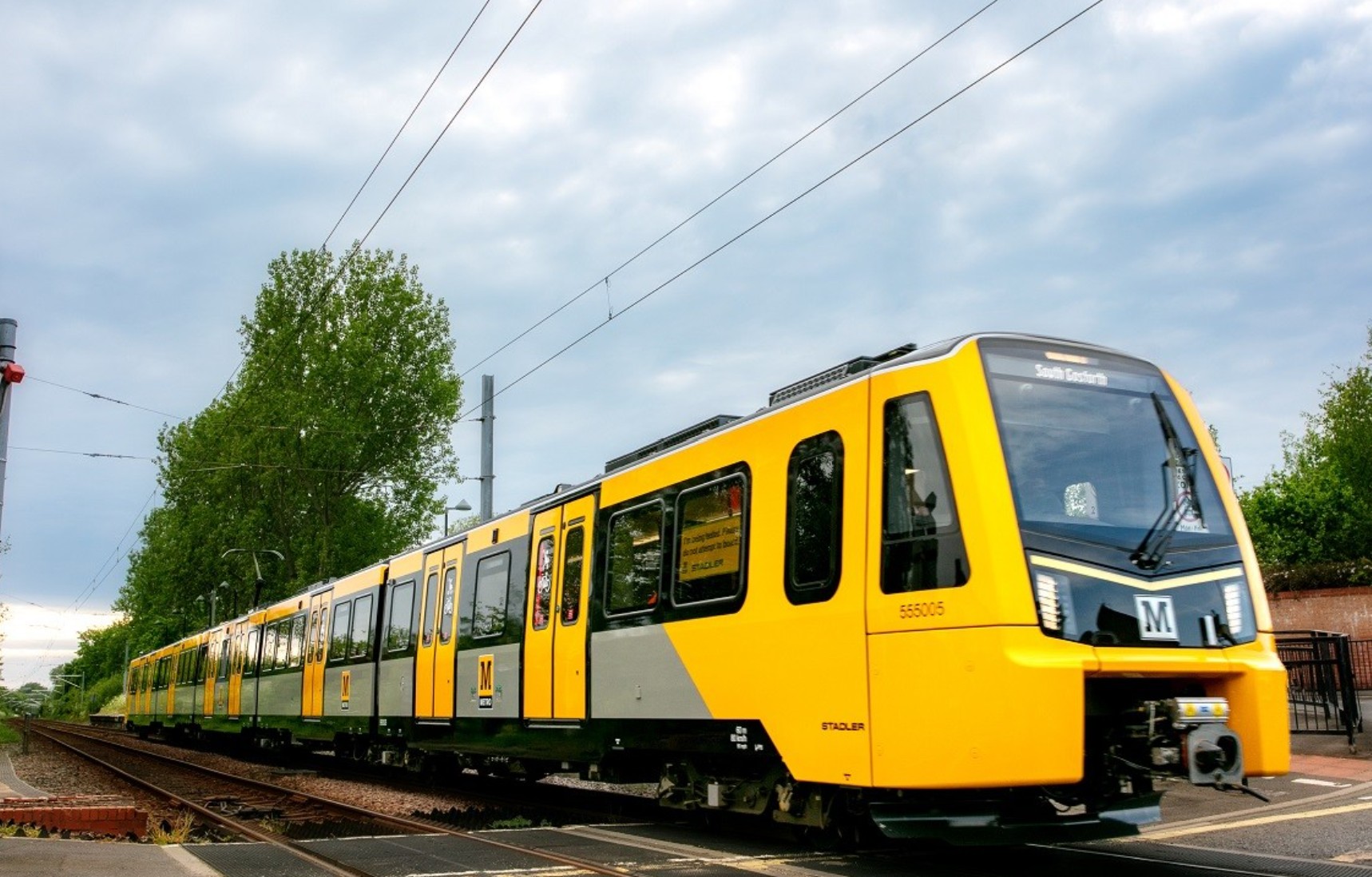
- Introduction of new trains (replacing 1980s stock)
- Continued infrastructure upgrades
- Digital transformation of control systems
New rolling stock from Stadler is being introduced to modernise the fleet and improve reliability.
Conclusion
The Tyne and Wear Metro is a remarkable example of British transport engineering. Its history reflects the transformation of a declining railway network into a modern light rail system. Its engineering demonstrates innovative solutions, from tunnelling beneath historic city centres to integrating old and new infrastructure.
At the same time, its maintenance highlights the challenges of sustaining a complex, ageing system in a demanding environment. Continuous investment, technological upgrades, and skilled engineering are essential to keep it running.
More than four decades after its opening, the Metro remains a vital part of life in the North East—an enduring symbol of the region’s industrial heritage and its commitment to modern transport.
