
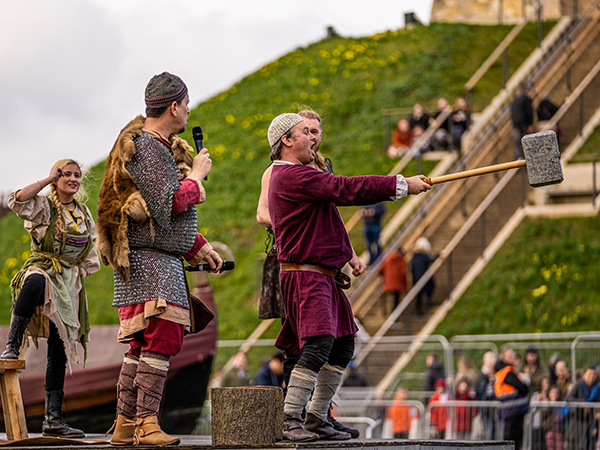
JVF26 – Viking Games is one of the most exciting and interactive events held during the Jorvik Viking Festival in the historic city of York. The Viking Games event brings history to life by recreating traditional physical contests inspired by the strength, endurance, and skill associated with Viking warriors. Combining historical inspiration with modern-day enthusiasm, the Viking Games attracts participants, spectators, and history enthusiasts who are interested in experiencing the competitive spirit of the Viking Age.
Organised by York Archaeology, the Jorvik Viking Festival celebrates the Norse heritage of York, historically known as Jorvik when it was a Viking settlement. The Viking Games provide an opportunity for visitors to learn about Viking culture through physical challenges, demonstrations, and friendly competition.
Historical Inspiration Behind the Viking Games
The Vikings are often remembered as fierce warriors, explorers, and settlers who lived during the early medieval period. Physical strength and endurance were important qualities for Viking society, as daily life often involved demanding tasks such as farming, shipbuilding, hunting, and combat training.
Although historical records describing organised Viking sporting competitions are limited, evidence suggests that physical contests were a common part of social gatherings. Feats of strength and skill helped demonstrate bravery, ability, and readiness for battle.
Traditional Norse societies valued courage, honour, and physical capability. Competitions may have taken place during festivals, seasonal celebrations, or gatherings where communities came together for trade and social interaction.
The modern Viking Games event draws inspiration from these traditions and aims to recreate the spirit of friendly rivalry that may have existed among Viking communities.
Types of Events in the Viking Games
The Viking Games include a range of physical contests designed to test strength, agility, coordination, and determination. Many of the challenges are inspired by activities that Vikings may have performed in their daily lives.
Common Viking Games events may include:
Axe Throwing
Axe throwing is one of the most popular activities associated with Viking culture. Participants aim to throw an axe at a wooden target, testing both accuracy and technique. This activity reflects the importance of weapons training in Viking society, as axes were commonly used tools as well as weapons.
Archery
Archery competitions test precision and concentration. Vikings were skilled hunters, and the ability to accurately shoot arrows would have been valuable for obtaining food and defending settlements.
Participants aim at targets placed at varying distances, with points awarded based on accuracy.
Tug of War
Tug of war demonstrates teamwork and strength. Viking communities depended on cooperation for survival, and teamwork would have been essential in activities such as sailing longships or constructing buildings.
Strength Challenges
Strength-based contests often include lifting heavy objects, carrying weighted items, or performing endurance tasks. These events symbolise the physical demands of Viking life, where manual labour was common.
Combat Skill Demonstrations
Some Viking Games events include controlled demonstrations of combat techniques using replica weapons. Participants demonstrate defensive movements, coordination, and strategic thinking.
Combat demonstrations are carefully supervised to ensure safety.
Participation and Audience Engagement
JVF26 – Viking Games encourages audience participation and interaction. Some activities allow visitors to try simplified versions of traditional challenges under supervision.
Participants may include:
- Historical re-enactors
- Members of Viking societies
- Enthusiastic visitors
- Skilled competitors with experience in historical sports
The atmosphere is friendly and inclusive, allowing people of different ages and abilities to take part.
Spectators often enjoy cheering competitors and learning about the techniques used in each challenge.
The Viking Games provide entertainment while also offering educational insight into Viking life.
Cultural Significance of Physical Competition
Physical contests were an important part of many historical cultures. Competitions allowed individuals to demonstrate skill and strength while also providing entertainment for the community.
In Viking society, physical capability was closely connected to survival. Farming, building, travelling, and defending settlements required endurance and resilience.
Competitions may also have helped young warriors prepare for real-life challenges.
The Viking Games event reflects these values and encourages appreciation of historical lifestyles.
Educational Value
JVF26 – Viking Games is not only about competition but also about education. Narrators and event organisers often explain how each activity connects to historical practices.
Visitors can learn about:
- Viking tools and weapons
- Hunting techniques
- Physical training methods
- Social structure within Viking communities
- Importance of teamwork
- Historical materials used in equipment
Educational information helps visitors understand that Vikings were not only warriors but also skilled craftspeople and resourceful settlers.
The Viking Games provide a hands-on learning experience that makes history more memorable.
Connection to the Jorvik Viking Centre
The Viking Games complement exhibitions at the Jorvik Viking Centre, where visitors can explore reconstructions of Viking streets and learn about daily life in Jorvik.
The museum provides historical context that enhances understanding of the activities seen during the festival.
Visitors often attend both the Viking Games and museum exhibitions to gain a comprehensive view of Viking culture.
Atmosphere of the Event
The Viking Games take place in an energetic and lively environment. Participants often wear historically inspired clothing, helping create an immersive atmosphere.
The event may include:
- Traditional music
- Historical costumes
- Viking banners and shields
- Commentary explaining events
- Opportunities to speak with re-enactors
The enthusiasm of participants contributes to the sense of authenticity and excitement.
Visitors often take photographs and enjoy interacting with performers.
Tourism and Community Impact
Events such as JVF26 – Viking Games contribute to tourism in York by attracting visitors interested in history and cultural experiences.
Local businesses, including shops, cafés, and hotels, benefit from increased visitor numbers during the festival.
The Jorvik Viking Festival has become an important part of York’s cultural identity and helps promote awareness of the city’s historical significance.
Community engagement with historical heritage encourages appreciation of the past.
The Importance of Historical Re-enactment
Historical re-enactment helps people visualise the past and understand how earlier societies functioned.
Watching or participating in Viking Games activities can inspire interest in archaeology, history, and anthropology.
Re-enactors often conduct research to ensure that clothing, tools, and techniques are historically informed.
Although modern safety standards must be followed, efforts are made to maintain authenticity.
These activities help bridge the gap between academic research and public understanding.
Visitor Experience
Visitors attending JVF26 – Viking Games often describe the event as enjoyable, educational, and engaging.
Families, students, and history enthusiasts all find something of interest.
The event allows people to experience history in an active and memorable way.
Interactive activities help make learning enjoyable and encourage curiosity about the Viking Age.
Many visitors also explore other festival events, including battle re-enactments, lectures, and workshops.
Conclusion
JVF26 – Viking Games is an exciting celebration of physical skill, teamwork, and historical tradition. By recreating activities inspired by Viking culture, the event allows visitors to experience an important aspect of early medieval life.
The Viking Games demonstrate that history can be both educational and entertaining. Through participation and observation, visitors gain a deeper appreciation of Viking society and the challenges faced by people living during that period.
As part of the Jorvik Viking Festival, the Viking Games contributes to the preservation of cultural heritage and encourages continued interest in history and archaeology.
The popularity of the event reflects the enduring fascination with Viking culture and highlights the value of bringing history to life through interactive experiences.
