
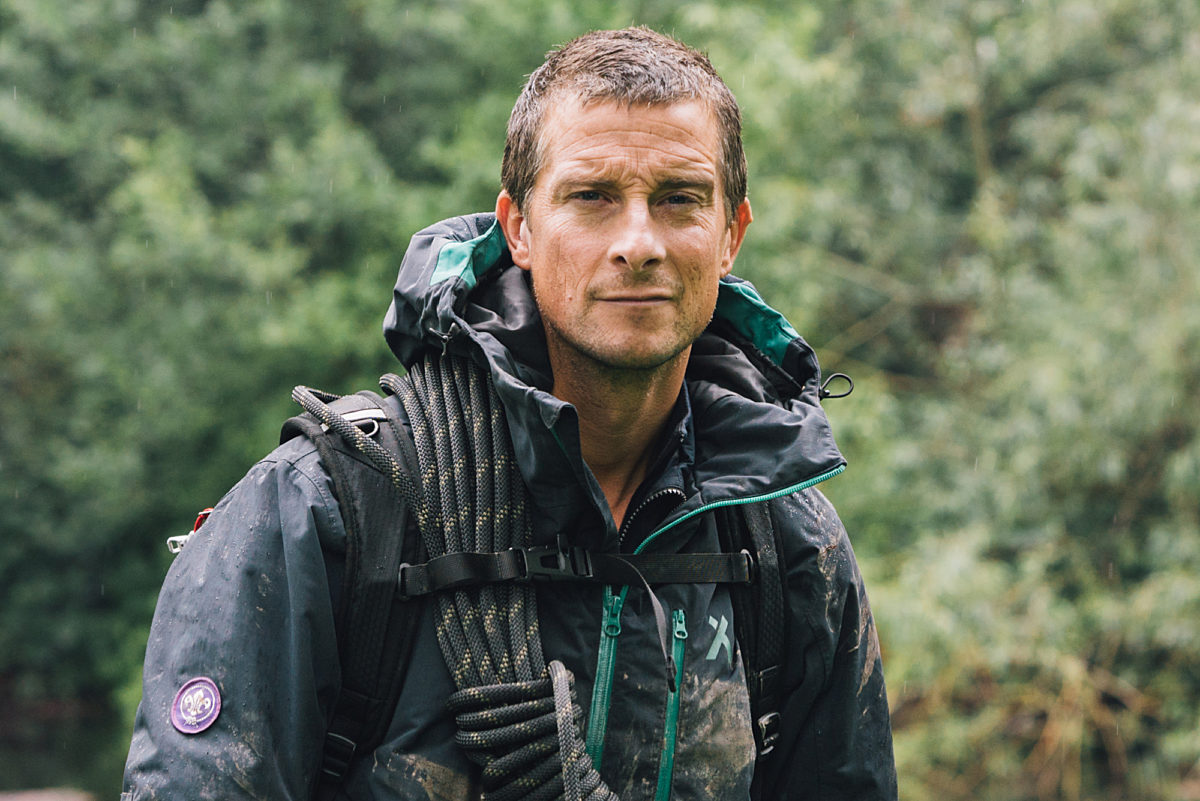
Bear Grylls is one of the most recognisable adventure figures of the 21st century. Known globally for his television series Man vs. Wild and a career that blends survival expertise, media presence, military experience, and motivational leadership, Grylls has become a symbol of resilience, adaptability, and pushing beyond perceived limits. His life story is not just about extreme environments and dramatic television moments, but also about discipline, preparation, and a deep respect for nature.
Early Life and Background
Bear Grylls was born Edward Michael Grylls on 7 June 1974 in London, England. He grew up on the Isle of Wight and later in North Wales, environments that played a key role in shaping his love for the outdoors. From an early age, Grylls was exposed to adventure through sailing and climbing, often encouraged by his father, Sir Michael Grylls, a Conservative politician and mountaineer. This early exposure laid the foundations for his lifelong passion for exploration and survival.
Grylls attended Eton College, one of the UK’s most prestigious schools, where he was known not just for academic ability but also for his enthusiasm for physical challenges and leadership. He later went on to study Spanish at Birkbeck, University of London, though his career path would take a far less conventional route than academia.
Military Service and Training
One of the most formative periods of Bear Grylls’ life was his service in the British Army. He joined the Territorial Army and later became part of the 21 SAS Regiment (Artists Rifles), serving as a soldier for three years. During this time, he received intensive training in survival, unarmed combat, parachuting, demolitions, and leadership under pressure.
This military background is crucial to understanding Grylls’ later success. The SAS is renowned for its emphasis on mental toughness, teamwork, and adaptability in extreme conditions. Grylls has often credited this experience with shaping his mindset, particularly the importance of staying calm under pressure and breaking overwhelming challenges into manageable steps.
Life-Changing Injury and Recovery
In 1996, while training in Kenya, Grylls suffered a near-fatal parachuting accident when his parachute failed to open properly. He fell approximately 16,000 feet, shattering three vertebrae in his back. Doctors warned him that he might never walk again, let alone return to a physically demanding lifestyle.
This moment marked a turning point in Grylls’ life. Through months of rehabilitation, discipline, and mental determination, he not only recovered but set himself an ambitious goal: to climb Mount Everest. His recovery is often cited as one of the defining examples of his resilience and refusal to accept limitations imposed by circumstance.
Youngest Briton to Climb Everest
In 1998, at the age of 23, Bear Grylls became one of the youngest Britons to summit Mount Everest. This achievement was remarkable not just because of his age, but because it came less than two years after his serious spinal injury. The expedition was physically brutal and mentally exhausting, reinforcing Grylls’ belief in preparation, teamwork, and perseverance.
Everest marked Grylls’ transition from soldier and adventurer to public figure. It gave him credibility in the world of exploration and laid the groundwork for his later media career.
Television Career and Man vs. Wild
Bear Grylls rose to international fame with the television series Man vs. Wild, which first aired in 2006. The show placed Grylls in extreme environments—deserts, jungles, mountains, Arctic regions—where he demonstrated survival techniques such as finding water, building shelter, navigating terrain, and sourcing food.
The programme was immensely popular, but not without controversy. Critics questioned the authenticity of certain scenes, accusing the show of staging situations for dramatic effect. Grylls later acknowledged that while the environments were real and the techniques valid, the show was designed primarily as an entertainment programme rather than a literal survival documentary.
Despite the criticism, Man vs. Wild had a profound cultural impact. It introduced millions of viewers to basic survival principles and sparked renewed interest in outdoor skills, bushcraft, and adventure travel. Grylls’ willingness to push physical and psychological boundaries made him a household name.
Expanding the Brand: Books, Shows, and Leadership
Beyond Man vs. Wild, Bear Grylls has built a diverse career. He has hosted numerous television series, including Running Wild with Bear Grylls, where celebrities are taken into remote locations and challenged both physically and emotionally. These programmes often reveal a more reflective side of Grylls, focusing on personal growth, vulnerability, and resilience.
Grylls is also a prolific author. He has written survival guides, autobiographies, and a popular series of adventure novels for young readers. His books often emphasise mindset over raw physical strength, reinforcing the idea that mental resilience is the key to overcoming adversity.
In addition, Grylls served as Chief Scout of the Scout Association in the UK from 2009 to 2018, becoming the youngest person to hold the role. In this position, he promoted outdoor learning, leadership, and character development among young people, aligning closely with the values he promotes in his media work.
Philosophy and Personal Values
At the heart of Bear Grylls’ public persona is a philosophy centred on courage, adaptability, and faith. Grylls is open about his Christian beliefs and often speaks about the importance of hope and purpose, particularly in moments of fear or uncertainty. While his faith is personal, it informs his emphasis on humility, gratitude, and service to others.
Grylls frequently highlights that survival is rarely about dramatic heroics. Instead, it is about preparation, small decisions, and maintaining a positive mindset under pressure. This philosophy has made him a popular motivational speaker in corporate, educational, and military contexts.
Criticism and Public Perception
Like many high-profile figures, Bear Grylls has faced criticism. Some argue that his television shows oversimplify survival situations or promote risky behaviour if imitated without proper training. Grylls himself has repeatedly stressed that viewers should not attempt dangerous techniques without expert guidance and preparation.
Despite this, his influence remains significant. He occupies a unique space between entertainment and education, inspiring audiences to engage with the natural world while emphasising respect for its dangers.
Legacy and Cultural Impact
Bear Grylls’ legacy extends beyond television ratings and book sales. He has helped redefine adventure media for a modern audience, blending spectacle with practical lessons and personal storytelling. His journey—from injured paratrooper to Everest climber, from SAS soldier to global media figure—resonates because it embodies the idea that adversity can be transformed into opportunity.
In an increasingly digital and urbanised world, Grylls represents a connection to something elemental: the challenge of survival, the power of nature, and the resilience of the human spirit. Whether viewed as an entertainer, educator, or motivator, Bear Grylls has left an indelible mark on popular culture and the modern understanding of adventure.
Conclusion
Bear Grylls is far more than a television survivalist. He is a product of discipline, failure, recovery, and relentless determination. His story illustrates that true strength lies not just in physical endurance, but in mindset, preparation, and the courage to keep moving forward when circumstances seem overwhelming. Through his work, Grylls continues to inspire people around the world to embrace challenge, respect nature, and discover their own capacity for resilience.
