
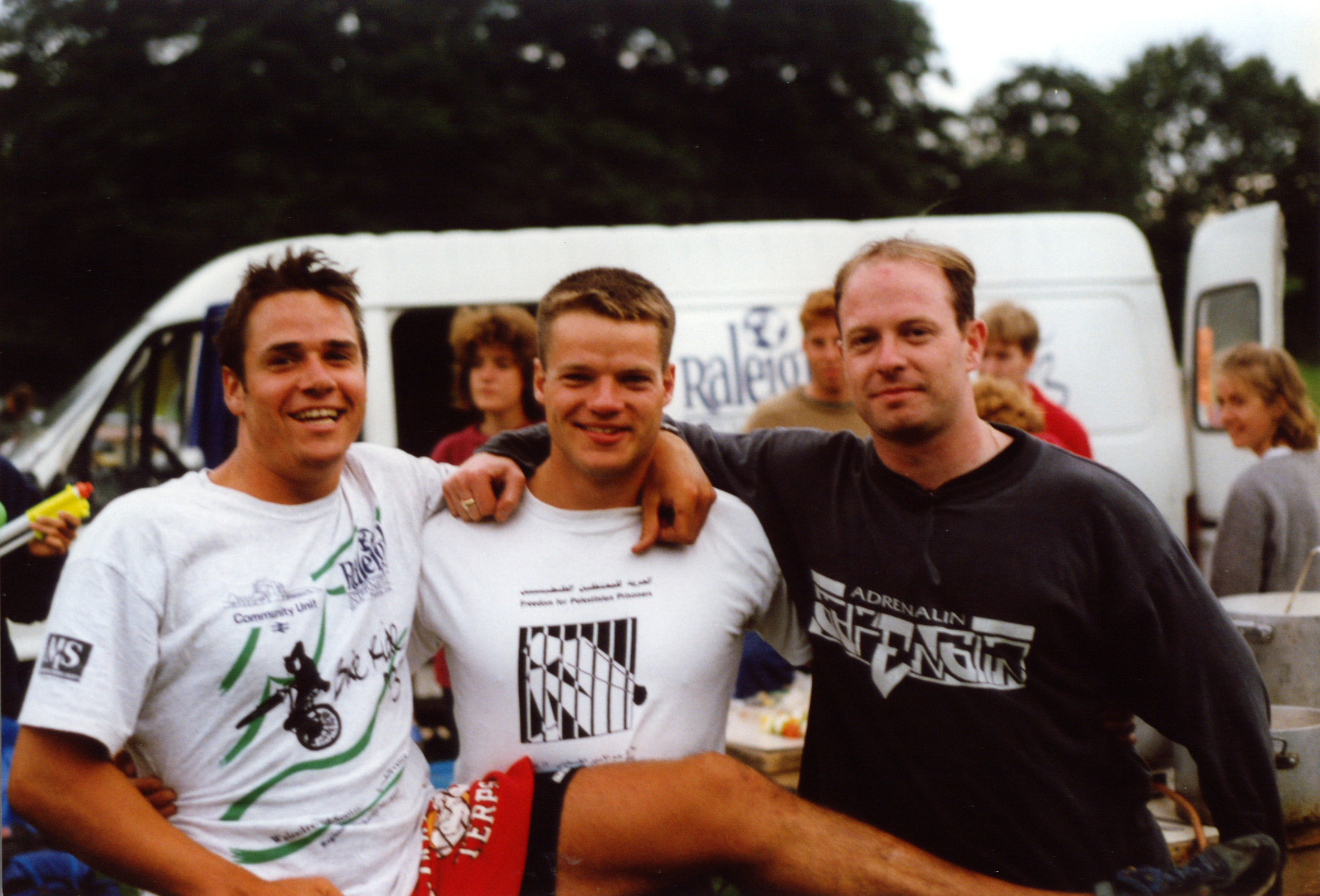
The summer of 1993 stands out as one of the most defining periods of my life, marked by endurance, discovery, and a profound sense of shared purpose. Taking part in Raleigh International’s ninth Bike Ride was not simply a cycling challenge; it was a ten-week journey that tested physical limits, reshaped perspectives, and forged lasting friendships. Alongside around 500 fellow riders, I became part of something far bigger than myself — a collective effort driven by adventure, service, and the desire to make a meaningful difference.
The scale of the undertaking became apparent long before the first mile was ridden. Preparation was key, both mentally and physically. Training rides built stamina and resilience, while fundraising efforts required persistence and commitment. Each participant carried the responsibility of representing Raleigh International and the charitable causes we supported, including the MS Society and Raleigh International’s Youth Development Programme. By the time the ride officially began, there was already a strong sense of camaraderie, shared anticipation, and nervous excitement among the group.
Over the course of ten weeks, we cycled approximately 2,500 miles across Britain, Ireland, and France. The journey took us through an extraordinary variety of landscapes — from rolling countryside and rugged coastlines to remote rural roads and bustling towns. No two days were the same. Some mornings began under clear blue skies, full of optimism and energy, while others started with rain-soaked kit, stiff legs, and the quiet resolve needed to get back on the saddle. Weather was an ever-present factor, teaching us quickly that comfort was secondary to determination.
Physically, the ride was demanding. Long distances day after day took their toll, and the relentless climbs tested even the strongest riders. Hills became both a challenge and a metaphor — moments where progress slowed, doubts surfaced, and perseverance mattered most. Mechanical issues, minor injuries, and sheer exhaustion were all part of the experience. Yet it was precisely these hardships that strengthened the group dynamic. Riders looked out for one another, offering encouragement, spare parts, and moral support when it was needed most.
What set the Raleigh International Bike Ride apart from other endurance cycling events was its strong emphasis on service. Along the route, participants collectively contributed over 8,400 person-hours of voluntary work. These projects ranged from practical community support to environmental and maintenance work, each offering a chance to give something back to the places that hosted us. Volunteering provided a welcome change of pace from cycling, but more importantly, it grounded the journey in purpose. It reminded us that the ride was not solely about personal achievement, but about contributing positively to others.
These moments of voluntary work often proved just as memorable as the cycling itself. Working side by side with local people fostered a sense of connection and mutual respect. Language barriers, cultural differences, and unfamiliar environments were navigated through cooperation and goodwill. In many ways, these experiences broadened our understanding of community and highlighted the impact that collective effort can have, even over a relatively short period of time.
Living conditions throughout the ride were basic but functional. Campsites, shared accommodation, and makeshift facilities became the norm. Comfort was minimal, yet morale remained surprisingly high. Evenings were often spent maintaining bikes, sharing meals, and exchanging stories from the day’s ride. Laughter was common, as was reflection. Bonds formed quickly in this environment, accelerated by shared fatigue, shared challenges, and shared goals. Many of the friendships forged during those ten weeks endured long after the ride ended.
Fundraising remained a constant focus throughout the journey. Knowing that the physical effort translated directly into financial support for worthwhile causes added an extra layer of motivation. The funds raised were divided between the MS Society and Raleigh International’s Youth Development Programme, both of which benefited significantly from the ride’s success. For many participants, including myself, this reinforced the idea that personal challenges can be a powerful force for social good when aligned with a meaningful cause.
The international nature of the route added depth to the experience. Cycling through different countries exposed us to varying cultures, customs, and ways of life. Small interactions — conversations with locals, shared meals, or simple acts of kindness — left a lasting impression. These encounters emphasized the universal nature of hospitality and the shared human experience, regardless of geography. They also highlighted the privilege of being able to travel in such an immersive and self-powered way.
As the weeks progressed, it became clear that the ride was as much a mental challenge as a physical one. Motivation had to be rediscovered regularly, especially during periods of fatigue or adverse conditions. Learning to manage energy, pace oneself, and remain focused became essential skills. These lessons extended beyond cycling and proved valuable long after the ride concluded. The experience fostered resilience, adaptability, and a deeper understanding of personal limits — and how to push beyond them.
Reaching the final stages of the ride brought a mixture of relief, pride, and reflection. Completing such a demanding journey created a strong sense of achievement, not just individually, but collectively. Each rider had contributed to the success of the whole, whether through miles ridden, hours volunteered, or funds raised. The end of the ride marked the conclusion of an extraordinary chapter, but it also signaled the beginning of a lasting impact on those who took part.
Looking back, the Raleigh International Bike Ride of 1993 was a transformative experience. It combined physical endurance, voluntary service, and cultural exploration in a way few other experiences could. The journey fostered personal growth, built confidence, and reinforced the value of teamwork and perseverance. Most importantly, it demonstrated how adventure can be harnessed as a force for positive change. Decades later, the memories remain vivid — a testament to the power of shared challenges, purposeful action, and the enduring spirit of Raleigh International.
Author’s Note
Although the Raleigh International Bike Ride was a ten-week expedition, I completed approximately six weeks of the journey before leaving to take part in a separate summer workcamp organised by the Middle East Council of Churches. This workcamp was based at Birzeit University in the West Bank, where I was involved in community-focused projects and gained first-hand experience of life in a region very different from those we had cycled through. The shift from the physical demands of long-distance cycling to the social and cultural challenges of the workcamp was significant, offering a deeper understanding of international cooperation, service, and cultural awareness.
In addition to the workcamp, I also helped in bringing the tall ship TS Astrid from London’s St Katharine Docks to Newcastle in preparation for the start of the Tall Ships’ Race. This voyage presented a completely different set of challenges, replacing the bicycle with life at sea and requiring teamwork, resilience, and adaptability in a maritime environment. Together, these experiences meant that while I did not complete the full ten weeks of the bike ride, the six weeks I did complete were complemented by equally demanding and enriching projects, making the summer a uniquely varied and formative period.
