
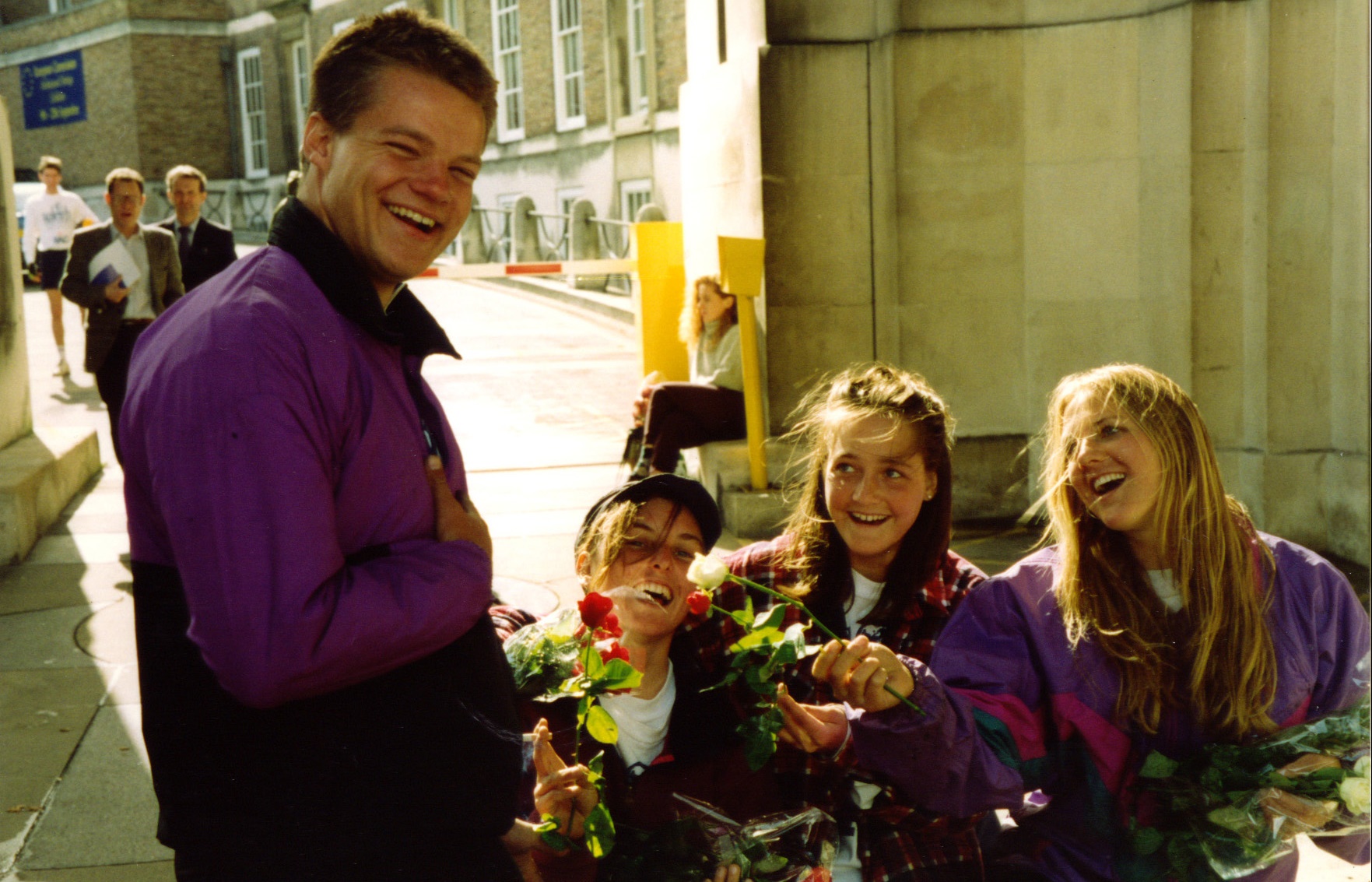
The summer of 1992 marked the beginning of an adventure that would leave a lasting impression on my life. Taking part in Raleigh International’s eighth Bike Ride was both a personal challenge and a shared journey, bringing together people from diverse backgrounds with a common purpose: to cycle, to contribute, and to experience the world in a way that demanded effort and commitment. The six-week ride began in Glasgow and concluded in Bristol, tracing a long and varied route through the UK and Ireland, and offering experiences that went far beyond the miles covered.
From the outset, the scale of the challenge was clear. This was not a casual cycling tour, but a sustained endurance event requiring physical preparation, mental resilience, and a willingness to embrace uncertainty. Riders arrived in Glasgow full of anticipation, nerves, and excitement. Bikes were checked and rechecked, equipment carefully packed, and friendships began forming even before the first pedal stroke. There was a shared understanding that the weeks ahead would be demanding, but also deeply rewarding.
Leaving Glasgow, the ride quickly immersed us in the realities of long-distance cycling. Early days set the rhythm that would define the journey: early starts, long hours in the saddle, and the constant need to manage energy, nutrition, and morale. Scotland’s landscapes provided a dramatic backdrop, with rolling hills, open moorland, and changing weather that could shift from sunshine to rain within minutes. These conditions tested both fitness and determination, reinforcing the importance of teamwork and mutual support.
One of the defining features of the Raleigh International Bike Ride was its emphasis on collective responsibility. Riders supported one another on difficult climbs, waited at junctions to ensure no one was left behind, and shared tools, supplies, and encouragement. Mechanical issues and minor injuries were inevitable, but they were dealt with through cooperation and problem-solving. These shared challenges helped forge strong bonds, turning a group of individuals into a cohesive team.
A unique and much-anticipated element of the 1992 ride was the “mystery tour” — a week in which participants were given the freedom to choose their own route and destination. This concept added a sense of adventure and independence, allowing riders to step outside the structured itinerary and explore areas that personally inspired them. For me, the decision was driven by a long-held curiosity about the Outer Hebrides.
Choosing the Outer Hebrides meant diverging significantly from the main route. From Oban on the west coast of Scotland, I took a ferry across to the islands, immediately feeling a shift in pace and atmosphere. The Hebrides offered a striking contrast to the mainland: vast open landscapes, quiet roads, dramatic coastlines, and a sense of remoteness that was both humbling and exhilarating. Cycling there felt like stepping into another world, where the rhythm of the journey was dictated by weather, ferries, and the terrain rather than schedules and distances.
The experience of cycling through the Outer Hebrides was unforgettable. Long stretches of road unfolded with little traffic, allowing time for reflection and immersion in the landscape. The ever-present wind became both an adversary and a companion, shaping each day’s effort. Small settlements, white-sand beaches, and expansive skies created moments of awe that remain vivid even decades later. The sense of self-reliance during this week was profound, reinforcing confidence and adaptability.
Returning to the mainland via Stornoway marked the end of the mystery tour and a rejoining with the wider ride. Reconnecting with other participants brought a renewed appreciation for the collective nature of the journey. Stories were exchanged, routes compared, and experiences shared, each rider having carved out their own unique chapter during that week of independence. This blending of individual exploration with group endeavour was one of the ride’s greatest strengths.
Throughout the six weeks, voluntary work formed an integral part of the Raleigh International Bike Ride. These projects were woven into the route and provided a meaningful counterbalance to the physical demands of cycling. Whether assisting with community tasks, environmental projects, or practical labour, the work reinforced the ride’s purpose beyond personal challenge. Contributing time and effort to local communities fostered a sense of connection and responsibility, reminding participants that the journey was about giving as much as it was about achieving.
The voluntary work also offered opportunities to engage with people from different walks of life. Working alongside locals provided insight into the places we passed through, grounding the experience in real human interaction rather than simply passing through as visitors. These moments often proved just as rewarding as the cycling itself, leaving a lasting sense of contribution and shared effort.
As the ride progressed southwards, the changing geography brought new challenges and rewards. England’s roads introduced different terrain and traffic conditions, requiring heightened awareness and adaptability. Fatigue accumulated, but so did resilience. Riders became stronger, both physically and mentally, learning to pace themselves and manage discomfort. The sense of routine — ride, eat, volunteer, rest — became second nature, creating a rhythm that carried us forward.
Living conditions during the ride were basic, but they encouraged simplicity and focus. Campsites and shared accommodation became temporary homes, where evenings were spent maintaining bikes, sharing meals, and reflecting on the day’s experiences. Laughter, storytelling, and mutual encouragement were essential ingredients in maintaining morale. Friendships formed quickly and deeply, shaped by shared effort and shared adversity.
The final approach to Bristol brought a mix of emotions. There was pride in having completed the journey, relief that the physical challenge was drawing to a close, and a sense of nostalgia for a way of life that had become normal over the preceding weeks. Crossing the finish felt less like an ending and more like a moment of collective achievement — a recognition of what had been accomplished together.
Looking back, the Raleigh International Bike Ride of 1992 was a formative experience. It pushed boundaries, encouraged independence, and fostered a deep appreciation for teamwork and perseverance. The combination of endurance cycling, voluntary work, and personal exploration created a rich and balanced adventure. Starting in Glasgow and ending in Bristol, the journey spanned not just miles, but personal growth, confidence, and perspective.
Decades later, the memories remain powerful. The landscapes of Scotland and the Outer Hebrides, the camaraderie of fellow riders, and the satisfaction of contributing to meaningful projects continue to resonate. The 1992 Bike Ride was more than a six-week journey — it was an experience that shaped how I approached challenges, adventure, and collaboration, leaving a legacy that endures long after the last mile was ridden.
