
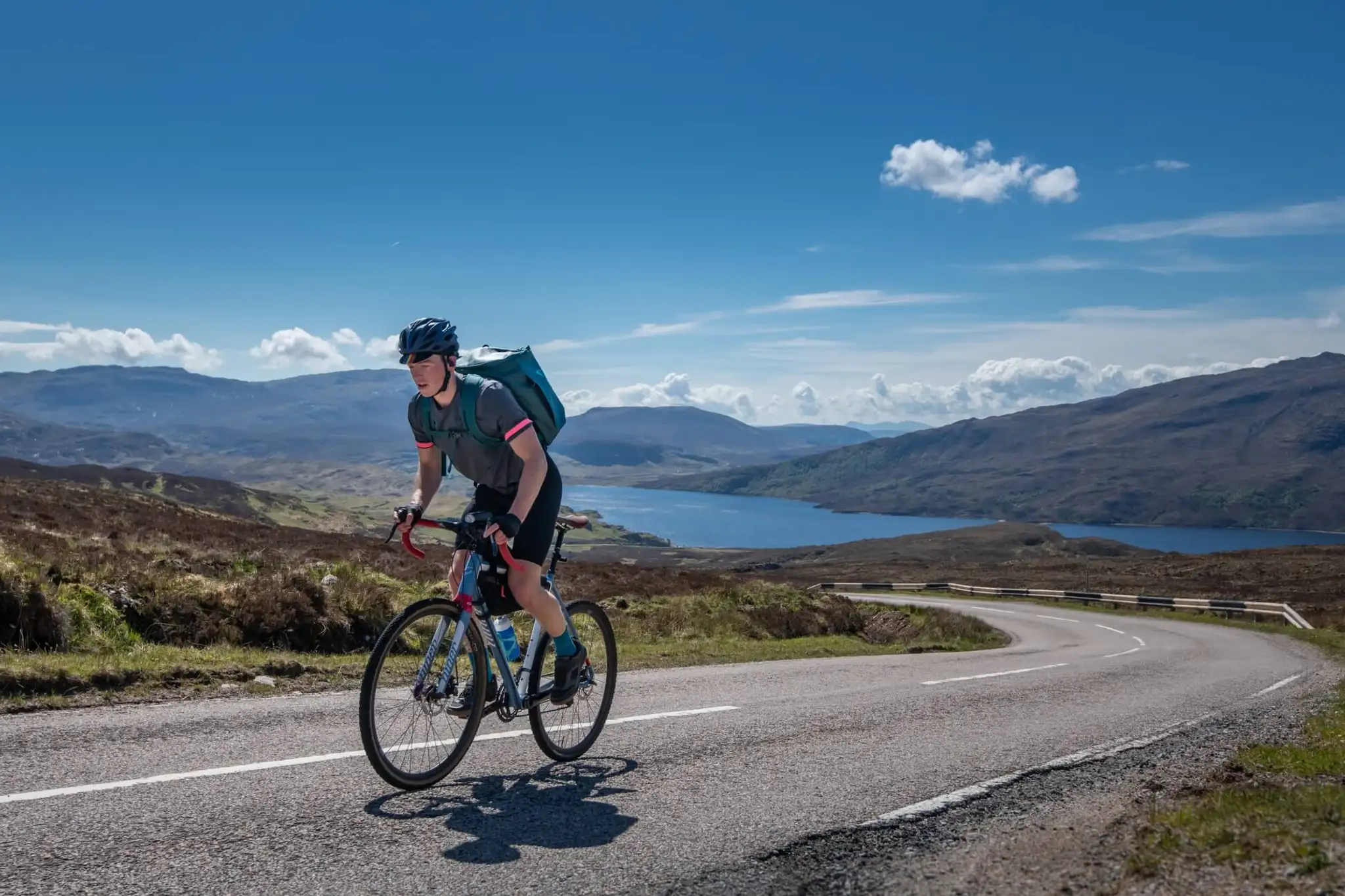
Scotland has a unique ability to leave a lasting impression on those who travel through it slowly. Its vast landscapes, shifting weather, and sense of space reward patience and effort, making it an ideal destination for long-distance cycling. One particular journey stands out as one of the most ambitious and meaningful cycle trips I’ve undertaken: a 727-mile bike ride around Scotland, combining adventure with a clear sense of purpose.
This was not simply a tour for the sake of distance. The journey had a mission at its heart: to raise funds for Gavin, one of a group of adventurous lads preparing for an expedition with Raleigh International. The ride became a shared challenge, a moving fundraiser, and an unforgettable way to experience Scotland from the saddle.
A Journey with a Purpose
Embarking on a cycle trip of this scale requires more than physical preparation; it demands motivation. For this ride, the motivation was clear from the outset. Gavin, who worked for the AA (Automobile Association), was preparing for a Raleigh International expedition—an experience that combines personal development, teamwork, and overseas volunteering. Funding such expeditions is no small task, and the decision to support him through a cycling challenge gave the journey meaning beyond the miles.
Gavin took a creative and committed approach to fundraising. Rather than relying solely on online sponsorship, he planned visits to AA offices across Scotland, engaging directly with colleagues and supporters along the route. Each stop added structure to the journey, turning the ride into a moving campaign that linked people, places, and purpose.
For the rest of us, the ride became a way to contribute tangibly—every mile pedalled was a statement of support, and every tough day reinforced why we were there.
Setting Off into the Scottish Landscape
From the very beginning, Scotland made its presence felt. The country’s landscapes are expansive and varied, shifting constantly between coastline, rolling hills, open moorland, forests, and mountain backdrops. Cycling through these environments heightens awareness of every change—wind direction, gradient, surface, and weather all play a role in shaping the day.
Long-distance cycling strips life down to essentials. Each day revolved around distance, food, shelter, and recovery. Mornings began with the quiet ritual of packing bags, checking bikes, and studying the route ahead. Once underway, the rhythm of pedalling took over, carrying us through villages, along lochs, and across remote stretches where traffic was minimal and the sense of isolation profound.
The Physical Challenge of Distance
Covering 727 miles is as much a mental challenge as a physical one. While individual days varied in distance and difficulty, the cumulative effect was relentless. Legs ached, shoulders tightened, and fatigue became a constant companion. Yet, paradoxically, the body adapts. What initially feels daunting gradually becomes routine, and distances that once seemed intimidating begin to feel manageable.
Scotland’s terrain ensures there is no such thing as an “easy” ride. Even flatter sections are often exposed to wind, while climbs can appear suddenly, demanding effort when energy is already running low. Weather conditions add another layer of unpredictability—sunshine can give way to rain within minutes, and headwinds can turn progress into a battle of attrition.
Despite this, there was a shared resilience within the group. Encouragement was constant, whether through quiet words on a climb or shared laughter during breaks. The challenge bonded us, reinforcing the sense that this was a collective effort rather than an individual test.
Riding Through Communities
One of the most rewarding aspects of the trip was the interaction with local communities. Visiting AA offices provided natural stopping points and opportunities to connect with people who understood both the challenge and the cause. These visits offered moments of rest and reflection, breaking up the physical demands of the ride with human connection.
Beyond the offices, everyday encounters left a lasting impression. Conversations with locals at cafés, shops, and roadside stops revealed a generosity of spirit that Scotland is known for. People were curious about the journey, eager to hear why we were riding, and quick to offer encouragement.
These moments reinforced the idea that long-distance cycling is not just about covering ground—it’s about engagement. Moving at bicycle pace allows you to absorb the character of a place in a way that faster travel simply doesn’t.
The Changing Face of Scotland
One of the defining features of cycling around Scotland is the constant change in scenery. Coastal stretches offer dramatic views of the sea, with cliffs, beaches, and harbours marking progress. Inland sections bring quieter roads, forests, and open moorland, where the sense of space can feel almost overwhelming.
Lochs appear unexpectedly, their still surfaces reflecting the sky and surrounding hills. Mountain ranges loom in the distance, sometimes approached directly, other times acting as silent companions on the horizon. Each day brought something new, ensuring that fatigue was often offset by visual reward.
Cycling through these landscapes fosters a deep appreciation for Scotland’s natural beauty. It also instils humility—weather and terrain are always in control, and adaptability becomes essential.
Camaraderie on the Road
Shared hardship has a way of strengthening bonds, and this trip was no exception. Long days in the saddle, combined with the logistics of accommodation, food, and route planning, created countless opportunities for teamwork.
There were moments of quiet introspection, where miles passed in near silence, broken only by the sound of tyres on tarmac. There were also moments of shared humour—laughing at the absurdity of riding into yet another headwind or celebrating small victories like a café appearing just when it was needed most.
The sense of camaraderie extended beyond the core group. Supporters, colleagues, and strangers became part of the journey through donations, encouragement, and hospitality. It was a powerful reminder that even the most individual-seeming challenges are rarely undertaken alone.
Fundraising and Fulfilment
As the miles accumulated, so too did the sense of purpose. Knowing that the ride was directly supporting Gavin’s Raleigh International expedition added emotional weight to every challenge overcome. The physical discomforts became easier to accept when framed within the broader goal.
Fundraising through action creates a tangible connection between effort and outcome. Each completed stage felt like a contribution—not just to the total distance, but to Gavin’s opportunity to take part in something life-changing. That knowledge transformed fatigue into fulfilment.
Reflection and Achievement
Completing a cycle trip of this scale leaves a lasting impact. The body recovers, but the memories remain vivid: early starts, long roads, shared meals, and the quiet satisfaction of progress. Scotland, experienced at bicycle pace, reveals itself as a country of depth and contrast—challenging yet welcoming, rugged yet refined.
The journey reinforced why cycling is such a powerful way to explore. It demands commitment, rewards effort, and creates space for reflection. It also has the ability to bring people together around a shared goal, turning individual miles into collective achievement.
Final Thoughts
A 727-mile cycle trip around Scotland is not something easily forgotten. It tests endurance, patience, and resolve, while offering unparalleled access to some of the most beautiful and varied landscapes in the UK. Combined with a fundraising mission, the ride became something more than a physical challenge—it became a statement of support, friendship, and shared ambition.
The experience stands as a reminder that the most rewarding journeys are often those undertaken for reasons beyond ourselves. Through determination, camaraderie, and community support, the ride achieved its purpose and left behind memories that continue to resonate long after the final mile was ridden.
