
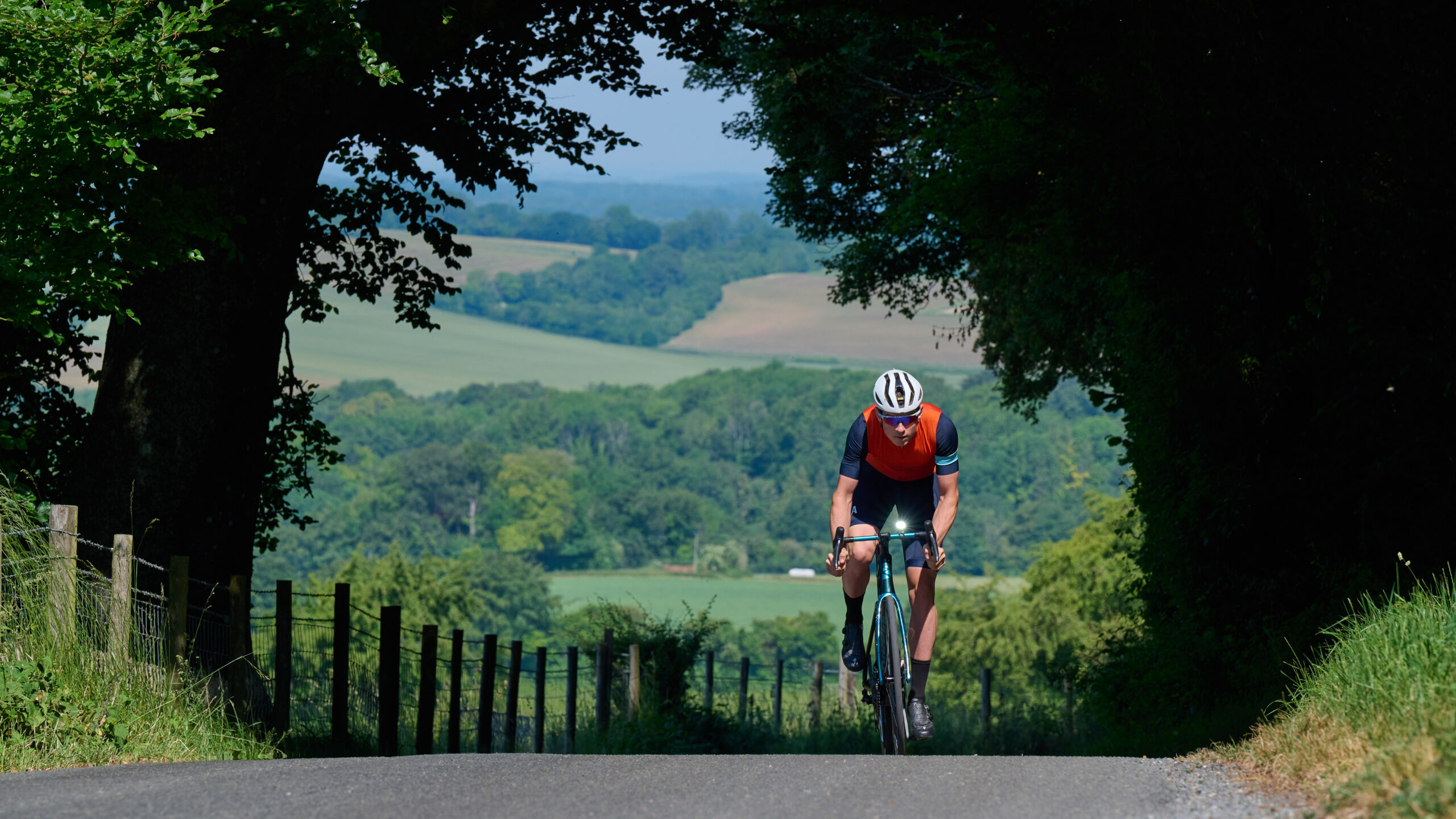
The Wooler Wheel Classic is one of Northumberland’s most distinctive and rewarding cycling events. Based in the market town of Wooler, often described as the “Gateway to the Cheviots,” the event offers riders a chance to experience some of the county’s finest landscapes while testing themselves on a demanding but deeply satisfying route. Unlike large commercial sportives, the Wooler Wheel Classic retains a strong local character, blending community spirit, challenging terrain, and stunning scenery into a memorable day on the bike.
Northumberland is renowned for its open spaces, quiet roads, and sense of remoteness, and the Wooler Wheel Classic captures all of this in a single ride. It is not just a cycling event; it is an immersion into the character of the region—rolling farmland, wide skies, rugged hills, and villages that seem untouched by time.
Wooler: Gateway to the Cheviots
Wooler itself is the perfect starting point for a cycling event of this nature. Nestled at the edge of the Cheviot Hills, the town has long been a hub for walkers, hikers, and outdoor enthusiasts. Its position makes it an ideal base for routes that quickly leave urban life behind and head straight into open countryside.
On event day, Wooler takes on a different atmosphere. Cyclists gather early, bikes are checked, numbers pinned, and conversations strike up between riders of all abilities. There’s a shared sense of anticipation, mixed with quiet nerves, as everyone knows that the terrain ahead will be demanding but rewarding.
Once underway, it doesn’t take long for the roads to thin out and the landscape to open up. The bustle of the town is quickly replaced by rolling hills and wide valleys, setting the tone for the day ahead.
A Route Defined by Variety
One of the defining characteristics of the Wooler Wheel Classic is the variety of terrain. This is not a route that settles into a single rhythm. Instead, it constantly changes, demanding adaptability and awareness from the rider.
The course weaves through quiet country lanes, open moorland, and farmland, often with long stretches where the only sounds are tyres on tarmac and the wind moving through grass and hedgerows. Climbs appear regularly, some gradual and deceptive, others short and sharp enough to force riders out of the saddle.
What makes these climbs particularly memorable is their setting. Rather than being hemmed in by traffic or buildings, they are exposed and expansive, offering panoramic views back across the landscape you’ve just ridden through. Each ascent feels earned, and each descent provides both relief and exhilaration.
The Cheviots: A Constant Presence
The Cheviot Hills are a constant backdrop throughout the Wooler Wheel Classic. Their presence gives the route a sense of scale and context, reminding riders that they are cycling through one of England’s most rugged and least populated regions.
Unlike the dramatic peaks of the Lake District or Snowdonia, the Cheviots are more subtle but no less powerful. Their rolling forms and open expanses create a feeling of space that is increasingly rare. On clear days, visibility can stretch for miles, reinforcing the sense of isolation and freedom that defines cycling in Northumberland.
This exposure also means that weather plays a significant role. Wind, in particular, can shape the experience of the ride, turning gentle sections into tests of endurance. But rather than detracting from the event, these elements add to its authenticity. The Wooler Wheel Classic feels like a true outdoor challenge, not a sanitised or overly controlled experience.
Quiet Roads and Remote Riding
One of the greatest strengths of the Wooler Wheel Classic is its use of quiet roads. Traffic is minimal, and in many places almost nonexistent. This allows riders to fully engage with the ride without constant vigilance for vehicles, making the experience both safer and more enjoyable.
The remoteness of the route encourages introspection. Long stretches of road pass without seeing another rider or vehicle, creating moments of solitude that are rare in organised cycling events. These quieter sections often become the most memorable, allowing time to reflect, focus on breathing and cadence, and appreciate the simplicity of moving through the landscape under your own power.
It’s during these moments that the Wooler Wheel Classic distinguishes itself from larger, busier events. It feels personal, grounded, and connected to its surroundings.
Physical and Mental Challenge
While the Wooler Wheel Classic is accessible to competent cyclists, it should not be underestimated. The cumulative effect of rolling hills, repeated climbs, and exposure to the elements makes it a physically demanding ride.
There are few sections where you can completely switch off. Even flatter stretches often require effort due to wind or road surface, and climbs arrive frequently enough to keep legs honest. Pacing becomes crucial, especially for those tackling longer route options.
Mentally, the ride is just as engaging. The changing terrain and scenery help break the distance into manageable sections, but they also demand focus. Riders must balance effort, nutrition, and hydration while remaining aware of road conditions and weather changes.
Successfully managing these elements brings a deep sense of satisfaction. Completing the route feels like a genuine achievement, earned through persistence rather than sheer speed.
Community and Atmosphere
Despite the solitary nature of much of the route, the Wooler Wheel Classic has a strong sense of community. This is evident at the start and finish, as well as at feed stations where riders pause briefly to refuel and exchange a few words.
Volunteers play a crucial role, offering encouragement, directions, and support. Their presence reinforces the event’s local roots and friendly atmosphere. This is not a faceless sportive; it feels like an event organised by people who care deeply about cycling and their region.
At the finish, back in Wooler, there’s a shared sense of accomplishment. Riders arrive tired but smiling, comparing routes, climbs, and moments that stood out. The town once again becomes a focal point, welcoming cyclists back after their journey through the surrounding countryside.
Why the Wooler Wheel Classic Stands Out
What makes the Wooler Wheel Classic particularly special is its balance. It is challenging without being elitist, scenic without being overly curated, and organised without losing its grassroots feel.
The event showcases Northumberland at its best: open landscapes, quiet roads, and a pace of life that encourages appreciation rather than rush. It reminds riders that cycling is not just about distance or speed, but about experience—about how it feels to move through a place and engage with it fully.
For those who enjoy cycling as a means of exploration rather than competition, the Wooler Wheel Classic is an ideal fit. It offers enough challenge to satisfy experienced riders while remaining welcoming to those looking to push themselves in a supportive environment.
Final Thoughts
The Wooler Wheel Classic is more than a cycling event; it is a celebration of Northumberland’s landscape, community, and outdoor spirit. From the rolling approaches to the Cheviots to the quiet lanes that stretch seemingly endlessly into the distance, the ride captures the essence of cycling in this part of the UK.
Whether you ride it as a personal challenge, a social experience, or simply an excuse to spend a day immersed in the countryside, the Wooler Wheel Classic leaves a lasting impression. It is the kind of event that stays with you—not because of a single dramatic moment, but because of the steady accumulation of effort, scenery, and shared experience.
For anyone seeking a cycling event that values landscape, challenge, and authenticity over spectacle, the Wooler Wheel Classic stands as a compelling and rewarding choice.
Riding the Wooler Wheel Classic
I completed the Wooler Wheel Classic in 2014, and the experience left a lasting impression. Riding the event firsthand brought together everything that makes cycling in Northumberland so rewarding: challenging terrain, quiet roads, and a powerful sense of place. The route demanded respect, particularly through its rolling climbs and exposed sections, but it never felt punishing. Instead, it encouraged steady pacing and awareness, rewarding effort with expansive views and a deep sense of progress. Completing the ride felt less like ticking off an event and more like genuinely earning passage through the landscape, reinforcing why the Wooler Wheel Classic is held in such high regard by those who ride it.
