
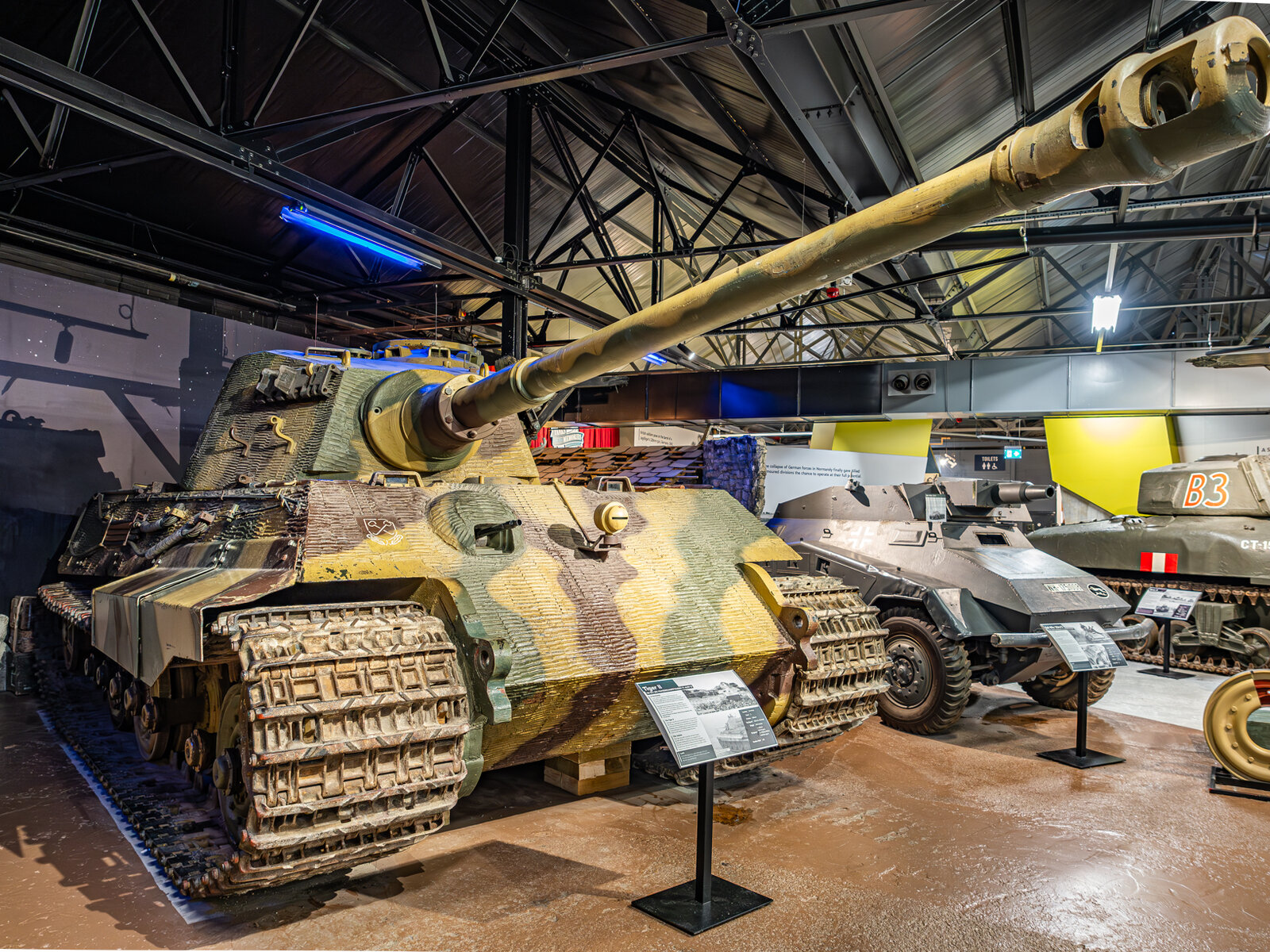
The Bovington Tank Museum, located in Dorset, England, is one of the world’s leading institutions dedicated to the history and preservation of armored warfare. Founded in 1947, the museum is home to one of the most comprehensive and significant collections of military vehicles in the world. Its collections span the history of tanks, from their early development during World War I to the modern armored vehicles used by military forces today. The Bovington Tank Museum is not just a place to view tanks but a hub for learning about the evolution of armored warfare and the individuals who shaped it.
Origins of the Bovington Tank Museum
The Bovington Tank Museum’s origins trace back to the establishment of the British Army’s Armoured Fighting Vehicle School in 1940 at the Bovington Camp, which is located in the rural county of Dorset. The school was created to train soldiers in the use of tanks, which had become pivotal in modern warfare, particularly after the successful use of the tank on the battlefield during World War I. As the British military began to expand its use of tanks, there was a growing need for a central institution that could not only teach tank tactics and operations but also preserve important examples of armored vehicles for training and historical purposes.
The first tanks used by the British Army were developed during World War I, and Bovington was the location where many of these early vehicles were first tested and deployed. In the years following World War II, the British Army realized the importance of preserving the history of the tank, and thus, the Tank Museum was born. The museum’s first major acquisition was a tank from World War I, marking the beginning of what would become a remarkable collection.
The Development of the Collection
The Bovington Tank Museum’s collection grew steadily over the decades, especially as military forces around the world decommissioned older armored vehicles. In addition to British tanks, the museum sought out examples of tanks used by other nations, such as German, American, French, and Soviet designs. As tank development continued through the 20th century and into the 21st century, the museum expanded its holdings to include more modern armored vehicles, keeping the collection up to date with the changing nature of warfare.
One of the museum’s most prized acquisitions is the German Tiger I tank, a heavily armored and powerful vehicle used by the Nazi German forces during World War II. The museum’s Tiger I is one of the few surviving examples of this iconic tank and has become a focal point for visitors interested in the history of World War II and the technological advancements of the German military. Another notable acquisition is the Centurion, a British tank that was developed in the post-World War II era and saw service in conflicts such as the Korean War and the Falklands War.
The museum’s commitment to preserving the history of armored warfare has extended to acquiring tanks used in more recent conflicts, such as the Challenger 2, which is the current main battle tank of the British Army. The museum has a wide-ranging collection that spans from early tanks to the cutting-edge military vehicles used by modern armies.
Key Exhibits and Tanks at Bovington
The Bovington Tank Museum is home to over 300 vehicles, with highlights from every major era of armored warfare. These tanks and military vehicles are displayed in thematic exhibitions that cover various aspects of tank development, combat, and technological innovation.
1. World War I and the Birth of the Tank
The museum’s exhibit on World War I showcases the very first tanks ever built, which were developed to break the stalemate of trench warfare. The Mark I, the world’s first-ever tank, was used by the British Army during the Battle of the Somme in 1916. A replica of the Mark I is one of the museum’s most popular exhibits, and it offers visitors an insight into the early experimental designs that led to the creation of the modern tank. Visitors can explore the evolution of tank design from these early models, which were often unreliable and difficult to maneuver, to the more advanced and combat-effective machines that would dominate the battlefields of the 20th century.
2. World War II and the Iconic Tanks
World War II saw the development of some of the most famous and feared tanks in history. The museum’s collection of World War II tanks includes the Tiger I, the Panther, the Sherman, and the Churchill. Each of these tanks represents a different approach to armored warfare and serves as a testament to the technological advancements made during the war.
The Tiger I, with its thick armor and powerful 88mm gun, was one of the most formidable tanks of the war, feared by Allied forces for its effectiveness on the battlefield. The museum’s Tiger I tank is one of only a handful of surviving examples, making it an invaluable piece of military history.
The Sherman, on the other hand, was the most widely produced tank of World War II and was used by the United States and its Allies. Known for its reliability and versatility, the Sherman played a critical role in the defeat of Nazi Germany. The museum’s Sherman Firefly, a variant of the Sherman fitted with a British 17-pounder anti-tank gun, is one of the key exhibits.
3. Cold War and Modern Tanks
The Cold War marked a new era in the development of tanks, as the threat of nuclear conflict between the Soviet Union and the Western powers led to significant changes in military strategy and technology. The Bovington Tank Museum features several key examples of Cold War-era tanks, including the T-55 and the Chieftain.
The Chieftain, developed by the British Army in the 1960s, was one of the most advanced tanks of its time. The T-55, used by the Soviet Union, was one of the most widely used tanks in the Cold War and was involved in many conflicts, including the Arab-Israeli wars.
The museum’s collection also includes examples of modern armored vehicles, such as the British Challenger 2 and the M1 Abrams, which remains the primary main battle tank of the United States military. These modern tanks represent the cutting-edge of tank technology, with advanced armor, firepower, and mobility.
4. Interactive Displays and Learning Opportunities
In addition to its impressive collection of tanks, the Bovington Tank Museum also features a variety of interactive displays and learning opportunities for visitors. The museum regularly hosts educational programs, including live demonstrations, lectures, and hands-on activities for all ages. Visitors can take part in special events such as tank driving experiences and get up close with the vehicles to learn about their operation and history.
One of the museum’s standout features is its immersive Warhorse to Horsepower exhibition, which highlights the evolution of military vehicles, from the use of horses in warfare to the development of modern armored vehicles. This exhibit helps visitors understand the significant technological and tactical changes that occurred over the course of the 20th century.
The Museum’s Role in Preservation and Education
The Bovington Tank Museum plays a vital role in preserving the history of armored warfare and educating the public about the development and impact of tanks. The museum is not only a center for military history but also a place where visitors can explore the technological and cultural significance of armored vehicles. Through its exhibitions, educational programs, and preservation efforts, the Bovington Tank Museum helps to ensure that the history of tanks and armored warfare is remembered and understood by future generations.
The museum is also involved in ongoing research and conservation work, ensuring that its collection remains accessible and well-preserved for years to come. The museum’s curators work closely with historians, military experts, and restorers to maintain the integrity of the tanks and vehicles in their care.
Conclusion
The Bovington Tank Museum is an institution that plays a crucial role in preserving the history of armored warfare and providing educational opportunities for visitors. With its extensive collection of tanks and military vehicles, the museum offers a unique insight into the development of these machines and their role in shaping modern warfare. Whether exploring the early days of tank design or learning about the cutting-edge technology used by today’s military forces, visitors to the Bovington Tank Museum can gain a deeper understanding of the power, technology, and history behind the tanks that have shaped the course of conflicts around the world.
