
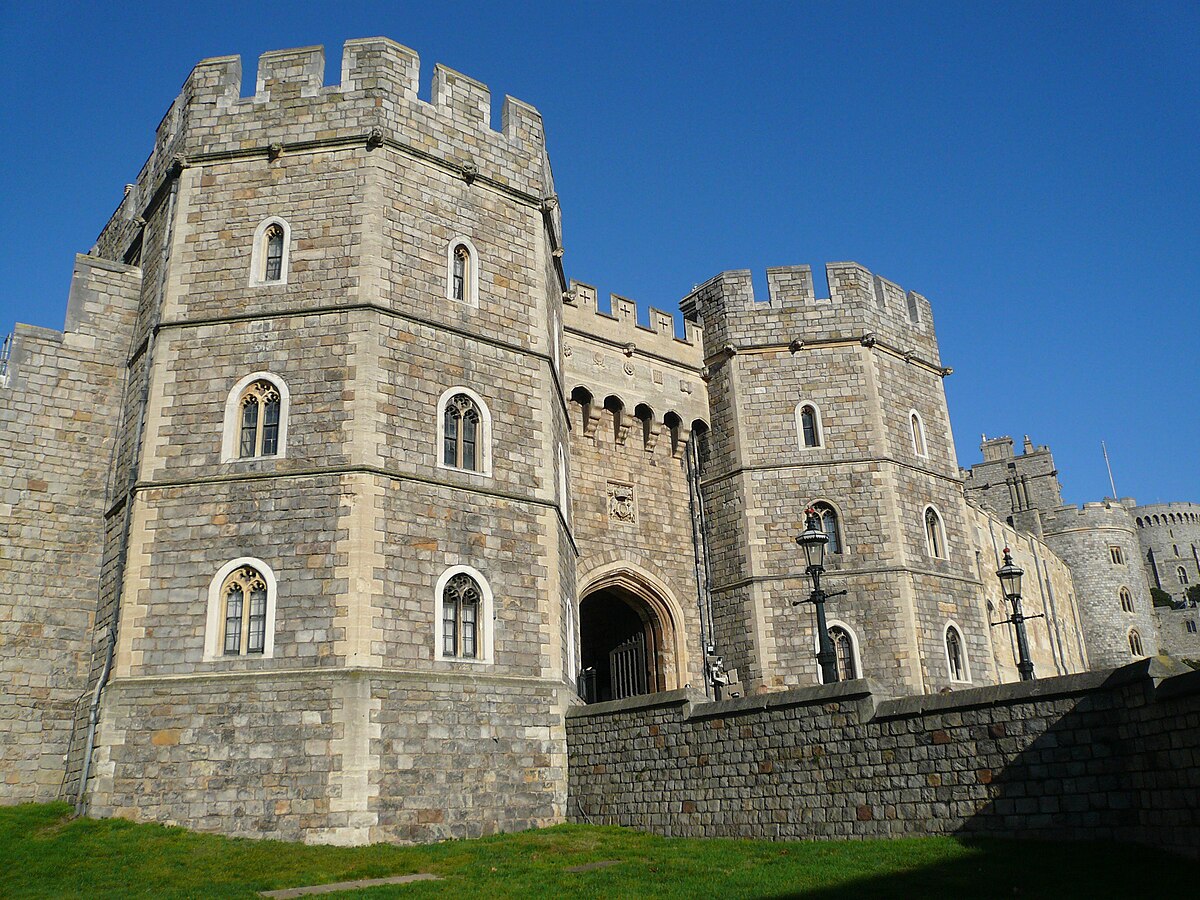
Windsor Castle stands as one of the most remarkable and enduring symbols of British history, monarchy, and architecture. Located in the historic town of Windsor in Berkshire, overlooking the River Thames, the castle is the oldest and largest occupied castle in the world. For nearly a thousand years it has served as a royal residence, fortress, and ceremonial centre, adapting to the changing needs of successive monarchs while retaining its central place in the life of the nation. More than just a tourist attraction, Windsor Castle is a living institution, deeply woven into the political, cultural, and personal history of the British royal family.
Origins and Norman Foundations
The origins of Windsor Castle date back to shortly after the Norman Conquest of 1066. William the Conqueror recognised the strategic importance of the site, which lay close to London and guarded a key crossing of the River Thames. Around 1070, he ordered the construction of a motte-and-bailey castle made primarily of timber. This early structure was designed for defence rather than comfort, serving as a military stronghold to secure Norman control over the surrounding area.
Over time, the wooden fortifications were replaced with stone, transforming Windsor into a more permanent and imposing structure. The central motte was crowned with what would become the Round Tower, a defining feature of the castle’s skyline. Although the tower has been rebuilt and modified over the centuries, its origins reflect the castle’s early defensive purpose and Norman architectural influence.
Medieval Expansion and Royal Residence
It was during the reign of Henry II in the 12th century that Windsor Castle began its transformation from a fortress into a royal residence. Henry invested heavily in rebuilding the castle in stone, constructing royal apartments and reinforcing its walls. His successors continued this work, gradually enhancing the castle’s comfort and prestige.
Edward III, who was born at Windsor Castle in 1312, had a particularly profound impact on its development. In the mid-14th century, he undertook a massive rebuilding programme, spending vast sums to remodel Windsor as a grand Gothic palace. This ambitious project reflected Edward’s desire to assert royal authority and rival the great courts of Europe. Under his patronage, Windsor became not only a residence but also a symbol of chivalry and kingship.
It was Edward III who founded the Order of the Garter in 1348, England’s oldest and most prestigious order of chivalry. St George’s Chapel, constructed later within the castle grounds, became the spiritual home of the Order. The annual Garter Day ceremony, still held today, reinforces Windsor Castle’s enduring role in royal tradition.
St George’s Chapel: A Masterpiece of Gothic Architecture
One of the most significant and admired features of Windsor Castle is St George’s Chapel. Built primarily during the late 15th and early 16th centuries under Edward IV and Henry VII, the chapel is a masterpiece of Perpendicular Gothic architecture. Its soaring stone fan vaults, intricate carvings, and magnificent stained-glass windows create a space of solemn beauty and grandeur.
St George’s Chapel is not only architecturally impressive but also historically and spiritually significant. It has been the setting for numerous royal weddings, funerals, and ceremonies. Notable weddings include those of Prince Harry and Meghan Markle in 2018, and Princess Eugenie and Jack Brooksbank later the same year. The chapel is also the final resting place of several monarchs, including Henry VIII, Charles I, and more recently Queen Elizabeth II, whose burial there in 2022 added a new and poignant chapter to the chapel’s long history.
Tudor and Stuart Periods
During the Tudor era, Windsor Castle remained an important royal residence, although monarchs such as Henry VIII and Elizabeth I often preferred other palaces. Henry VIII did, however, make use of Windsor for state occasions and hunting, and he is buried within the castle grounds. Elizabeth I found Windsor a place of refuge during times of political instability, particularly when London was threatened by plague.
The 17th century brought significant upheaval to both the monarchy and Windsor Castle. During the English Civil War, the castle was seized by Parliamentary forces and used as a military headquarters. King Charles I was imprisoned at Windsor in 1648 before his execution, marking one of the darkest moments in the castle’s history. Following the Restoration of the monarchy in 1660, Charles II sought to revive Windsor’s status, redesigning parts of the interior in a Baroque style inspired by the grandeur of French palaces such as Versailles.
Georgian Decline and Victorian Revival
By the 18th century, Windsor Castle had fallen into relative neglect. Although still used occasionally, it was overshadowed by other royal residences. This changed dramatically in the 19th century under the reign of Queen Victoria. Windsor held deep personal significance for Victoria and her husband, Prince Albert, and it became their principal royal home.
A vast restoration and remodelling programme was undertaken, largely overseen by architect Sir Jeffry Wyatville. The castle’s exterior was transformed to give it a more uniform and imposing appearance, while the interiors were lavishly redecorated. The Round Tower was raised to enhance the castle’s dominance of the surrounding landscape, and new state rooms were created to reflect the power and prestige of the British Empire at its height.
Under Victoria, Windsor Castle became not only a family home but also a centre of royal ceremony and diplomacy. State banquets, receptions, and visits by foreign dignitaries reinforced its role as a symbol of imperial Britain.
The State Apartments and Ceremonial Role
Today, the State Apartments of Windsor Castle are among the most magnificent in the United Kingdom. Lavishly furnished with priceless works of art from the Royal Collection, they include paintings by masters such as Rembrandt, Rubens, and Van Dyck. These rooms are still used for official functions, including state visits and investitures, underscoring the castle’s continuing relevance.
One of the most impressive spaces is St George’s Hall, a vast banqueting hall that runs the length of the Upper Ward. Restored following a devastating fire in 1992, the hall features a hammerbeam roof adorned with the coats of arms of Knights of the Garter. The restoration itself was widely praised for blending traditional craftsmanship with modern techniques, symbolising the resilience and adaptability of the castle.
The 1992 Fire and Restoration
On 20 November 1992, a major fire broke out at Windsor Castle, causing extensive damage to the State Apartments. Images of the burning castle shocked the nation and raised questions about the future of royal heritage sites. Over 100 rooms were affected, including several of great historical significance.
The subsequent restoration was one of the largest conservation projects ever undertaken in Britain. Completed in 1997, it aimed not simply to recreate what had been lost, but to respect the historical evolution of the castle. Traditional materials and methods were used wherever possible, while subtle modern elements were incorporated to improve safety and functionality. The successful restoration reaffirmed Windsor Castle’s place as a living monument rather than a static relic.
Windsor Castle Today
In the modern era, Windsor Castle continues to serve as an official residence of the reigning monarch. It is frequently used for state occasions and ceremonial events, while also welcoming millions of visitors each year. The balance between public access and private royal use reflects the castle’s unique dual role as both home and heritage site.
Beyond its walls, Windsor Castle remains a powerful symbol of continuity. It has witnessed wars, political revolutions, cultural transformations, and personal triumphs and tragedies within the royal family. Few buildings in the world can claim such an unbroken connection to the past while remaining so firmly part of the present.
Conclusion
Windsor Castle is far more than an architectural marvel or tourist destination. It is a living chronicle of British history, embodying nearly a millennium of monarchy, tradition, and national identity. From its Norman foundations to its role in modern royal life, the castle has continually evolved while preserving its essential character. Whether viewed as a fortress, palace, place of worship, or symbol of state, Windsor Castle stands as one of the most enduring and evocative landmarks in the United Kingdom, offering a tangible link between the past and the present for generations to come.
