
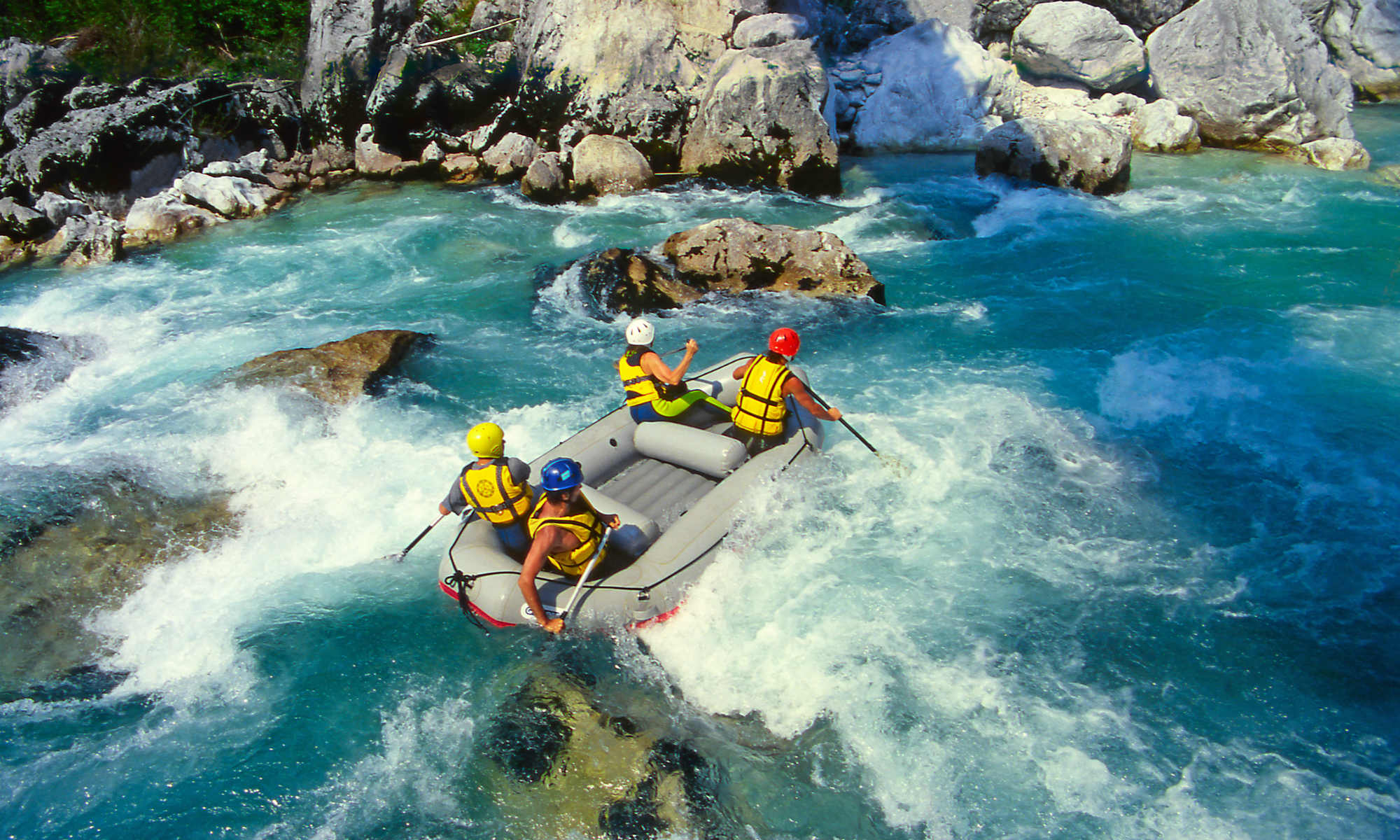
The summer I spent working at Camp America in North Carolina was full of new experiences, challenges, and moments that pushed me far beyond my comfort zone. I had signed up for the program expecting a combination of structured camp duties and occasional recreational activities, but nothing could have prepared me for the day I found myself guiding a group of children down a white water river — on my own.
I had assumed that, like most of the adventure activities offered at camp, there would be a professional guide leading us through the rapids, giving instructions, ensuring safety. I was expecting to sit back and watch, perhaps cheering from the back of the raft. Instead, I learned that because I was one of the camp counsellors, it would be my responsibility to lead the raft, navigating both the river and the children entrusted to my care.
Preparation and First Impressions
The morning began with the usual summer camp energy: the air buzzing with excitement, the smell of pine and river mist mingling with sunscreen, and kids chatting and laughing with a mix of anticipation and nervousness. My group, about eight children ranging from around ten to fourteen years old, were all geared up in helmets, life jackets, and paddles, looking at me for reassurance.
Never had a responsibility like this: guiding others through unpredictable rapids. As I looked at the river, a gleaming ribbon of water tumbling over rocks and swirling through narrow channels, my heart rate increased.
The river was alive. Small waves splashed against boulders, foamy white water churned in unexpected pockets, and undercurrents hinted at hidden challenges. What had seemed like a controlled adventure from the shore became immediately intense when I realised I had to read the river, anticipate its movements, and keep everyone safe.
Taking Charge
After a brief instruction session from the camp coordinator — which was far more of a summary than a comprehensive guide — it was time to board. I helped the children into the raft, checked life jackets, reminded them of paddle commands, and tried to radiate calm. The irony, of course, was that internally I felt every bit as nervous as the children.
Once we were on the water, the reality hit me. The raft responded instantly to every shift in weight and paddle stroke. I had to maintain balance while steering, adjusting speed, and giving commands. My voice, which had spent the first part of camp giving instructions for games and camp chores, now had to cut through the roar of rapids and the excited chatter of the children.
“Paddle forward!” I shouted.
“Lean left!” I added, as a sudden wave threatened to tip the raft.
“Hold on tight!”
Every instruction mattered. Every second counted. And, of course, the children looked to me for guidance, trust evident in their wide-eyed expressions.
The Rapids
The first set of rapids was small — a gentle introduction that allowed me to test both the raft and the children. Despite its size, it was enough to create a sense of exhilaration. Water splashed over the sides, soaking everyone instantly, and shouts of excitement mixed with nervous laughter filled the air.
From that moment, I realised two things: first, I was capable of handling the raft and leading the children safely; second, the kids’ energy was contagious. Their trust and enthusiasm gave me courage, and even in the moments of uncertainty, I felt a shared thrill that bonded us instantly.
As we progressed, the river became more challenging. Currents twisted unpredictably, waves collided in foam-tipped chaos, and rocks lurked just beneath the surface. Each rapid demanded careful reading of the water. I had to anticipate sudden drops, navigate around hidden obstacles, and keep the raft level so no one fell overboard.
There were moments of pure adrenaline. A wave would hit, tossing water into the raft, and I would shout commands while gripping the oars with all my strength. The children clung to the sides, laughing and screaming, and I realised that the combination of fear and excitement created a unique energy — a shared, living moment of adventure.
Teaching and Leadership on the Fly
Being a counsellor guiding kids down rapids required more than just paddling skill. It required leadership under pressure, quick thinking, and empathy. One child panicked at the sight of a particularly choppy section. Another was overconfident, leaning too far forward and risking imbalance. I had to adapt my approach constantly — reassuring, instructing, and adjusting strategy in real-time.
I remember one particular rapid: a swirling section where the water split around a cluster of rocks. I shouted instructions, demonstrating where to paddle and how to lean. The children followed, some hesitantly, others with surprising precision. By the time we cleared it, the smiles on their faces — wide, triumphant, and relieved — made the moment unforgettable.
It was a lesson in trust. They trusted me to guide them safely; I trusted the raft, the river, and my own judgment. And in those moments, the river became not just a challenge, but a classroom — teaching lessons about responsibility, courage, and teamwork that were more lasting than anything a camp activity could provide on land.
The Physical and Emotional Challenge
White water rafting is physically demanding. Steering the raft, maintaining balance, and paddling through resistance taxed every muscle in my body. The sun beat down, water constantly splashed over us, and the adrenaline rush left me both exhausted and exhilarated.
Emotionally, it was equally intense. I had never felt the weight of responsibility in such a direct, visceral way. At camp, you guide and supervise, yes, but this was different. One wrong move, one misjudged wave, and the consequences could be immediate. That combination of danger, responsibility, and excitement was both humbling and empowering.
Connection with the Children
One of the most rewarding aspects of the experience was seeing the children grow in confidence as the trip progressed. What began as hesitant paddling and nervous glances transformed into coordinated strokes, shouts of encouragement to each other, and laughter that echoed across the river.
At moments when I felt unsure, their trust in me grounded me. At moments when they faced fear, my guidance became crucial. By the end of the ride, there was a tangible sense of accomplishment, not just mine, but shared between all of us. The river had tested us, challenged us, and ultimately rewarded us with a collective sense of achievement.
Reflections on Responsibility
Looking back, I realise that guiding a group of children down a white water river taught me more about leadership than any classroom or structured activity ever could. It wasn’t just about skill or knowledge; it was about presence, awareness, and adaptability. The river demanded attention in the moment, and it rewarded focus and care with success.
I also learned about trust — in oneself, in others, and in the environment. The raft, the river, and the children all required respect. Overconfidence could be dangerous, hesitation could be paralyzing, and awareness was everything.
The Ride Back to Shore
When we finally approached the calmer waters near the end of the river, there was a collective exhale. The children cheered, drenched and exhilarated, while I felt a mix of exhaustion and satisfaction. Pulling the raft onto the shore, helping everyone out, and checking that no one had been injured, I experienced a quiet pride.
This was more than an adventure activity. It was a culmination of everything that Camp America had instilled in us: responsibility, adaptability, teamwork, and courage. The river, wild and unpredictable, had tested us all — and we had risen to meet it.
Lessons Learned
White water rafting with the children reinforced lessons that I would carry far beyond camp:
- Leadership is active: guiding others requires more than instruction; it requires awareness, adaptability, and calm under pressure.
- Responsibility is real: the safety of others is tangible and immediate, and must be approached with care and respect.
- Trust is reciprocal: children trusted me, and I trusted them to listen and follow guidance. That mutual trust made the difference.
- Adventure teaches growth: facing fear, uncertainty, and challenge provides lessons that no structured activity can replicate.
Conclusion
White water rafting during my time at Camp America was one of the defining moments of that summer. What had begun as a simple expectation of watching a guide became a lesson in courage, leadership, and responsibility. The rapids, unpredictable and alive, demanded focus, skill, and presence. The children, trusting and energetic, transformed the experience into a shared journey.
By the time we reached the shore, I realised that I had gained more than just an adventure story. I had learned what it meant to lead under pressure, to trust instinct and preparation, and to find confidence in unexpected circumstances. That day on the river remains one of my clearest memories of growth — a moment when challenge and responsibility merged into exhilaration, teaching lessons I would carry long after Camp America ended.
