
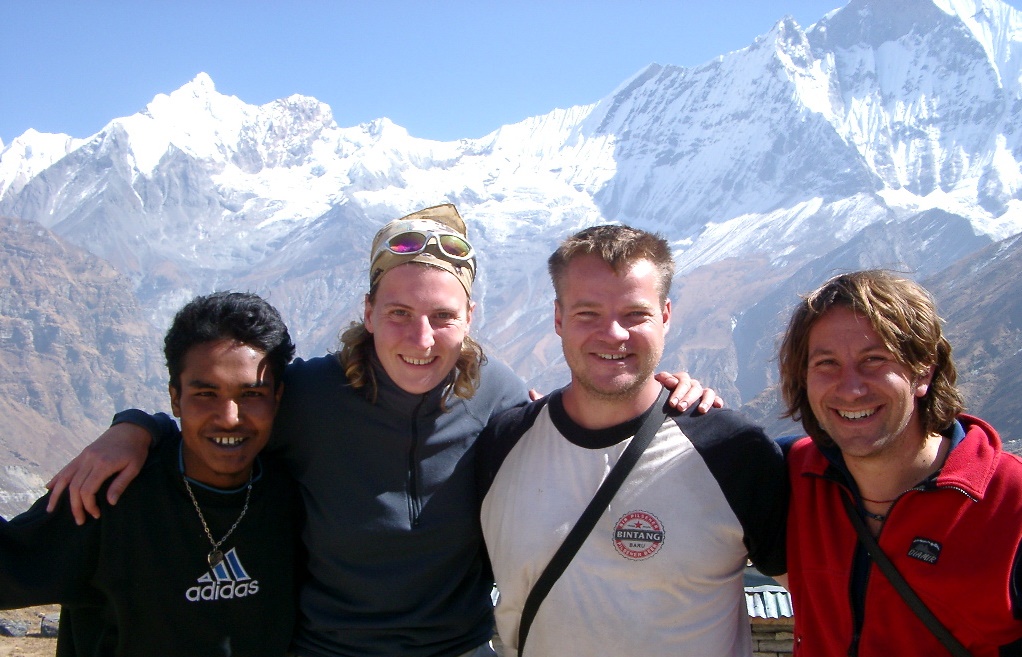
Trekking to Annapurna Base Camp (ABC) is an experience that combines physical challenge, natural grandeur, cultural immersion, and deep personal reflection. Unlike long, circuit-style treks that unfold gradually over weeks, the journey to Annapurna Base Camp feels more focused and purposeful — a steady progression toward a single, dramatic goal. The reward for the effort is immense: standing in a high-altitude amphitheatre surrounded by some of the most iconic peaks in the Himalayas.
Setting Out: Anticipation and Purpose
The trek typically begins in the foothills of Nepal, where the landscape is lush and alive with colour. Terraced rice fields climb the hillsides, rivers rush through narrow valleys, and villages cling to the slopes. The air is warm and heavy at lower elevations, a stark contrast to the icy conditions that await higher up.
From the outset, there is a strong sense of anticipation. Unlike some treks where the destination feels abstract, Annapurna Base Camp is a clearly defined place — a name that carries weight. Every step feels like part of a direct journey toward the heart of the Annapurna massif.
The early days are physically demanding, with endless stone steps leading up and down through forested hills. Rhododendron trees arch overhead, especially vibrant during blooming season, and the trail often echoes with the sounds of birds and flowing water. Despite the effort, spirits remain high, fuelled by excitement and the camaraderie of fellow trekkers.
Life Along the Trail
One of the defining aspects of the Annapurna Base Camp trek is the rhythm of daily life on the trail. Days are structured simply: wake early, eat, walk, rest, and repeat. This routine quickly becomes grounding. Freed from the distractions of modern life, attention shifts to the essentials — weather, energy levels, and the next meal.
Teahouses serve as both shelter and social hubs. Evenings are spent warming up by communal fires, sharing meals of dal bhat, noodles, and tea. Conversations flow easily among trekkers from around the world, bonded by shared effort and mutual respect for the mountains.
Local hosts are unfailingly welcoming. Despite the remoteness of many villages, hospitality is generous, and small gestures — a smile, a hot drink, a simple encouragement — carry enormous weight after a long day’s walk.
Ascending Through Changing Landscapes
As altitude increases, the environment begins to change noticeably. Dense forests gradually thin, and views open up to reveal towering peaks in the distance. The first clear sight of Annapurna South or Machapuchare (Fishtail Mountain) often stops trekkers in their tracks.
Machapuchare, with its distinctive twin peaks, holds special significance. Sacred and unclimbed, it dominates the skyline for much of the trek, serving as both a visual guide and a spiritual presence. Its sharp silhouette against the sky feels almost unreal, particularly at sunrise and sunset when the light transforms its snow-covered slopes.
Rivers fed by glacial melt run alongside the trail, their icy waters a constant reminder of the environment’s power. Suspension bridges sway gently over deep gorges, adding moments of adrenaline and awe.
Physical and Mental Challenges
While the Annapurna Base Camp trek is accessible compared to some Himalayan expeditions, it is far from easy. The repeated ascent and descent of stone staircases is relentless, testing knees and endurance. As altitude increases, the air grows thinner, and fatigue becomes more pronounced.
Acclimatisation is crucial. Although the trek is shorter than the Annapurna Circuit, the rapid gain in altitude demands careful pacing. Headaches, breathlessness, and disturbed sleep are common, requiring attentiveness to the body’s signals.
Mentally, the trek demands patience. Progress can feel slow, especially on steep sections where each step requires effort. Yet these moments also foster resilience. Learning to slow down, to breathe deeply, and to move steadily becomes part of the journey.
Entering the Sanctuary
The final approach to Annapurna Base Camp is unforgettable. After passing through Machapuchare Base Camp, the landscape opens into the Annapurna Sanctuary — a natural bowl surrounded by towering peaks. The sense of arrival is profound.
The terrain here feels stark and raw. Vegetation is minimal, replaced by rocky ground and snow patches. The air is crisp and thin, and the silence is striking. Peaks rise sharply on all sides, their scale overwhelming.
Standing at Annapurna Base Camp, at around 4,130 metres, the reality of the setting fully sinks in. Annapurna I, one of the world’s highest and most dangerous mountains, looms nearby, its massive face both beautiful and intimidating. Other peaks — Hiunchuli, Annapurna South, and Machapuchare — complete the amphitheatre.
Sunrise at Base Camp
One of the most magical moments of the trek is sunrise at Annapurna Base Camp. As the first light touches the peaks, the mountains shift through shades of pink, gold, and white. Shadows retreat, revealing details in the rock and ice that were hidden in darkness.
The cold is intense in the early morning, but few are willing to stay inside. Trekkers gather outside, wrapped in layers, cameras in hand, united by a shared sense of wonder. The moment feels almost sacred — a quiet acknowledgment of having reached somewhere extraordinary.
Reflection in the Mountains
Being at base camp invites reflection. The journey there has demanded effort, discipline, and adaptability. Standing in the heart of the Himalayas, it becomes clear that the experience is about more than physical achievement.
The mountains impose humility. Their scale and permanence dwarf human concerns, yet they also inspire. There is a sense of connection — to the natural world, to the people who live and trek here, and to something deeper and more timeless.
The Descent
Descending from Annapurna Base Camp brings mixed emotions. Relief comes with easier breathing and warmer temperatures, but there is also a reluctance to leave the sanctuary behind. Each step downward marks a return to the ordinary world.
The landscape transforms once more as forests reappear and villages feel livelier. Reflections deepen during the descent, as the physical challenge gives way to mental processing of the experience.
Lasting Impact
The Annapurna Base Camp trek leaves a lasting impression. It reshapes perceptions of comfort, effort, and simplicity. The memories of early mornings, shared meals, and towering peaks linger long after the journey ends.
Conclusion
Trekking to Annapurna Base Camp is a journey into the heart of the Himalayas and into oneself. It is demanding yet accessible, challenging yet deeply rewarding. The experience offers more than spectacular views; it offers perspective, resilience, and a renewed appreciation for the natural world.
Standing at Annapurna Base Camp, surrounded by giants of stone and ice, one understands why people return to the mountains again and again. The trek is not just about reaching a destination — it is about the transformation that happens along the way.
