
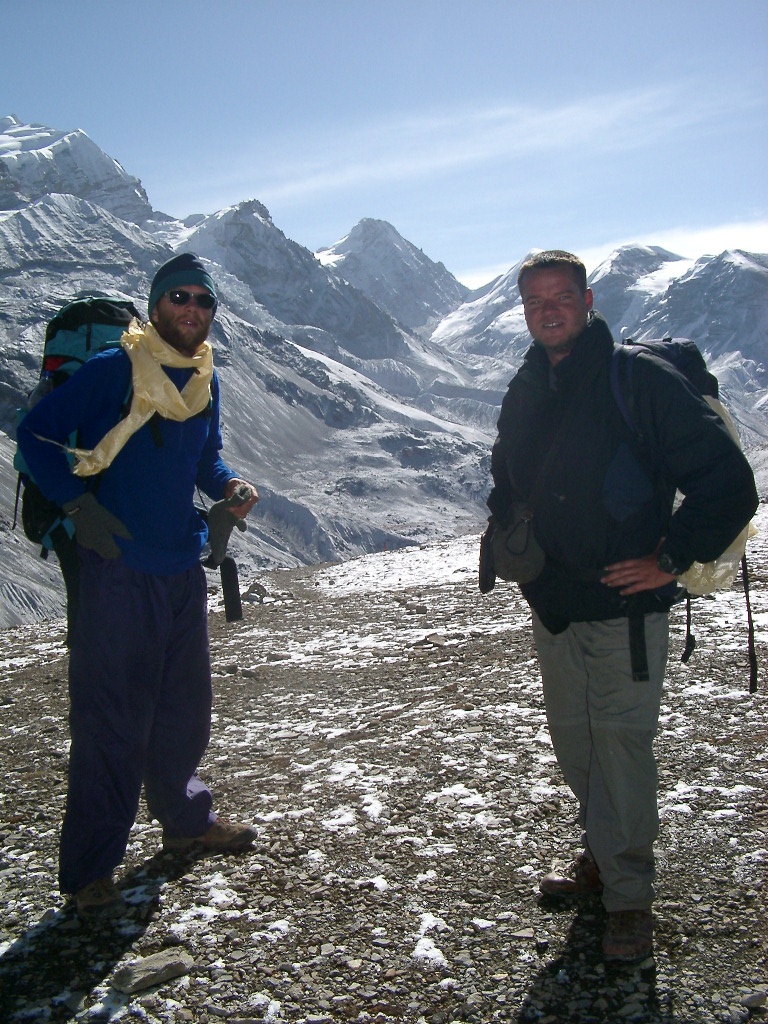
Trekking the Annapurna Circuit is not simply a long walk through the Himalayas; it is a journey through geography, culture, endurance, and self-reflection. Often described as one of the world’s greatest treks, the circuit encircles the Annapurna Massif and takes trekkers through an astonishing variety of landscapes, from subtropical valleys and terraced farmland to arid high-altitude deserts and snow-covered passes. Completing it is as much a mental challenge as it is a physical one, and the experience lingers long after the boots are put away.
The Beginning: Anticipation and First Steps
The trek begins modestly, often in the lowlands of Nepal where the air is warm, the vegetation lush, and life feels vibrant and close. Villages bustle with activity: children walking to school, farmers tending fields, and porters carrying astonishing loads along narrow trails. At this early stage, the Himalayas feel distant — towering shapes on the horizon rather than immediate obstacles.
There is a sense of excitement mixed with apprehension. The circuit is long, typically taking two to three weeks, and the sheer scale of what lies ahead can feel overwhelming. Yet the early days are deceptively gentle. Paths wind through forests of bamboo and rhododendron, across suspension bridges that sway above roaring rivers, and through villages where teahouses offer warm meals and simple beds.
These initial days provide time to adjust, both physically and mentally. The body begins to find a rhythm: walking, resting, eating, and sleeping in a steady cycle. The mind gradually sheds the distractions of everyday life.
Villages, Culture, and Human Connection
One of the most enriching aspects of the Annapurna Circuit is the cultural journey it offers. Each village reflects a different blend of ethnic groups, traditions, and beliefs. Lower down, Hindu influences are more prominent, with temples and prayer shrines tucked into the landscape. As altitude increases, Tibetan Buddhist culture becomes increasingly visible — prayer wheels, mani stones carved with mantras, and brightly coloured prayer flags fluttering in the wind.
Teahouses become places of connection. Evenings are spent sharing meals with fellow trekkers from around the world, swapping stories, comparing routes, and offering encouragement. Conversations flow easily when everyone shares the same simple routine and common goal.
The hospitality of local people leaves a lasting impression. Despite living in harsh environments with limited resources, hosts are warm and welcoming. A cup of hot tea or a simple smile can lift spirits after a long day’s walk.
Changing Landscapes
One of the Annapurna Circuit’s greatest strengths is its diversity of scenery. Over the course of the trek, the landscape transforms dramatically. Dense forests give way to open valleys, and green hills slowly transition into rocky, barren terrain.
As altitude increases, vegetation thins and the air becomes noticeably cooler. Snow-capped peaks dominate the skyline, their scale both awe-inspiring and humbling. Rivers carve deep gorges through the land, and waterfalls tumble down cliffs, fed by melting glaciers above.
The sense of scale is constant. Mountains rise sharply from the valley floor, their peaks disappearing into clouds. Walking among them, it is impossible not to feel small.
The Physical Challenge
As the days progress, the physical demands of the trek become more apparent. Distances are long, elevation gains relentless, and rest days are essential for acclimatisation. Simple tasks like climbing stairs or lifting a backpack begin to feel more strenuous as oxygen levels drop.
Altitude sickness is a constant consideration. Listening to the body becomes critical. Headaches, nausea, and fatigue are common, and pushing too hard can have serious consequences. Rest days in villages such as Manang are vital, allowing the body to adapt while offering opportunities to explore the surrounding area.
Despite the challenges, there is a sense of strength that grows with each passing day. Muscles adapt, confidence builds, and what once felt difficult becomes manageable.
The High Himalaya
Above Manang, the landscape takes on a stark, otherworldly beauty. The terrain becomes dry and windswept, resembling a high-altitude desert. Colours are muted: browns, greys, and whites dominate, punctuated by the bright flutter of prayer flags.
Temperatures drop sharply, especially at night. Frost coats the ground in the early mornings, and breath hangs in the air. Walking becomes slower, more deliberate. Every step requires effort, but the views are extraordinary.
This is where the mental aspect of the trek becomes most important. Fatigue accumulates, and the days feel long. Yet there is also a profound sense of focus. Life has been reduced to essentials: walking, eating, staying warm, and resting.
Crossing Thorong La Pass
The crossing of Thorong La Pass, at approximately 5,416 metres, is the defining moment of the Annapurna Circuit. It is the highest point of the trek and often the most challenging day.
The day begins before dawn. Headlamps cut through the darkness as trekkers set off in freezing temperatures. The trail climbs steadily, winding upward through rocky terrain and snow patches. The air is thin, making every movement feel slow and deliberate.
Reaching the pass is an emotional moment. Prayer flags mark the summit, snapping fiercely in the wind. The sense of achievement is overwhelming. Looking out across the surrounding peaks, there is a feeling of triumph tempered by humility. The mountains remain indifferent to human effort, yet standing there feels deeply personal.
The descent on the other side is long and taxing, but the relief of lower altitude is immediate. Breathing becomes easier, and warmth gradually returns.
Reflection and Descent
Descending into the Mustang region, the landscape changes once again. The rain shadow creates dry, rugged terrain with dramatic cliffs and deep valleys. Villages feel remote and timeless, their stone houses blending into the landscape.
With the hardest physical challenge behind, there is more space for reflection. Thoughts turn to the journey as a whole — the friendships formed, the challenges overcome, and the simplicity of life on the trail.
Emotional Impact
Trekking the Annapurna Circuit is emotionally transformative. The combination of physical exertion, natural beauty, and cultural immersion creates a deep sense of connection — to the land, to others, and to oneself.
There are moments of exhaustion and doubt, but also moments of pure joy: the first glimpse of a peak at sunrise, laughter shared over a meal, or the quiet satisfaction of completing another day.
Conclusion
Completing the Annapurna Circuit is an experience that reshapes perspective. It teaches patience, resilience, and respect for nature. It strips life back to its essentials and, in doing so, reveals what truly matters.
Long after the trek ends, memories of the mountains remain vivid — the thin air, the vast skies, the rhythm of walking day after day. The Annapurna Circuit is not just a route through the Himalayas; it is a journey inward, one that leaves a lasting imprint on those who walk it.
