
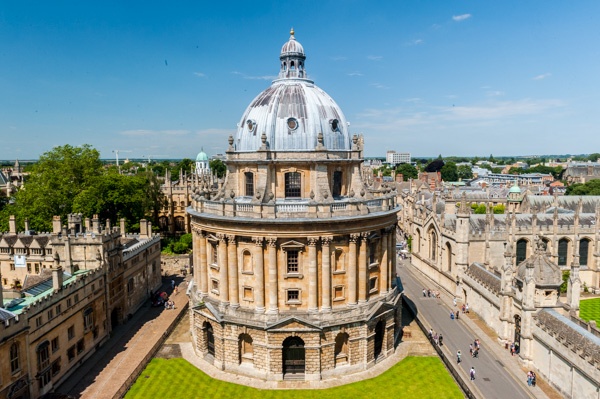
Oxford, located in Oxfordshire, southern England, is one of the most iconic and intellectually significant cities in the world. Renowned for its prestigious university, rich history, striking architecture, and deep-rooted cultural legacy, Oxford has long served as a beacon of knowledge and tradition. The city is not only a hub for academic excellence but also a vibrant place with diverse communities, historic landmarks, and a thriving cultural scene. From the medieval spires that pierce the skyline to the serene banks of the River Thames, Oxford stands as a symbol of both continuity and change, bridging past and future through education, innovation, and heritage.
Origins and Historical Foundations
The origins of Oxford can be traced back to the early Saxon period. Its name comes from “Oxenaforda,” meaning a ford (shallow crossing) for oxen. The settlement began as a crossing point on the River Thames, known locally as the Isis, and the River Cherwell. By the 10th century, Oxford had grown into a significant town with religious importance and strategic value.
The city’s fame, however, is indelibly tied to the University of Oxford, which is believed to have been founded in the 12th century. Though the exact date remains uncertain, teaching in Oxford was recorded as early as 1096. The university grew rapidly after 1167 when King Henry II banned English students from attending the University of Paris, prompting many scholars to relocate to Oxford.
Over the centuries, Oxford developed into a centre of intellectual and religious debate. It played a key role during the English Reformation, the Civil War, and the Enlightenment. Its colleges became homes to many of Britain’s most influential minds, and its libraries, such as the Bodleian Library, grew into monumental collections of human knowledge.
The University of Oxford
The University of Oxford is arguably the most renowned feature of the city. It is the oldest university in the English-speaking world and consistently ranks among the best globally. The university consists of 39 independent colleges and six permanent private halls, each with its own distinct traditions, administration, and architecture.
Oxford has educated a vast array of notable figures including 30 British Prime Ministers, over 70 Nobel Prize winners, and countless writers, philosophers, scientists, and world leaders. Among the most famous alumni are Sir Isaac Newton, Stephen Hawking, Oscar Wilde, T.S. Eliot, Margaret Thatcher, Indira Gandhi, and Malala Yousafzai.
Academic life in Oxford is marked by its unique tutorial system, where students engage in intensive, one-on-one discussions with expert tutors. This method fosters critical thinking, debate, and intellectual development. The university spans almost every academic discipline, with world-class departments in medicine, humanities, law, social sciences, engineering, and more.
Architecture and Cityscape
Oxford is affectionately known as the “City of Dreaming Spires,” a phrase coined by poet Matthew Arnold, referring to the harmonious architecture of the university buildings. The cityscape is a blend of medieval, Gothic, Baroque, and Neoclassical styles, offering an aesthetic that is both historic and timeless.
Among the most famous landmarks are:
- Radcliffe Camera: A striking circular library that forms part of the Bodleian Library complex.
- Sheldonian Theatre: Designed by Sir Christopher Wren, used for university ceremonies.
- Christ Church College: Known for its grandeur and for serving as inspiration for Hogwarts in the Harry Potter films.
- Magdalen College and its picturesque deer park.
- Bridge of Sighs: A charming structure connecting two parts of Hertford College, echoing the famous Venetian bridge.
In addition to university buildings, Oxford is home to beautiful churches, such as the University Church of St Mary the Virgin, and museums like the Ashmolean Museum—Britain’s oldest public museum, founded in 1683.
Cultural Contributions and Literary Legacy
Oxford has played an extraordinary role in literature, arts, and philosophy. The city has been both home and inspiration to many writers, poets, and artists. J.R.R. Tolkien and C.S. Lewis were both professors at Oxford and members of the literary group known as the “Inklings.” They met regularly at The Eagle and Child pub to discuss their writings, including The Lord of the Rings and The Chronicles of Narnia.
Other prominent authors associated with Oxford include Lewis Carroll (author of Alice’s Adventures in Wonderland), Philip Pullman (His Dark Materials trilogy), and more recently, authors such as Val McDermid and Colin Dexter. The latter created the famous Inspector Morse detective novels, which were adapted into the popular television series filmed extensively around Oxford.
Oxford’s museums and theatres also reflect its cultural richness. The Oxford Playhouse and the New Theatre host performances ranging from classical drama to contemporary productions. The city also supports a lively music scene, from classical recitals to indie and rock concerts.
Modern Oxford: Innovation and Global Relevance
Despite its historical prestige, Oxford is also a modern city at the forefront of scientific innovation and global collaboration. The university plays a key role in cutting-edge research, especially in the sciences and medicine. Oxford was one of the major contributors to the development of the AstraZeneca COVID-19 vaccine, produced in collaboration with the Jenner Institute and global pharmaceutical partners.
The city is part of the Oxford-Cambridge Arc, a region promoted by the UK government for technological and scientific innovation. The Oxford Science Park, Begbroke Science Park, and Harwell Campus attract researchers and entrepreneurs working in fields such as AI, biotech, and clean energy.
Oxford’s commitment to sustainability, public transport, and smart city planning has led to initiatives like pedestrian zones, extensive cycling routes, and low-emissions transport strategies. While traditional architecture remains untouched in many parts, the city is carefully integrating modern design and environmental awareness.
Tourism and Global Appeal
Oxford attracts millions of visitors annually, drawn by its historic streets, academic heritage, and beautiful green spaces. The city offers walking tours, open-top buses, punting on the river, and access to college grounds and libraries.
Some popular attractions include:
- The Pitt Rivers Museum, known for its vast collection of ethnographic and archaeological items.
- The Museum of Natural History, which shares a building with Pitt Rivers and showcases fossils, dinosaur skeletons, and more.
- Botanic Gardens, founded in 1621, among the oldest in the world.
- Various historic pubs, bookstores, markets (like the Covered Market), and riverside paths that offer a quintessential English charm.
The city’s economy benefits significantly from tourism, education, and the knowledge economy, making it a diverse and cosmopolitan environment.
Conclusion
Oxford is more than just a city—it is an enduring symbol of human achievement, inquiry, and creativity. Rooted in ancient tradition yet constantly evolving, Oxford reflects the best of Britain’s intellectual and cultural heritage. Its university, architecture, and community create a unique atmosphere where the past meets the future. Whether you walk through its cobbled lanes, attend a debate at the Oxford Union, or simply sit beside the River Cherwell with a book, you are immersed in a space shaped by centuries of thought, discovery, and imagination.
In many ways, Oxford is a living museum, a functioning campus, and a thriving modern city all at once. It continues to inspire students, scholars, writers, and visitors from around the world—an eternal city of learning.