
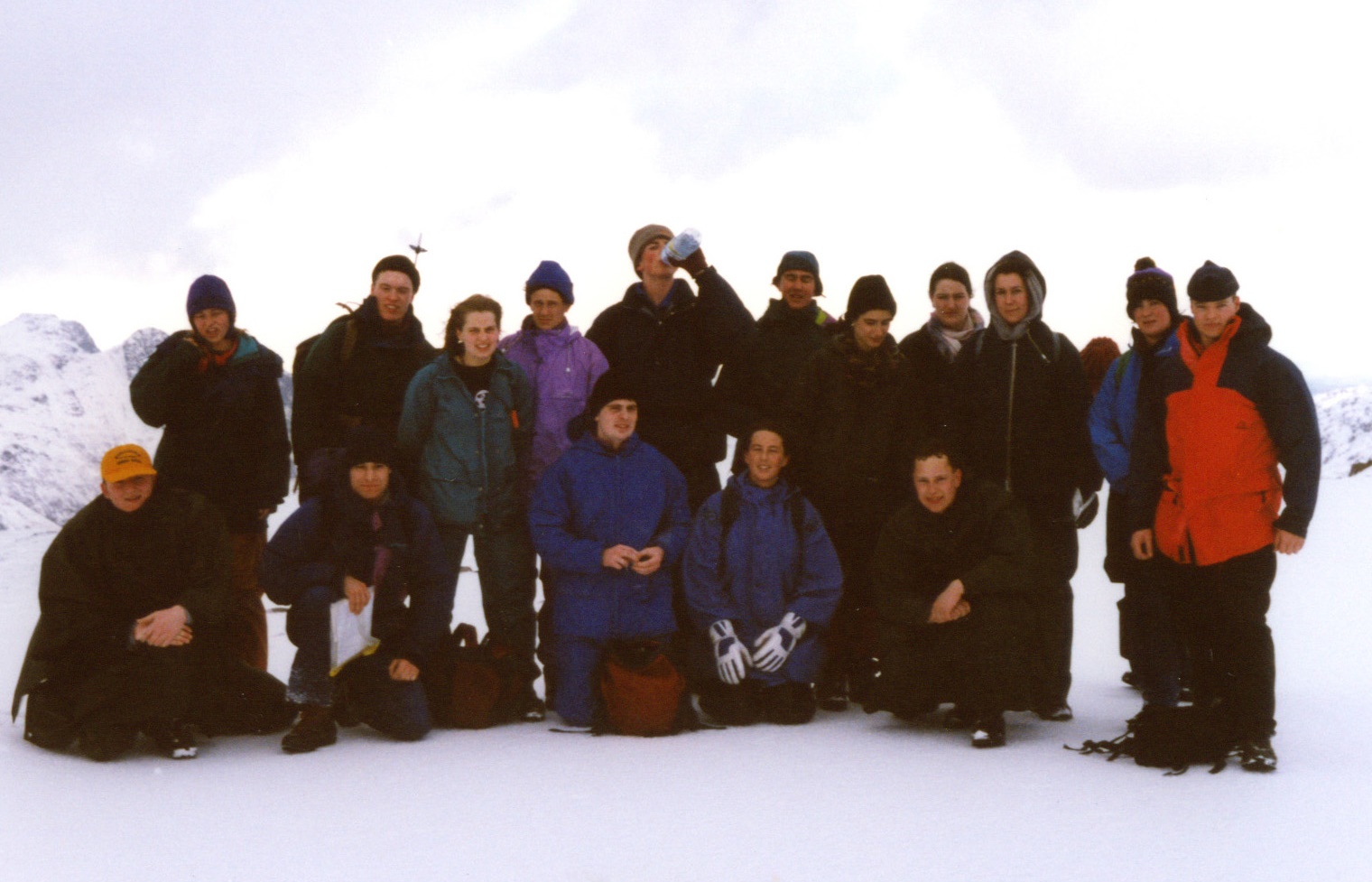
In the summers of 1992 and 1993, I had the incredible opportunity to participate in the Three Peaks Challenge with Raleigh International. This iconic challenge involved ascending the highest peaks in Scotland, England, and Wales — Ben Nevis, Scafell Pike, and Snowdon — typically within 24 hours. Completing the challenge demanded not only peak physical fitness but also mental endurance, meticulous planning, and teamwork. Raleigh International added a unique element to the experience: beyond the challenge itself, the programme emphasised personal development, resilience, and collaboration, ensuring that every climb became a lesson in perseverance as well as an adventure.
Preparation and Training
Preparation for the Three Peaks Challenge began months before the actual climbs. Raleigh International emphasised structured training, including long walks, hill climbs, and endurance exercises. Each participant learned to pace themselves over long distances and how to manage weight in backpacks containing essential supplies. Practical skills such as navigation, map reading, and first-aid were covered, ensuring that the team was ready to handle both the physical and unexpected challenges of the mountains. Nutrition and hydration were vital, and the importance of teamwork was drilled into every exercise: the success of each individual relied heavily on the support of the group.
1992: Ben Nevis
Our first climb in 1992 started with Ben Nevis, Scotland’s tallest peak at 1,345 meters. Setting off in the early morning mist, the trails were already damp from the Highland rain, making the footing slippery and treacherous. The climb began with dense forest, gradually giving way to rocky slopes. The air was crisp, and the wind cut across exposed ridges, testing both stamina and determination. Each step required focus, but the camaraderie among the team was unwavering.
The climb was not only a test of physical strength but also mental endurance. Moments of doubt arose as the gradient steepened and fatigue set in, but encouragement from fellow climbers and small rituals of support, such as helping a teammate over a rock or sharing a quick snack, kept morale high. Reaching the summit, enveloped in mist and cold wind, brought an overwhelming sense of achievement. Despite the clouds, the feeling of standing atop Scotland’s highest peak was electrifying. We paused briefly to celebrate, knowing that Ben Nevis was only the first step in a much longer journey.
Scafell Pike: England’s Challenge
From the Scottish Highlands, we traveled south to the Lake District to tackle Scafell Pike, England’s highest peak at 978 meters. Although shorter than Ben Nevis, Scafell Pike brought its own challenges. The rocky terrain, narrow paths, and accumulated fatigue from the previous climb tested endurance. Early on, we had to navigate boulder-strewn trails, carefully selecting footholds while maintaining momentum. The weather, variable as ever, alternated between sun and rain, making the rocks slippery and increasing the need for caution.
Teamwork became critical. We rotated leadership within the group to balance effort and decision-making. We assisted each other over steep ascents, shared encouragement, and monitored each other for signs of fatigue or strain. The summit of Scafell Pike, though physically demanding to reach, was immensely rewarding. Standing on England’s highest point after the exertion of Ben Nevis instilled a sense of resilience and accomplishment that carried us forward to our final climb.
Snowdon: Wales’ Crown
The final stage in Wales brought us to Snowdon, standing at 1,085 meters. Snowdon’s varied terrain included steep rocky paths and gentler grassy slopes. By this point, fatigue was at its peak, but the support of the team and the discipline instilled by Raleigh International allowed us to continue. We adopted a steady, methodical pace, alternating leadership and pacing roles, and maintaining focus despite growing exhaustion.
The summit of Snowdon represented the culmination of physical effort, mental perseverance, and teamwork. Arriving at the top, overlooking mist-covered valleys and rugged mountains, brought a profound sense of achievement. The success of completing all three peaks in succession highlighted the rewards of preparation, endurance, and collaboration.
1993: Returning with Experience
In 1993, I participated in the Three Peaks Challenge for a second time. Having experienced the challenge the year before, I approached it with greater confidence and strategic insight. I understood the importance of pacing, rest, nutrition, and energy management, and was better able to anticipate the difficulties of each climb. The preparation period involved more targeted training, including longer hill walks with weighted backpacks, endurance exercises, and team-building exercises designed to strengthen cooperation and communication.
Starting with Ben Nevis again, the climb felt familiar yet no less challenging. The terrain seemed more predictable, and I was able to manage energy more efficiently. Working closely with the team, we maintained a steady rhythm, alternating leadership and providing support to newer members of the group. The summit greeted us with a crisp Highland breeze, and for the second year, standing atop Ben Nevis was both exhilarating and affirming.
Scafell Pike and Snowdon: Mastering the Challenge
Scafell Pike in 1993 offered a smoother experience than in 1992, partly due to familiarity with the terrain and partly due to better teamwork and pacing. We efficiently navigated the rocky slopes and narrow paths, supporting each other through moments of fatigue and ensuring that no member lagged behind. The summit felt like a testament to progress — not only our physical capability but also our ability to function as a cohesive team.
Snowdon, as always, was the final test. By now, we were well-coordinated and mentally prepared, each of us relying on experience and mutual support to maintain a steady pace to the summit. The views from the top, clear in contrast to the often misty climbs of the previous year, were breathtaking. The sense of completion, pride, and shared achievement was immense. Completing the Three Peaks Challenge for a second year reinforced lessons in endurance, resilience, and the power of teamwork.
Lessons Learned
The Three Peaks Challenge with Raleigh International was far more than a physical test. It demanded mental fortitude, patience, adaptability, and leadership. Each climb required problem-solving skills, decision-making under pressure, and a capacity to support and encourage teammates. The challenges of variable weather, fatigue, and rugged terrain tested every aspect of endurance and character. Beyond the climbs, the experience offered a profound sense of connection with nature, with teammates, and with the larger mission of Raleigh International: to encourage personal development through adventure and teamwork.
Reflection
Reflecting on the experiences of 1992 and 1993, the Three Peaks Challenge stands out as a highlight of my time with Raleigh International. Each peak offered unique lessons: the grandeur and toughness of Ben Nevis, the technicality and endurance needed for Scafell Pike, and the culmination of effort on Snowdon. The repeated participation reinforced personal growth, improved team dynamics, and instilled confidence that has extended far beyond the mountains.
Completing the challenge twice was a testament to the values instilled by Raleigh International: preparation, determination, resilience, and teamwork. The memories of standing atop these peaks, sometimes in mist, sometimes under sunlight, remain indelible — a record of achievement, adventure, and shared experience. The Three Peaks Challenge is a remarkable journey of body, mind, and spirit, and participating with Raleigh International made it an unforgettable chapter in my life.
