
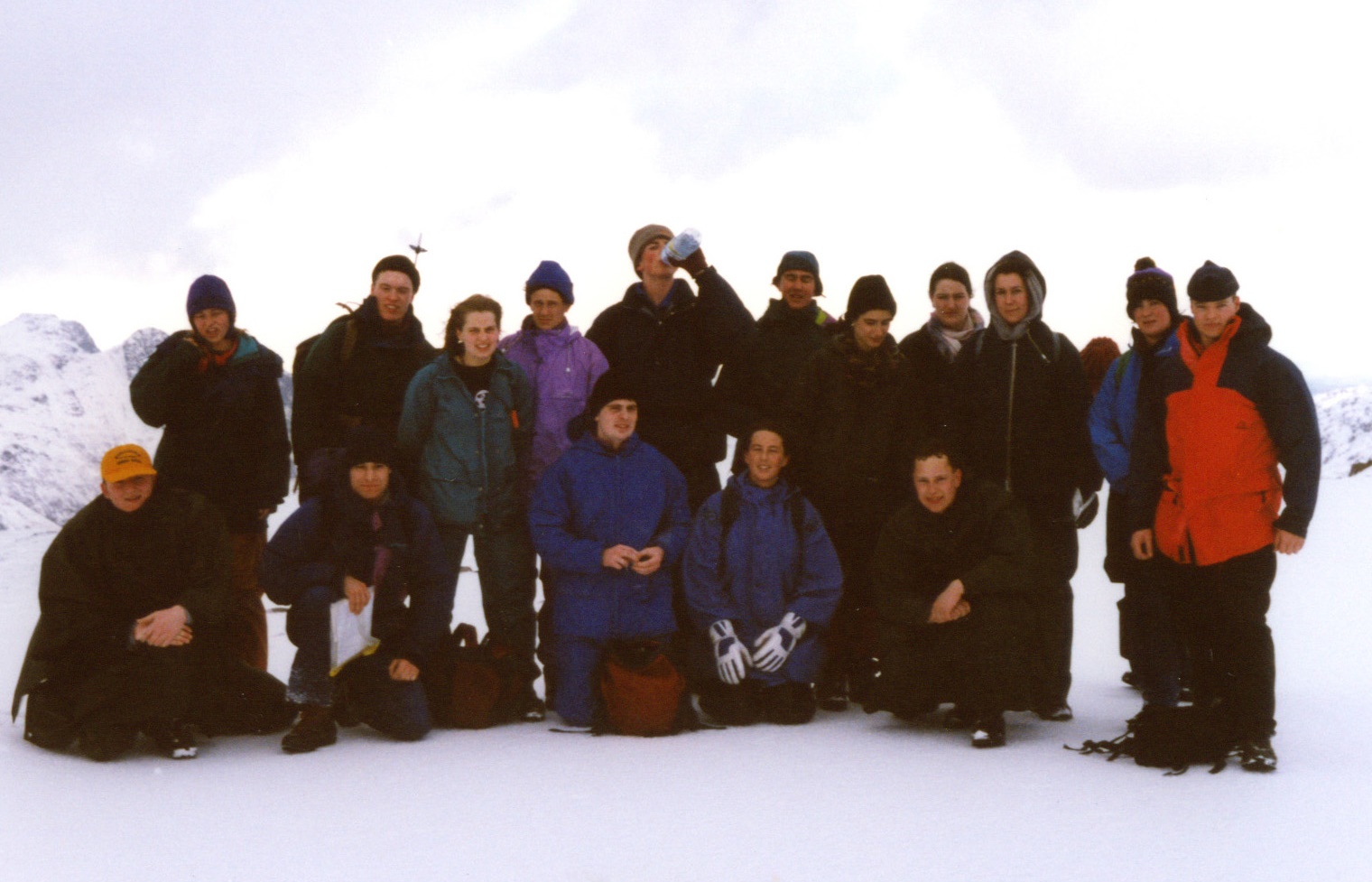
In the summers of 1992 and 1993, I had the incredible opportunity to take part in the Three Peaks Challenge as part of Raleigh International’s adventurous programme. This was not just a physical challenge, but a journey of endurance, teamwork, and personal growth. The Three Peaks Challenge, as the name suggests, involved ascending the highest peaks of Scotland, England, and Wales — Ben Nevis, Scafell Pike, and Snowdon — within a strict 24-hour timeframe. Completing the challenge required months of preparation, both physically and mentally, as well as a high level of coordination and camaraderie among the team.
Participating with Raleigh International added a unique dimension to the challenge. Raleigh’s ethos of adventure, voluntary work, and personal development meant that this wasn’t simply about climbing mountains; it was about pushing ourselves, working together, and demonstrating resilience in the face of real physical and mental demands. The programme encouraged team members to support each other, strategize collectively, and maintain morale even when fatigue, weather, or altitude presented obstacles. The spirit of collaboration and mutual encouragement was central to every stage of the challenge.
The preparation for the Three Peaks Challenge began long before we even set foot on the mountains. Weeks of training walks, hill climbs, and fitness sessions ensured that every participant could withstand long hours of trekking, often carrying weighted backpacks. We learned how to pace ourselves, conserve energy, and manage minor injuries such as blisters or muscle strains. Nutrition and hydration were also emphasized, with each team member learning to fuel their body efficiently for extended exertion. Mentally, we practiced techniques to stay focused during times of exhaustion, reminding ourselves that reaching the summit of each peak required not just physical strength but determination and endurance.
In 1992, I experienced my first Three Peaks Challenge with Raleigh International. We began in Scotland with Ben Nevis, the tallest of the three mountains at 1,345 meters. Ascending Ben Nevis was a rigorous start to the challenge. The trails were steep, rocky, and often slippery due to rain and mist, conditions typical of the Scottish Highlands. The cold wind and variable weather added an additional layer of difficulty. Despite the challenges, the views from the summit were breathtaking — panoramic vistas of valleys, lochs, and surrounding peaks stretching as far as the eye could see. Standing at the top of Ben Nevis, a sense of accomplishment and anticipation for the next stages of the challenge filled the team with renewed energy.
From Scotland, we traveled south to Scafell Pike in the Lake District, the highest peak in England at 978 meters. Scafell Pike, while shorter than Ben Nevis, presented its own difficulties. The rocky terrain and narrow paths demanded careful navigation, and the cumulative fatigue from climbing Ben Nevis was a factor that tested both physical and mental resilience. Teamwork became critical; supporting each other over steep ascents, offering encouragement during low moments, and sharing logistical tasks such as carrying supplies and timing breaks helped us progress efficiently. Reaching the summit of Scafell Pike felt like a major milestone, reinforcing the belief that the final peak, Snowdon, was within reach.
The final stage was Snowdon in Wales, standing at 1,085 meters. Snowdon’s trails were varied, with a mix of steep rocky paths and gentler tracks. By this stage, exhaustion was setting in, but the sense of camaraderie, shared experience, and determination kept the team moving. The weather, often unpredictable in the mountains, posed challenges, with intermittent rain and mist affecting visibility. However, the final ascent brought an unparalleled sense of achievement. Standing at the summit of Snowdon, having successfully climbed all three peaks, was a moment of exhilaration and pride. We had not only completed the physical challenge but had also demonstrated resilience, discipline, and teamwork in the face of considerable difficulty.
The 1993 challenge built upon my previous experience, allowing me to approach the Three Peaks with greater confidence and strategy. By this time, I understood the importance of pacing, rest, and nutrition during multi-peak treks. The team dynamic was equally important, with experienced participants guiding new team members, sharing techniques for managing steep ascents, and keeping morale high. Climbing Ben Nevis again felt different; the terrain seemed more familiar, and I was better able to judge my energy and maintain a steady pace. In 1993, the weather was kinder than in 1992, allowing us to enjoy clearer views of the Scottish Highlands and take moments to appreciate the landscape along the route.
Scafell Pike in 1993 presented the usual technical challenges but was more manageable with experience from the previous year. The teamwork established during the Ben Nevis ascent carried over, and we maintained a steady rhythm, alternating leadership within the group to balance physical effort and decision-making. We encouraged each other through fatigue, and the collective spirit of the group made the climb not only achievable but highly enjoyable. Reaching the summit of Scafell Pike for the second time reinforced the value of preparation, communication, and mutual support in completing a physically demanding challenge.
Snowdon, the final peak, provided the culmination of both challenges. By now, I had gained a deep understanding of endurance trekking, including pacing strategies, mental focus, and the importance of teamwork. The climb to Snowdon’s summit was physically taxing but emotionally rewarding. Each team member shared the triumph, reflecting on the combined efforts that had brought us to that point. Reaching the top was a moment of celebration, marking the completion of the challenge in 1993 and symbolizing personal growth, determination, and resilience cultivated over years of participation in Raleigh International’s programmes.
The Three Peaks Challenge was not just a physical test; it was also a lesson in adaptability and perseverance. Each mountain brought its own conditions and obstacles, requiring flexible thinking and problem-solving. For instance, rapid changes in weather, rocky or muddy terrain, and navigational decisions forced the team to remain alert and collaborative. The ability to maintain focus and composure under pressure was crucial, and the challenge fostered a sense of confidence that extended well beyond the mountains themselves.
Being part of Raleigh International added further meaning to the challenge. The organization emphasizes not only adventure but also voluntary work, personal development, and community engagement. Completing the Three Peaks Challenge within this context underscored the broader goals of the programme: pushing personal limits, learning from shared experiences, and contributing to a larger mission of development and teamwork. It was a powerful reminder that the greatest achievements are often those pursued in partnership with others, guided by shared purpose and mutual encouragement.
Reflecting on the experiences of 1992 and 1993, the Three Peaks Challenge remains a highlight of my time with Raleigh International. It was physically demanding, mentally challenging, and deeply rewarding. The combination of natural beauty, physical exertion, and teamwork created an experience that was transformative, teaching resilience, patience, and the importance of camaraderie. The memories of standing atop Ben Nevis, Scafell Pike, and Snowdon, often amidst clouds, wind, or sunlit panoramas, are indelibly etched in my mind.
Completing the Three Peaks Challenge twice — once in 1992 and again in 1993 — offered a unique perspective on growth and learning. The first challenge tested my limits and introduced me to the discipline and stamina required. The second challenge built on that experience, allowing me to refine strategy, deepen teamwork, and approach the mountains with confidence and insight. Together, these experiences encapsulated the essence of adventure with Raleigh International: pushing boundaries, embracing challenges, and forming lasting connections with both people and the natural world.
Ultimately, the Three Peaks Challenge with Raleigh International was more than a series of climbs; it was a journey of personal and collective achievement. It reinforced the values of preparation, perseverance, teamwork, and resilience. These climbs were not merely physical feats but formative experiences that shaped my approach to challenges, both on and off the mountains. The lessons learned, friendships forged, and sense of accomplishment gained continue to resonate, making the Three Peaks Challenge a defining and unforgettable chapter of my life.
