
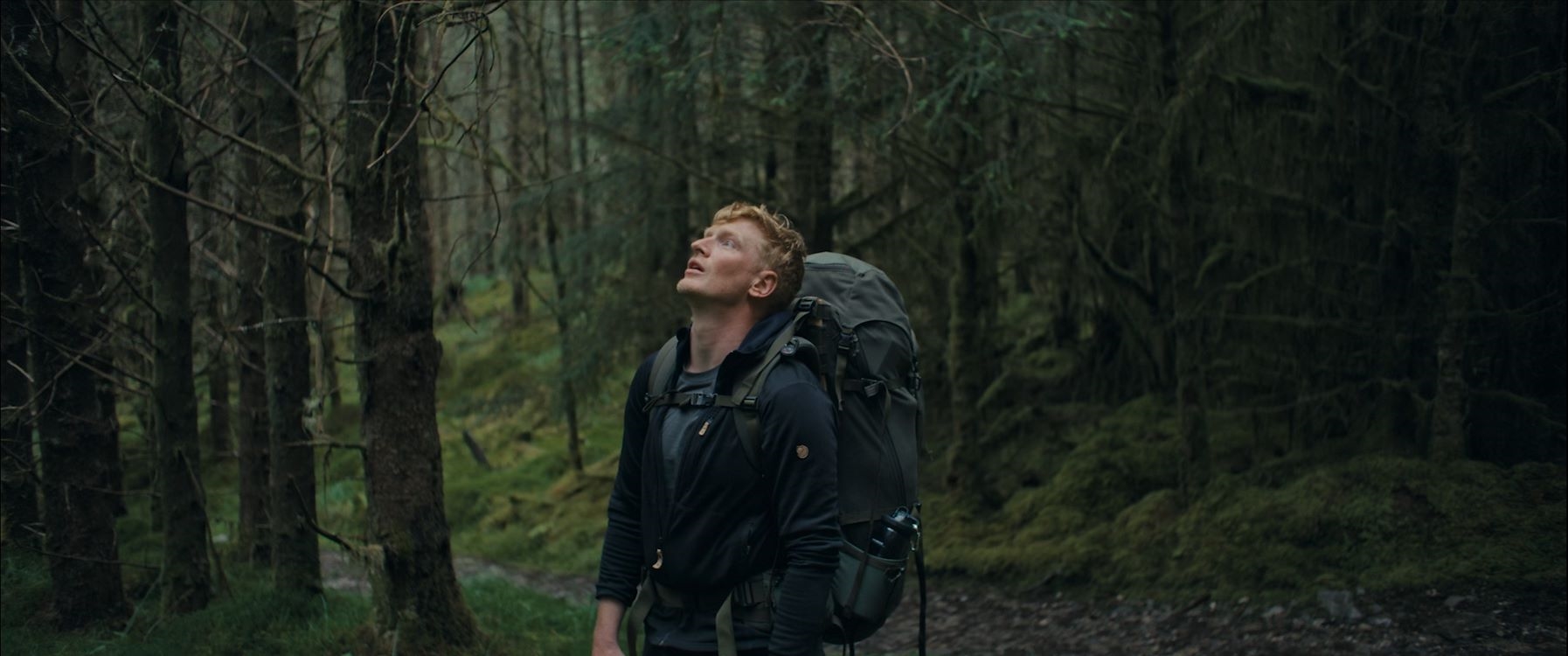
The North is a British drama film that explores themes of isolation, identity, survival, and the psychological effects of living in harsh environments. Directed by Phil Sheerin, the film presents a stark and atmospheric story set within a remote northern landscape. Through its minimal dialogue, contemplative pacing, and visually striking cinematography, The North offers viewers a powerful cinematic experience that focuses on emotional depth and environmental atmosphere rather than traditional action-driven storytelling.
The film premiered at the Berlinale, one of the world’s most respected international film festivals. Its selection for screening at such a prestigious event demonstrates its artistic ambition and critical appeal. Independent films often rely on festivals like Berlinale to introduce their work to global audiences, critics, and distributors.
The North belongs to a tradition of slow cinema, a style characterised by deliberate pacing, careful composition, and an emphasis on mood rather than plot complexity. This approach allows viewers to reflect on the emotional and philosophical themes explored throughout the film.
Plot Overview
The narrative of The North follows two men travelling across a remote and rugged northern landscape. Their journey appears to be motivated by survival rather than exploration, suggesting that they may be escaping from something or searching for safety.
The film deliberately provides limited exposition, allowing viewers to interpret the characters’ motivations through visual storytelling rather than explicit explanation. This technique encourages audiences to engage actively with the film’s themes and symbolism.
The environment itself becomes an important part of the narrative. The harsh terrain, cold climate, and vast empty spaces create a sense of vulnerability and tension. The characters’ physical journey mirrors an internal psychological journey as they confront uncertainty and fear.
By focusing on the relationship between the two men, the film explores themes of trust, companionship, and dependence. In extreme environments, cooperation often becomes essential for survival.
The lack of conventional narrative structure may challenge viewers accustomed to fast-paced storytelling. However, the film’s contemplative style rewards patience by offering emotional depth and artistic complexity.
Themes and Interpretation
Isolation and Human Experience
One of the central themes of The North is isolation. The remote landscape emphasises the vulnerability of human beings when removed from society and technology.
Isolation often forces individuals to confront their thoughts and emotions more directly. In the film, the absence of external distractions allows the audience to focus on the characters’ internal struggles.
The concept of isolation can also be interpreted metaphorically. The characters may represent individuals navigating personal challenges without support.
The film encourages viewers to consider how people cope with uncertainty and adversity.
Relationship Between Humans and Nature
Nature plays a dominant role in The North. The environment is not merely a background setting but an active presence influencing the characters’ decisions and emotional states.
The landscape appears both beautiful and dangerous. Snow-covered terrain, rocky hills, and wide open spaces create visually striking imagery while also highlighting the challenges of survival.
The film reflects a long tradition in art and literature of representing nature as both inspiring and threatening.
Nature often symbolises forces beyond human control.
By emphasising the scale of the environment, the film reminds viewers of the relative fragility of human life.
Minimalism and Storytelling
The North uses minimal dialogue, relying heavily on visual storytelling. Silence becomes a powerful narrative device.
Without extensive conversation, the audience must interpret meaning through facial expressions, movement, and environmental context.
Minimalist storytelling can create a more immersive viewing experience by allowing audiences to form their own interpretations.
This approach reflects the influence of European art cinema traditions.
Rather than providing clear answers, the film invites reflection and discussion.
Cinematography and Visual Style
One of the most striking aspects of The North is its cinematography. The film uses wide landscape shots to emphasise the scale of the environment.
Long takes allow viewers to absorb the atmosphere and emotional tone of each scene.
Natural lighting contributes to the realism of the setting.
The muted colour palette reflects the cold climate and austere environment.
The visual style supports the film’s themes by creating a sense of stillness and contemplation.
The camera often remains at a distance from the characters, reinforcing the idea of isolation.
This artistic approach demonstrates how cinematography can communicate meaning without relying on dialogue.
Director’s Approach
Phil Sheerin’s direction demonstrates confidence in visual storytelling techniques. By reducing dialogue and focusing on atmosphere, he encourages viewers to engage with the film in a thoughtful way.
Independent films often allow directors greater creative freedom than large commercial productions.
This freedom enables experimentation with narrative structure and visual composition.
Sheerin’s approach prioritises emotional authenticity rather than conventional entertainment.
The film reflects a commitment to artistic expression rather than commercial expectations.
Such films often appeal to audiences interested in cinema as an art form.
Reception and Critical Response
Films like The North often generate discussion among critics and audiences because of their unconventional style.
Some viewers appreciate the contemplative pace and philosophical themes.
Others may find the minimal narrative structure challenging.
Critical reception often focuses on the film’s cinematography, atmosphere, and artistic ambition.
Film festivals provide opportunities for independent productions to gain recognition beyond mainstream distribution channels.
Participation in the Berlinale suggests that the film has been recognised for its artistic quality.
Festival screenings often lead to wider international exposure.
The Role of Independent Cinema
The North represents the continuing importance of independent cinema in the global film industry.
Independent films often explore themes that may not be addressed in mainstream productions.
They provide opportunities for new directors and actors to develop their creative voice.
Independent cinema contributes to cultural diversity by presenting stories from different perspectives.
Films like The North demonstrate that cinema can be both entertaining and intellectually stimulating.
They encourage viewers to think critically about narrative structure and artistic intention.
Symbolism in the Film
The journey depicted in The North may symbolise personal transformation.
Travel narratives often represent emotional or psychological change.
The harsh landscape may represent obstacles faced in life.
The relationship between the characters may symbolise cooperation and trust.
The absence of detailed background information allows the story to function on a symbolic level.
Viewers may interpret the narrative in different ways depending on their own experiences.
Symbolic storytelling encourages reflection and discussion.
Comparison with Other Atmospheric Films
Films focusing on minimal dialogue and environmental storytelling share similarities with other works of slow cinema.
Such films often prioritise mood and visual composition over plot complexity.
They may appeal to audiences interested in artistic filmmaking.
Atmospheric films can create a meditative viewing experience.
The emphasis on visual storytelling reflects the origins of cinema as a visual art form.
This approach demonstrates the versatility of film as a medium.
Conclusion
The North is a visually striking and thought-provoking film that explores themes of isolation, survival, and the human relationship with nature.
Through its minimalist storytelling and atmospheric cinematography, the film offers an immersive viewing experience that encourages reflection.
Director Phil Sheerin’s artistic approach demonstrates the potential of cinema as a medium for exploring philosophical and emotional ideas.
The film’s screening at the Berlin International Film Festival highlights its recognition within the international film community.
By prioritising mood and symbolism over conventional narrative structure, The North challenges viewers to engage actively with its themes.
As an example of contemporary independent cinema, the film contributes to the diversity of storytelling within the film industry.
For audiences interested in reflective and visually expressive films, The North offers a compelling exploration of human experience within the vast and often unforgiving natural world.
