
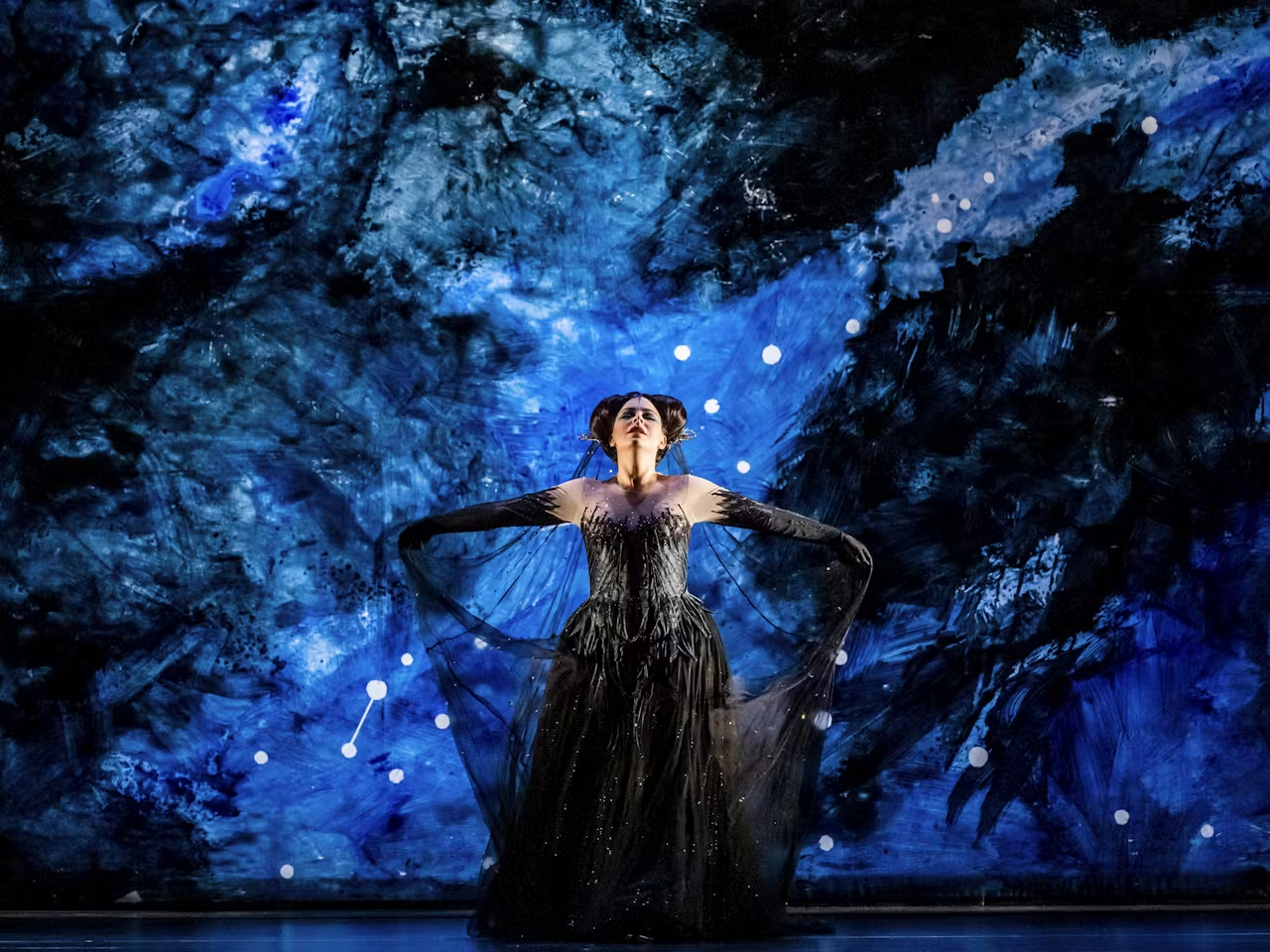
The Magic Flute is one of the most famous and frequently performed operas in the world. Composed by Wolfgang Amadeus Mozart, with a libretto written by Emanuel Schikaneder, the opera premiered on 30 September 1791 at the Theater auf der Wieden. Known in German as Die Zauberflöte, the work blends fairy tale elements, symbolism, comedy, and philosophical themes into a unique theatrical experience that has captivated audiences for over two centuries.
Written near the end of Mozart’s life, The Magic Flute stands out as a Singspiel — a form of German opera that combines spoken dialogue with musical numbers such as arias, duets, and choruses. The opera’s mixture of fantasy and moral allegory reflects Enlightenment ideals, emphasising reason, wisdom, love, and the pursuit of truth. At the same time, its imaginative story, colourful characters, and memorable music make it accessible and enjoyable for audiences of all backgrounds.
Historical Context
The late 18th century was a period of intellectual and artistic transformation in Europe. Enlightenment ideas encouraged rational thought, scientific curiosity, and the questioning of traditional authority. Mozart and Schikaneder were both influenced by these ideas, as well as by their involvement in Freemasonry, a philosophical society that valued knowledge, moral development, and brotherhood.
Freemasonry symbolism is often identified throughout The Magic Flute, particularly in themes of enlightenment, personal growth, and the triumph of wisdom over ignorance. The number three, which is significant in Masonic symbolism, appears repeatedly in the opera’s structure, including three ladies, three boys, and three temples.
The premiere of the opera was highly successful, attracting enthusiastic audiences in Vienna. Mozart conducted some of the early performances himself. Tragically, the composer died only two months after the premiere, making The Magic Flute one of his final works. Despite this, the opera quickly became popular throughout Europe and remains a central part of the operatic repertoire today.
Plot Summary
The story of The Magic Flute combines fantasy adventure with moral allegory. The plot centres on Prince Tamino, who is tasked with rescuing Princess Pamina, the daughter of the mysterious Queen of the Night. However, as the narrative unfolds, Tamino learns that appearances can be deceptive and that wisdom and truth are not always immediately obvious.
Act I
The opera begins with Prince Tamino being chased by a fearsome serpent. He is rescued by three mysterious ladies who serve the Queen of the Night. Tamino is shown a portrait of Pamina and instantly falls in love with her. The Queen of the Night appears and tells Tamino that her daughter has been kidnapped by Sarastro, a powerful leader who rules a temple of wisdom. She promises Tamino Pamina’s hand in marriage if he can rescue her.
Tamino is given a magic flute to protect him on his journey, while his companion Papageno, a cheerful bird catcher, receives magic bells. Together they set off to rescue Pamina. Meanwhile, Pamina is being held captive by Sarastro’s servant Monostatos, who attempts to threaten her but is frightened away when Papageno appears.
Act II
As the story progresses, Tamino learns that Sarastro is not the villain he first appeared to be. Instead, Sarastro represents wisdom and enlightenment, while the Queen of the Night embodies darkness and emotional manipulation.
Tamino and Papageno must undergo a series of trials to prove their worthiness. These trials test their courage, patience, and dedication to truth. With the help of the magic flute, Tamino successfully completes the trials and is reunited with Pamina.
The Queen of the Night attempts to disrupt the triumph of wisdom but ultimately fails. The opera concludes with a celebration of enlightenment, harmony, and the victory of good over evil.
Main Characters
Several memorable characters contribute to the opera’s lasting appeal.
Tamino – The noble prince who seeks truth and wisdom. His journey represents personal growth and enlightenment.
Pamina – The heroine of the story, known for her compassion, loyalty, and emotional depth.
Papageno – A comic character who provides humour throughout the opera. He is a simple bird catcher who desires love and happiness rather than philosophical enlightenment.
The Queen of the Night – One of the most famous soprano roles in opera, known for her dramatic arias and vocal complexity.
Sarastro – The wise leader who represents knowledge, reason, and moral authority.
Monostatos – A servant who introduces conflict and tension in the story.
Each character represents different human qualities, contributing to the opera’s moral and symbolic themes.
Musical Highlights
Mozart’s music in The Magic Flute is widely admired for its beauty, emotional depth, and technical brilliance. The opera contains some of the most recognisable melodies in classical music.
One of the most famous pieces is the Queen of the Night’s aria “Der Hölle Rache,” often referred to as the “Queen of the Night aria.” This challenging piece requires exceptional vocal skill, particularly in reaching very high notes. The aria expresses intense anger and determination, demonstrating Mozart’s ability to convey powerful emotion through music.
Another notable piece is Papageno’s cheerful aria “Ein Mädchen oder Weibchen,” which reflects the character’s simple desire for companionship. Tamino’s aria “Dies Bildnis ist bezaubernd schön” beautifully expresses his love for Pamina after seeing her portrait.
The music in the opera varies widely in style, ranging from light-hearted folk-inspired melodies to grand choral passages. Mozart’s orchestration enhances the magical atmosphere, using instruments to create mood and symbolism.
Themes and Symbolism
One of the reasons The Magic Flute remains relevant today is its exploration of universal themes. The opera addresses ideas such as:
The triumph of reason over ignorance – Tamino’s journey represents the pursuit of truth and knowledge.
Love and loyalty – The relationship between Tamino and Pamina emphasises trust and emotional strength.
Personal growth – Characters develop through challenges and self-discovery.
Balance between emotion and wisdom – The contrast between the Queen of the Night and Sarastro symbolises opposing forces within human nature.
The symbolic use of trials, temples, and magical objects reflects philosophical ideas associated with Enlightenment thought. The magic flute itself represents harmony, suggesting that music can bring order and unity.
Performance and Staging
The Magic Flute is known for its imaginative staging possibilities. Productions often feature elaborate costumes, dramatic lighting, and creative set designs to emphasise the fantastical elements of the story.
Because the opera includes both serious and comic elements, directors often explore different interpretations. Some productions emphasise the fairy tale aspects, while others focus on philosophical symbolism or modern reinterpretations.
The role of Papageno is particularly popular with audiences because of its humour and relatability. His light-hearted personality provides contrast to the more serious themes of the opera.
Cultural Influence
Since its premiere in 1791, The Magic Flute has influenced music, theatre, and popular culture. It has been performed countless times in opera houses around the world and continues to attract new audiences.
The opera is often introduced to young audiences because of its fairy tale qualities and accessible storyline. Many adaptations have been created, including films, stage reinterpretations, and modernised versions.
Mozart’s music has also inspired composers and musicians across multiple genres. The enduring popularity of The Magic Flute demonstrates the timeless appeal of its themes and melodies.
Conclusion
The Magic Flute remains one of the most beloved operas ever written. Combining beautiful music, imaginative storytelling, and philosophical symbolism, the work reflects the artistic brilliance of Wolfgang Amadeus Mozart. Its exploration of love, wisdom, and personal growth continues to resonate with audiences today.
Through its memorable characters, enchanting melodies, and meaningful themes, The Magic Flute offers both entertainment and intellectual depth. More than two centuries after its premiere, the opera continues to inspire performers, scholars, and audiences around the world, confirming its place as one of the greatest achievements in the history of music.
