
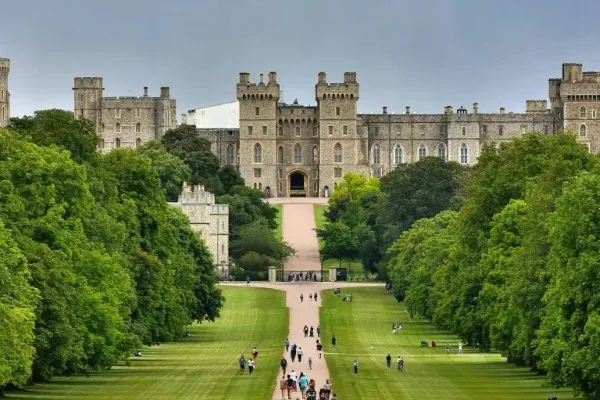
The Long Walk at Windsor is one of the most iconic and celebrated avenues in England, renowned for its stunning vistas, historical significance, and symbolic association with the British monarchy. Stretching approximately 2.65 miles (4.26 km) from the Copper Horse statue at Snow Hill in the south to the majestic gates of Windsor Castle in the north, the Long Walk is more than just a scenic path—it is a living testament to centuries of royal tradition, landscape design, and cultural identity.
Origins and Historical Background
The origins of the Long Walk are deeply rooted in the evolving history of Windsor Great Park, the vast royal estate that surrounds Windsor Castle. Windsor Castle itself, established by William the Conqueror in the 11th century, has long been a residence for British monarchs, and the surrounding parkland was initially used as a hunting ground. Over time, parts of the forest were cleared and shaped into open spaces to reflect the aesthetic ideals of successive monarchs.
The Long Walk, in its earliest form, was conceived during the 17th century under the reign of Charles II. Inspired by the grand avenues of France, particularly those associated with Versailles, Charles II sought to create a formal, tree-lined approach that would provide breathtaking views of Windsor Castle. The avenue was planted with rows of elm and chestnut trees, carefully aligned to create a sense of perspective and grandeur. It was a statement of royal power, prestige, and an appreciation of order in landscape design.
Throughout the centuries, the Long Walk has undergone maintenance and replanting, but its essential character has remained intact. The elm trees that originally lined the avenue were largely lost to disease in the 20th century, and many have been replaced with disease-resistant varieties, ensuring that the historic vista continues to enchant visitors.
Design and Layout
The Long Walk is a straight, symmetrical avenue flanked by towering trees, creating a visual corridor that emphasizes Windsor Castle at the northern terminus. The careful alignment of trees along the route is characteristic of the formal landscaping style popularized in the Baroque period, emphasizing geometric order, sightlines, and dramatic perspectives. This design principle not only creates aesthetic appeal but also underscores the power and authority of the monarchy, which commands both the landscape and the castle at its apex.
At the southern end of the Long Walk stands the Copper Horse, an equestrian statue of King George III, installed in 1831. This statue acts as a focal point and a visual anchor for the avenue. From this vantage point, the Long Walk extends northwards, gently sloping upward towards Windsor Castle, creating a remarkable sense of scale and grandeur. Visitors walking the avenue experience a combination of intimate enclosure from the tree lines and expansive openness, particularly when the trees are in full leaf, creating a tunnel effect that frames the castle in the distance.
The Long Walk is approximately 2.65 miles long, making it an ideal route for leisurely strolls, running, or cycling. Its width is generous enough to accommodate large numbers of visitors, and the avenue is maintained with care to ensure both accessibility and preservation of its historical integrity.
Flora and Wildlife
The Long Walk is not only a visual marvel but also an ecological asset. The avenue is lined with mature trees that provide habitat for birds, insects, and small mammals. Seasonal changes transform the landscape dramatically: in spring, fresh green leaves emerge, while autumn brings a riot of warm colors that enhance the avenue’s dramatic effect. Winter, with its bare branches, exposes the full linearity of the path, offering unobstructed views of the castle and surrounding parkland.
Wildlife is abundant in Windsor Great Park and along the Long Walk. Deer frequently graze in adjacent parkland, and visitors may be lucky enough to see herds of red and fallow deer from a distance. Birdlife is varied, with species such as woodpeckers, owls, and songbirds inhabiting the tree lines. The natural environment along the Long Walk complements its historical and cultural significance, creating a harmonious blend of nature and human design.
Ceremonial and Cultural Significance
The Long Walk has long played a ceremonial role, reflecting its symbolic importance to the British monarchy. Historically, it was used as a route for royal processions, state occasions, and military parades. Its design—a straight, imposing avenue with clear sightlines to Windsor Castle—was intended to awe spectators and demonstrate the majesty of the Crown.
Today, the Long Walk continues to host ceremonial events. During occasions such as royal weddings, jubilees, and other state events, it provides a grand setting for processions and gatherings. Its image is frequently used in media coverage, postcards, and promotional materials, symbolizing both Windsor Castle and the broader traditions of the monarchy.
Visitor Experience
For modern visitors, the Long Walk offers a unique combination of historical immersion, physical activity, and aesthetic enjoyment. Walking the entire length from the Copper Horse to Windsor Castle can take about 45 minutes to an hour at a leisurely pace, but many visitors prefer to explore shorter sections, stopping to admire views, take photographs, or simply enjoy the tranquility of the park.
The Long Walk is open to the public year-round, with no entry fee, making it a popular destination for locals and tourists alike. The avenue is particularly busy during weekends, holidays, and summer months, yet even then it retains a sense of calm due to its impressive width and the natural enclosure provided by the trees.
Photography enthusiasts are drawn to the Long Walk for its perfectly framed vistas. The interplay of light and shadow through the tree canopies, the seasonal changes in foliage, and the long, uninterrupted perspective leading to Windsor Castle provide countless opportunities for striking images. The avenue is also ideal for runners and cyclists seeking scenic and historic routes.
Challenges and Conservation
Maintaining the Long Walk presents ongoing challenges. The original elm trees, as mentioned, succumbed to Dutch elm disease, requiring careful replanting strategies. Soil compaction, erosion from foot traffic, and weather-related damage are other factors that require attention. The Crown Estate, which manages Windsor Great Park, works closely with arborists, conservationists, and landscape architects to preserve both the aesthetic and ecological integrity of the avenue.
Efforts to balance public access with conservation are crucial. While the Long Walk is a cherished public space, its historic and cultural value demands careful stewardship. Visitors are encouraged to remain on paths, respect wildlife, and appreciate the avenue’s significance beyond its immediate visual appeal.
The Long Walk in Popular Culture
The Long Walk has inspired countless artists, photographers, and writers over the centuries. Its dramatic vistas and association with the monarchy have made it a popular subject for paintings, postcards, and films. Documentaries about Windsor Castle and the British royal family frequently include sweeping shots of the avenue, cementing its status as an emblem of royal heritage.
In literature, the Long Walk has been described as a “walk through history,” emphasizing its ability to connect modern visitors with centuries of tradition. Its representation in art and media has also reinforced public perception of Windsor Castle as not only a royal residence but as the center of a cultural landscape rich in meaning and beauty.
Seasonal Highlights
Each season transforms the Long Walk into a different experience:
- Spring: Blossoming trees and emerging greenery create a sense of renewal and vitality. Migratory birds return, and deer are often more visible in the softer morning light.
- Summer: The avenue is at its lushest, with full canopies providing shade and coolness. Visitors flock to the Long Walk for walks, picnics, and outdoor activities.
- Autumn: Changing leaf colors—reds, oranges, and golds—make the avenue particularly picturesque. This is the peak season for photography and quiet contemplation.
- Winter: With bare branches, the avenue takes on a more austere, majestic character. Snow or frost, when present, adds an ethereal quality to the landscape.
Conclusion
The Long Walk at Windsor is much more than a tree-lined avenue; it is a living piece of history, a cultural symbol, and a treasured public space. From its origins in the 17th century to its present-day status as a beloved tourist attraction, the Long Walk embodies the enduring connection between the monarchy, landscape design, and public engagement. Its combination of historical significance, ecological value, and aesthetic beauty makes it a unique and unforgettable feature of Windsor Great Park.
For anyone visiting Windsor, a walk along this avenue is not merely a journey from point A to point B—it is a journey through centuries of British history, royal tradition, and the natural beauty of one of England’s most cherished landscapes.
