
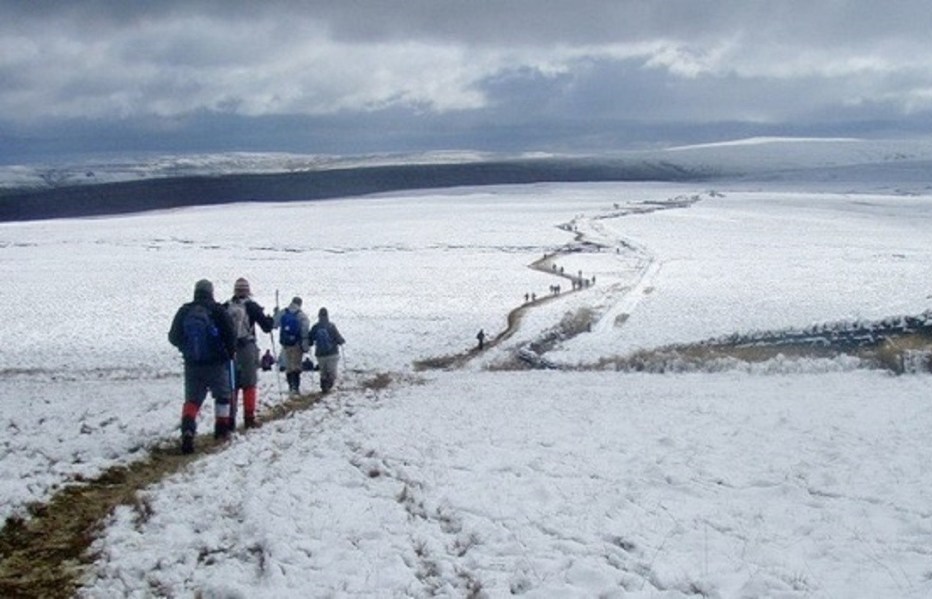
In 1986, I had the incredible opportunity to take part in the Allendale Challenge, a demanding outdoor adventure event that tested both physical endurance and mental resilience. The Allendale Challenge was a multi-day expedition across the rugged terrain of Northumberland, designed to push participants to their limits while fostering teamwork, problem-solving, and perseverance. Participating in this challenge added a unique dimension to my experiences, as it provided a contrast between structured daily routines and the unpredictable, hands-on demands of life outdoors.
Preparation for the Allendale Challenge began well before the expedition itself. Participants were trained in navigation using maps and compasses, first-aid techniques, and survival skills necessary for extended time in the outdoors. Physical training was also essential. The terrain around Allendale is notoriously challenging, with steep hills, rocky outcrops, dense forests, and fast-flowing rivers. We spent weekends walking, jogging, and carrying weighted backpacks to build stamina and endurance. The goal was not only to prepare physically but also to mentally ready ourselves for long hours of exertion and the inevitable discomforts of outdoor life, such as cold, rain, and fatigue.
The challenge itself began in the early morning with a briefing on the objectives, the route, and the safety procedures. As a participant, I was acutely aware that this would not be a casual hike; the Allendale Challenge demanded complete focus, teamwork, and determination. The first stage involved navigating through forested paths and open moorland, using only a map and compass. This required careful attention to detail, precise navigation, and constant awareness of our surroundings. I found myself relying entirely on observational skills, spatial reasoning, and practical problem-solving — a refreshing and valuable contrast to routine indoor activities.
One of the most demanding aspects of the Allendale Challenge was the combination of physical exertion with navigation under time pressure. The course was designed to test endurance, with long marches over uneven terrain, steep ascents, and river crossings. The unpredictability of the weather added to the challenge. Rain could turn trails into muddy, slippery tracks, while strong winds tested balance and stability on exposed hillsides. Cold temperatures and fatigue compounded the difficulty, requiring mental toughness and team support to keep going. Every obstacle became a test not only of physical strength but also of resilience, adaptability, and the ability to maintain focus under pressure.
Teamwork was central to the Allendale Challenge. Unlike individual competitions, this event required participants to work closely together to navigate the terrain, solve problems, and support each other through difficult sections. Each team member brought different skills and strengths, and success depended on leveraging those effectively. I learned to communicate efficiently, delegate responsibilities, and provide encouragement when morale was low. These experiences reinforced lessons that were highly applicable in other areas of life: problem-solving, structured thinking, and systematic planning. Yet, in the outdoors, the stakes felt more immediate and tangible. A navigation error or lapse in judgment could result in lost time or even a safety risk, highlighting the practical consequences of teamwork and decision-making.
Throughout the challenge, there were moments of intense exertion and moments of awe. The Northumberland landscape is both beautiful and rugged. Rolling hills, river valleys, and isolated moorland created an ever-changing backdrop to the expedition. On clear days, the vistas stretched for miles, providing breathtaking views and a sense of scale that emphasized the enormity of the challenge. These moments were inspiring, reminding us why we were willing to endure the hardships of the terrain. They also reinforced the importance of pacing, strategy, and maintaining energy for the long stretches ahead.
The Allendale Challenge was structured in stages, with checkpoints providing opportunities for rest, assessment, and team reflection. At each checkpoint, we would review our progress, plan the next stage, and address any minor injuries or difficulties. This process encouraged strategic thinking and resource management. Carrying sufficient food, water, and gear while keeping packs light enough for mobility required careful planning. Balancing speed with endurance became a constant consideration, and every decision had to factor in both the physical and mental state of the team.
One of the most valuable aspects of completing the Allendale Challenge was the personal growth it inspired. Each participant was forced to confront limitations, overcome discomfort, and push beyond perceived boundaries. Physical fatigue and challenging conditions tested resilience, while the need for careful navigation and team coordination reinforced problem-solving and leadership skills. By the end of the challenge, I felt a sense of achievement that went far beyond the completion of any segment of the course; it was the cumulative effect of perseverance, strategy, and mutual support that made the experience transformative.
Completing the Allendale Challenge in 1986 was a defining moment. It provided an early taste of endurance adventure, a deep appreciation for the outdoors, and a lasting understanding of teamwork and leadership. The lessons learned about preparation, adaptability, resilience, and collaborative problem-solving remained with me throughout my personal and professional life. Experiencing the physical challenge, navigating rugged landscapes, and relying on the support of my teammates reinforced the importance of both self-reliance and collective effort.
In conclusion, the Allendale Challenge was much more than an outdoor adventure; it was a formative experience that demonstrated the value of preparation, resilience, and teamwork, while providing a practical and memorable application of problem-solving skills in an unpredictable environment. The combination of physical exertion, navigation, strategic planning, and camaraderie made it an unforgettable journey — one that left a lasting impact on my personal development and approach to challenges in all areas of life.
The memories of trudging through Northumberland’s moorland, navigating tricky river crossings, and celebrating at the completion of each stage remain vivid decades later. The Allendale Challenge instilled a confidence and sense of achievement that carried through other experiences and challenges in my life. Completing it reinforced the importance of perseverance, strategic thinking, and teamwork — lessons that continue to resonate to this day.
