
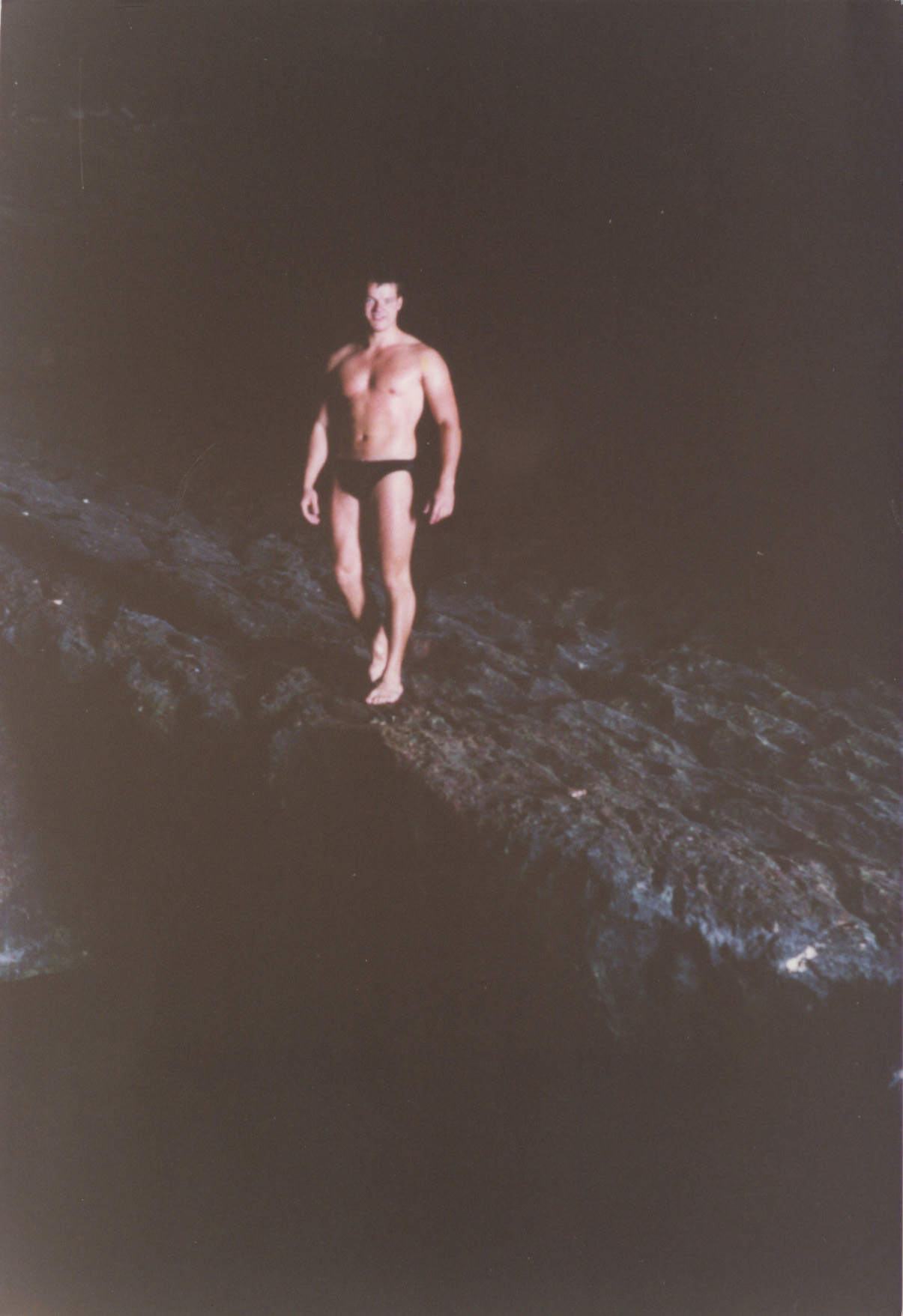
There are few places in the world where the beauty of nature collides so dramatically with the reality of geopolitics. The Rosh HaNikra Grottoes, perched on the northernmost coast of Israel, literally on the border with Lebanon, is one such place. Visiting these grottoes, and more remarkably, taking a swim in their crystalline waters, was an experience unlike any other — a mixture of awe, exhilaration, and subtle apprehension. It was swimming in a space where history, nature, and the echoes of human conflict intersected, creating an adventure that was as thought-provoking as it was refreshing.
Arrival at Rosh HaNikra
Rosh HaNikra is not just a natural marvel; it is a symbol of contrasts. The white chalk cliffs, shaped by millennia of erosion, rise sharply from the turquoise Mediterranean, forming a dramatic coastline unlike any I had seen before. The sound of the waves crashing against the cliffs, the smell of salt in the air, and the wind sweeping down from the hills created a sensory experience that was both invigorating and humbling.
Reaching the grottoes requires a short cable car ride down the cliff face — the steepest in the world, descending over 200 meters. As the cable car descended, the landscape opened up, revealing a series of sea-carved tunnels and caverns, their interiors illuminated by the natural light filtering through openings in the chalk walls. The grottoes themselves are a series of sea caves, carved over centuries by the relentless force of the Mediterranean, forming pools of strikingly clear, cold water.
It was immediately clear that this was not a typical tourist spot. The proximity to the Lebanese border was palpable. Military installations and checkpoints could be seen at a distance, and the subtle presence of security forces served as a constant reminder that this was a place where nature and human conflict coexisted uneasily.
The Decision to Swim
Standing at the edge of the grottoes, looking down at the inviting blue-green waters, I felt an immediate urge to dive in. Swimming in the Mediterranean is a familiar pleasure, yet here it was imbued with a new dimension — the awareness that I was almost at the edge of a geopolitical fault line, a place where history and conflict had left their mark.
Safety was, of course, paramount. The grottoes themselves are partially enclosed, forming natural pools protected from the full force of the sea, but the currents can be unpredictable.
Entering the Water
Sliding into the water for the first time, I felt an immediate shock of cold. The grottoes’ waters are fed by both underground springs and the open sea, maintaining a refreshing chill even in the heat of summer. The clarity of the water was astonishing — I could see the smooth chalk walls beneath me, and tiny fish darted around the submerged rocks, unbothered by human presence.
Swimming here was unlike any other experience. The grottoes form natural alcoves, creating a semi-enclosed environment where the sound of the waves outside is muffled, replaced by the echoing rhythm of water within the caves. There was a surreal quality to being partially enclosed by the chalk walls, yet open to the vastness of the Mediterranean beyond. It felt almost like stepping into a hidden world, a secret sanctuary carved out by nature itself.
The Feeling of Exhilaration
Part of the exhilaration came from the awareness of the grottoes’ location. Knowing that the Lebanese border lay just meters away added a thrill that cannot be replicated in a conventional swimming spot. It was a reminder of the fragile balance that exists in this region — a balance between natural beauty and human tension, between serenity and vigilance.
Swimming in these grottoes demanded both caution and presence. The water’s chill invigorated every sense, while the occasional swell reminded me of the power of the sea. Yet, paradoxically, there was also a profound sense of calm. Floating on my back, looking up at the jagged cliffs above, the sunlight filtering through the water, I felt completely immersed in a moment that was both intimate and expansive.
Observing the Grottoes
After a while, I paused to observe the grottoes more closely. The chalk walls were marked with centuries of erosion, small caves branching off into darkness, each potentially hiding its own unique pool or crevice. Seagulls circled overhead, their calls echoing off the cliffs, and the waves occasionally sent a gentle spray into the grottoes, adding to the sensory tapestry.
The grottoes’ natural architecture created small pockets of calm water where I could float, dive, or swim from one section to another. Unlike swimming in open water, where the horizon dominates, here the walls and ceiling formed an intimate space. It was both protective and dramatic — a private encounter with the Mediterranean that felt sacred and fleeting.
Reflections on the Experience
Swimming in the Rosh HaNikra Grottoes is more than a physical activity; it is a reflective, almost meditative experience. The location at the edge of a warzone adds a gravity that cannot be ignored. It forces one to appreciate the fragility of peace, the resilience of nature, and the persistence of human curiosity and courage.
There is something humbling about enjoying such beauty in a place where conflict has shaped lives, borders, and history. It makes the experience a meditation on contrast — the juxtaposition of the calm, clear waters against the tension that lingers just beyond the cliffs. The grottoes are a sanctuary, a reminder that even in areas scarred by human disputes, nature persists and offers moments of extraordinary beauty.
Interaction with Locals and Guides
The people around the grottoes further enriched the experience. Local guides shared stories of the caves’ formation, the history of the region, and the occasional accounts of border tensions. They spoke with a casual familiarity, balancing the weight of history with the joy of sharing the natural wonder.
I also observed locals swimming, picnicking, or simply sitting on the cliffs, enjoying the views. Despite the proximity to the border, there was a remarkable sense of coexistence — of people claiming enjoyment of the land without fear, and of a subtle understanding of the delicate balance that allows them to do so.
Departing the Grottoes
Eventually, it was time to leave. Climbing back into the sunlight, the grottoes seemed to glow in a new way, their white chalk cliffs radiant against the deep blue sea. The cable car ride back up to the top offered a panoramic view of the coastline, the border fence visible in the distance, a reminder of the tension that always lingers. Yet, the memory of the water, the caves, and the quiet thrill of swimming in a place so extraordinary lingered far more vividly.
As I walked away from the cliffs, I realized that the experience had been more than a swim. It was a lesson in awareness, humility, and appreciation — for the beauty of nature, for the resilience of people living in delicate political circumstances, and for the fleeting moments of serenity that can be found even at the edge of a warzone.
Conclusion
Swimming in the Rosh HaNikra Grottoes is a unique adventure, blending adrenaline, natural beauty, and reflection in equal measure. It is one of those rare experiences that is both exhilarating and meditative, a moment where one is acutely aware of the world’s complexities yet fully immersed in a personal sense of wonder.
The grottoes offer more than a swim; they offer a window into the contrasts of life along the Israel-Lebanon border, a chance to witness nature’s resilience, and an opportunity to find peace in an area often defined by tension. Floating in those crystalline waters, surrounded by chalk walls sculpted over millennia, I felt a profound connection to the landscape, to history, and to the enduring human fascination with exploring places that are simultaneously beautiful, dangerous, and thought-provoking.
Rosh HaNikra is not just a destination; it is a reminder that even in places shadowed by conflict, moments of serenity, courage, and beauty persist — if only we are willing to immerse ourselves fully, in body and in spirit.
