
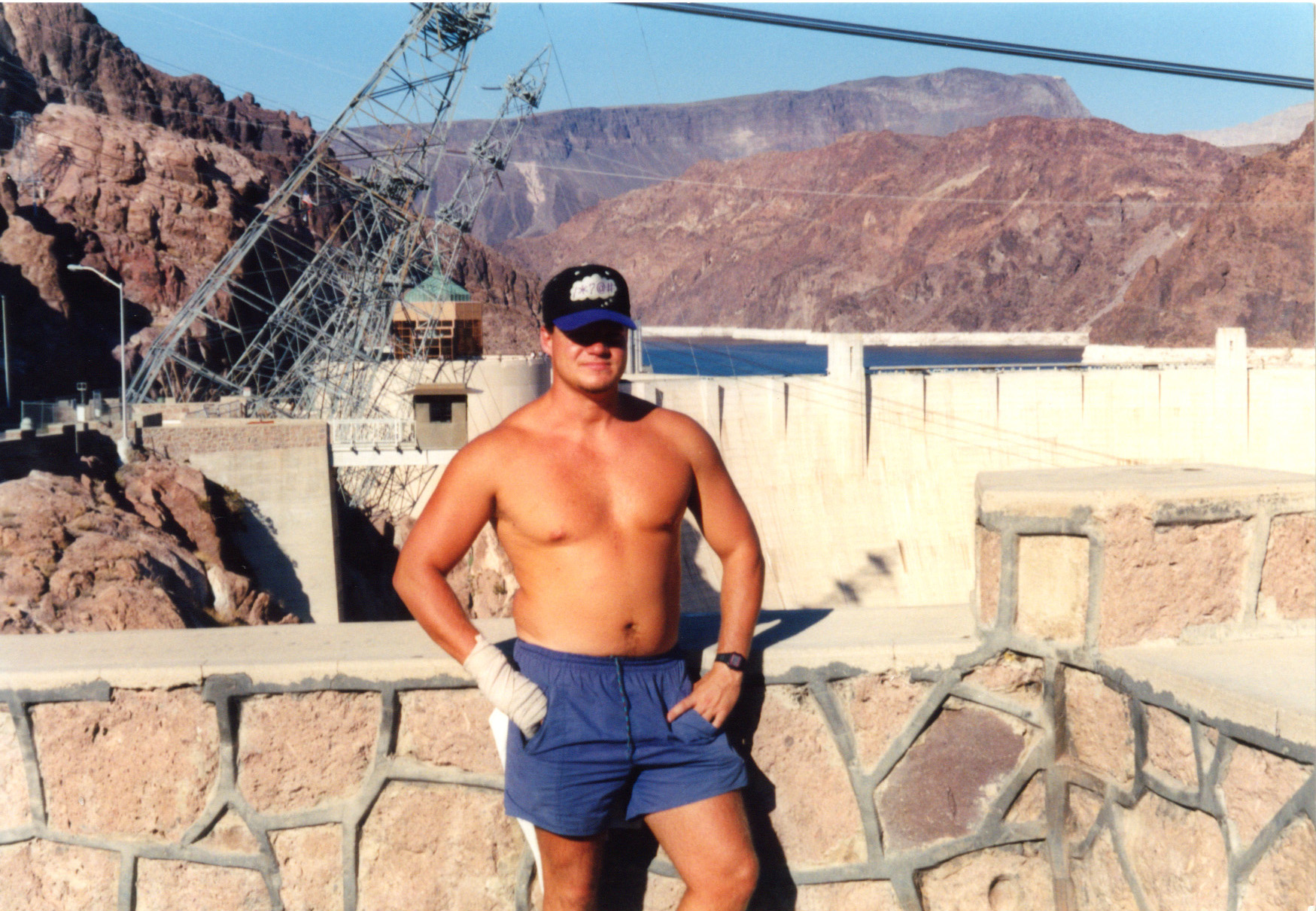
Visiting the Hoover Dam is an experience that leaves a lasting impression, blending engineering marvel, natural beauty, and historical significance in one monumental site. Spanning the Colorado River between Nevada and Arizona, the dam is more than a feat of construction; it is a symbol of human ingenuity, determination, and the ability to shape nature to meet our needs. Standing atop the dam, overlooking the vast expanse of water and the sheer scale of the structure, I felt a mixture of awe, respect, and curiosity that stayed with me long after I left.
Approaching the Dam
Driving toward Hoover Dam, the landscape gradually changed from the arid desert of Nevada to the rugged canyons of the Colorado River. The approach is dramatic — steep cliffs flank the river, and the road winds along narrow ledges before opening up to the immense structure. Even from a distance, the dam is visible, its massive concrete face contrasting starkly with the natural rock around it.
As I parked and walked toward the main viewpoint, the scale became more apparent. The dam stretches nearly 1,244 feet across and rises 726 feet above the river, a colossal testament to human ambition. The parking area was bustling with tourists from around the world, yet even amidst the crowd, it was impossible not to feel the presence of history and engineering brilliance that radiates from the site.
First Impressions
Walking onto the dam itself, I was immediately struck by its enormity. The walkway along the top provides a panoramic view of both Lake Mead, the reservoir behind the dam, and the river canyon below. On one side, the water stretches as far as the eye can see, shimmering under the Nevada sun. On the other, the river cuts a deep channel through the rock, a reminder of the natural forces that the dam harnesses and controls.
It is one thing to see photographs of Hoover Dam; it is another entirely to experience its physical presence. The surface beneath my feet seemed to vibrate with the weight of history, and the guard rails offered little reassurance against the vertigo-inducing drop into the canyon below. Standing there, I felt tiny in comparison — a visitor in the shadow of one of the most ambitious human projects of the 20th century.
The Engineering Marvel
The dam is not just massive; it is a marvel of engineering. Constructed during the Great Depression, Hoover Dam was completed in 1936, employing thousands of workers under extreme conditions. Every element, from the curvature of the dam’s face to the intricate spillways, reflects meticulous planning and ingenuity.
I spent time examining the massive concrete arches that channel the Colorado River, marveling at how the designers accounted for water pressure, temperature, and seismic forces. The dam’s power plant, with its rows of turbines generating electricity for millions of people, is equally impressive. Standing near the intake towers, I could see the immense pipes that channel water into the turbines, a visual reminder of the combination of physics and human skill required to convert a river’s flow into power.
Exploring the Visitor Center
After absorbing the view from the top, I made my way to the Hoover Dam Visitor Center, which provides context and history for the structure. Exhibits detail the planning and construction process, including the logistical challenges of building in a remote desert location during the 1930s. Photographs and videos show workers scaling scaffolding hundreds of feet above the river, highlighting both the human courage and the dangers involved.
One exhibit focused on the social impact of the dam — the boomtowns that grew around the project, the labor strikes, and the lives of workers who moved from across the country to participate in what was, at the time, the largest public works project in America. Walking through these displays, I gained a deeper appreciation for the human effort behind the concrete and steel, and the scale of collaboration required to make the project a reality.
Standing on the Edge
Returning to the dam’s edge, I leaned against the railing and looked straight down into the river canyon. The drop is vertiginous, nearly 750 feet from the top to the Colorado River below. The magnitude of the structure is almost impossible to comprehend from photographs; only by standing there, taking in the width, height, and curvature of the dam, does it fully register.
The sense of perspective is overwhelming. On one side, Lake Mead stretches placidly into the horizon, controlled and contained by human hands. On the other, the untamed Colorado River continues its journey through the canyon, a reminder of the natural forces that shaped the landscape long before the dam existed. The juxtaposition of nature and human engineering was profound, a visual metaphor for humanity’s ability to work with, rather than against, the natural world.
Photography and Reflection
Photographing Hoover Dam is challenging — it is so large that capturing its entirety requires stepping back far enough to lose some of the detail. Yet each angle tells a story: the curvature of the dam, the power lines stretching toward the turbines, the stark contrast between concrete and rock, and the shimmering blue of the reservoir. I found myself pausing repeatedly, not just to take pictures, but to reflect on the scale of ambition and the courage of those who made it possible.
I thought about the millions of people who benefit from the dam today — from electricity to water management to flood control. It is easy to view Hoover Dam as just a tourist attraction, but it is also a functional, living piece of infrastructure that continues to shape life in the Southwest United States. The realization that something built nearly a century ago still has a tangible impact today was humbling.
The Human Element
Walking along the dam, I also thought about the people who built it. Thousands of laborers worked under extreme heat, dangerous conditions, and immense pressure to complete the project. The visitor center includes plaques commemorating their contributions, honoring their courage and resilience. It is easy to admire the concrete and steel, but the human story behind it is what makes the experience truly moving.
I imagined what it must have been like to live and work in the remote desert, relying on ingenuity, teamwork, and sheer determination to complete a project of this scale. The dam is as much a monument to human perseverance as it is to engineering excellence.
The Surrounding Scenery
Beyond the dam itself, the surrounding scenery is breathtaking. The stark desert landscapes, the deep Colorado River canyon, and the vast expanse of Lake Mead all combine to create a dramatic visual experience. Standing on the observation deck, I could see Arizona on one side, Nevada on the other, and the river winding through the canyon below. The natural beauty of the area complements the man-made marvel, creating a sense of harmony between human achievement and the environment.
Reflection on the Visit
Visiting Hoover Dam is more than a sightseeing excursion; it is a journey into history, engineering, and human ambition. The sheer scale of the structure, combined with its historical significance, makes it an unforgettable experience. Standing on top, looking down into the canyon, and then across the calm expanse of Lake Mead, I felt a profound connection to both human ingenuity and the natural world.
It is a place that inspires reflection — on the power of determination, the courage of those who built it, and the ongoing relationship between humanity and the environment. Hoover Dam is not just a monument of concrete; it is a testament to what can be achieved when vision, labor, and perseverance converge.
Conclusion
Hoover Dam is a place where history, engineering, and natural beauty intersect. Visiting the site, walking across the top, exploring the visitor center, and simply standing in awe of the massive concrete structure left an impression that will stay with me forever. It is a reminder of what humans can achieve, the power of collaboration, and the lasting impact of innovation.
For anyone traveling to the American Southwest, Hoover Dam is more than a photo opportunity — it is a chance to witness a monumental achievement of human ingenuity, reflect on the courage of those who built it, and appreciate the harmony between human ambition and the natural world.
