
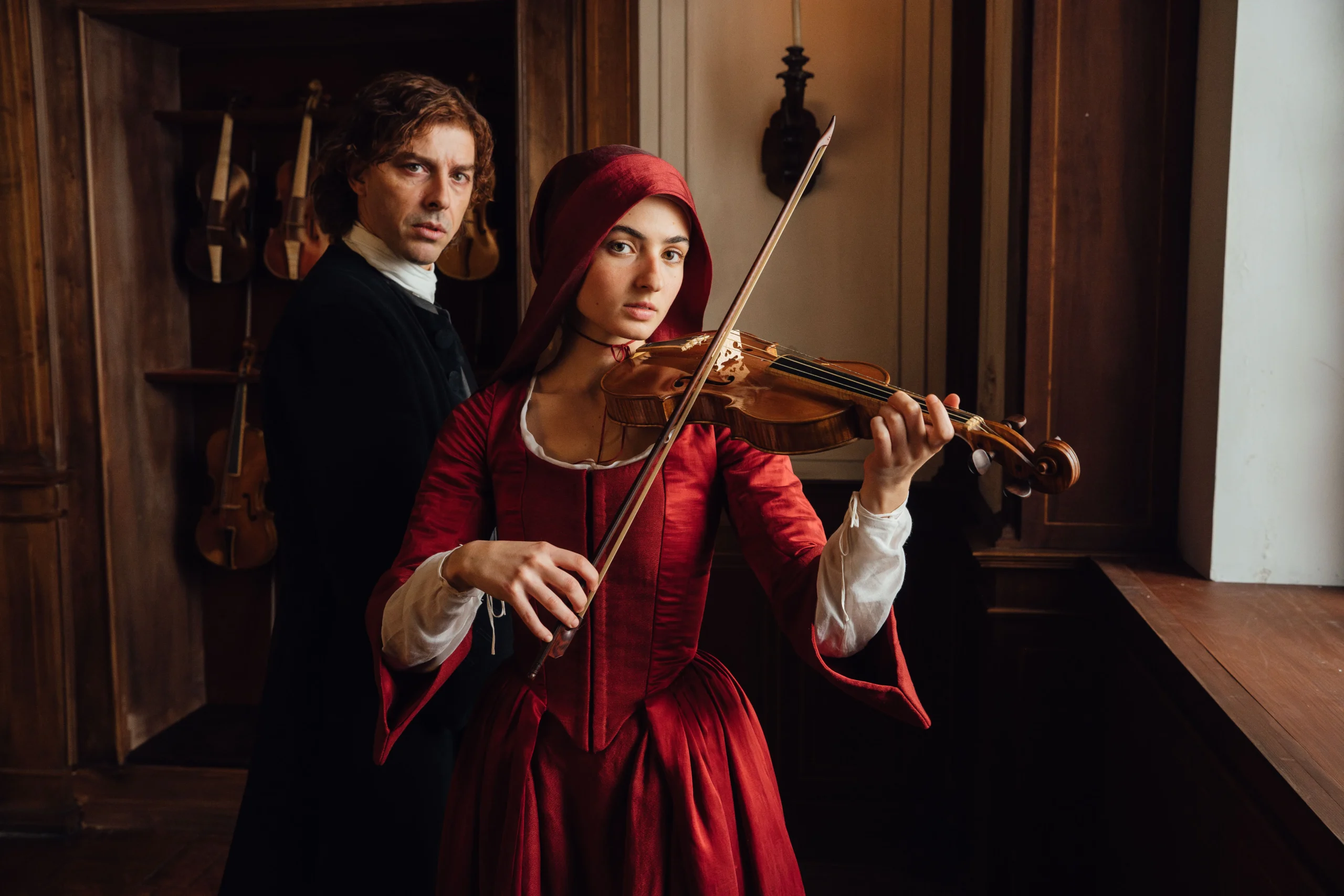
Primavera is a historical drama film released in 2025 and directed by Damiano Michieletto. The film blends music, history, and personal struggle into a powerful story set in 18th-century Venice. Inspired by the novel Stabat Mater by Tiziano Scarpa, the film explores the life of a young violinist living in an orphanage where music provides both opportunity and limitation.
The film stars Tecla Insolia as Cecilia, a gifted young musician, and Michele Riondino as the famous composer Antonio Vivaldi. Through its emotional storytelling and rich musical themes, Primavera offers insight into creativity, personal freedom, and the role of women in society during the early modern period.
At its core, Primavera is a story about identity, ambition, and artistic expression. The film combines historical fact with fictional narrative to create an engaging portrait of a young musician discovering her voice in a restrictive world.
Historical Setting
The story takes place in Venice in the early 18th century, a time when music played an important role in both religious and cultural life. Venice was a major centre of artistic activity, known for its architecture, art, and musical innovation.
One of the most significant institutions in the film is the Ospedale della Pietà, a real orphanage that provided musical training to talented girls. The Pietà became famous throughout Europe for its orchestra and choir, which performed for wealthy visitors behind decorative screens.
Although the orphanage offered education and musical training, it also imposed strict limitations on the lives of its residents. Many girls spent their entire lives within the institution, unable to freely choose their futures. The film highlights this tension between opportunity and restriction, showing how artistic talent could both empower and confine individuals.
Antonio Vivaldi, one of the most influential composers of the Baroque period, worked at the Pietà as a music teacher and composer. His presence in the film reflects the historical importance of the institution in shaping European music.
Plot Overview
The story follows Cecilia, a 20-year-old violinist who has lived most of her life in the Pietà orphanage. She is exceptionally talented and deeply passionate about music, yet her life is controlled by the strict rules of the institution.
Although she performs for wealthy audiences, she must do so behind a screen, meaning she cannot fully express herself or gain recognition as an individual artist. Her musical ability allows her to communicate emotions that she cannot express through words.
Cecilia’s life changes dramatically when a new music teacher arrives at the orphanage. The teacher is Antonio Vivaldi, a composer known for his innovative style and expressive compositions. Through Vivaldi’s mentorship, Cecilia begins to explore new musical ideas and gain confidence in her artistic identity.
The film portrays the relationship between Cecilia and Vivaldi as complex and inspiring. Rather than focusing solely on the famous composer, the narrative emphasises Cecilia’s personal journey as she confronts the expectations placed upon her.
As Cecilia develops her skills, she begins to question the limitations imposed by the orphanage and the broader society in which she lives. Her journey reflects a desire for independence and recognition as an artist in her own right.
Themes of the Film
Artistic Expression
Music plays a central role in Primavera. The violin becomes a symbol of Cecilia’s voice, allowing her to communicate feelings and ideas that might otherwise remain hidden.
The film explores the relationship between creativity and freedom. Cecilia’s musical talent gives her a sense of purpose, yet the environment in which she lives prevents her from fully realising her potential.
By showing the emotional power of music, the film emphasises the importance of artistic expression as a means of self-discovery.
Women and Society
Another important theme in the film is the limited role available to women in the 18th century. Cecilia’s future appears predetermined, with marriage presented as the only acceptable way to leave the orphanage.
The film reflects modern perspectives on gender equality by highlighting the challenges faced by women in historical contexts. Cecilia’s struggle represents a broader desire for independence and recognition beyond traditional expectations.
Some critics have described the film as presenting a feminist interpretation of history, focusing on the experiences of women whose contributions may have been overlooked.
Mentorship and Influence
The relationship between Cecilia and Vivaldi illustrates the importance of mentorship in artistic development. Vivaldi encourages Cecilia to develop her musical voice, helping her gain confidence and explore new possibilities.
However, the film does not portray Vivaldi as the sole focus of the story. Instead, the narrative emphasises Cecilia’s growth as an independent artist.
This approach shifts attention away from traditional biographical storytelling and instead highlights the influence of lesser-known individuals in shaping artistic history.
Music in the Film
Because the story centres on a composer and a violinist, music plays a crucial role in the emotional impact of the film.
Antonio Vivaldi is famous for compositions such as The Four Seasons, one of the most recognisable works in classical music. The film incorporates musical elements inspired by the Baroque style, creating an atmosphere that reflects the cultural environment of 18th-century Venice.
The soundtrack enhances the emotional depth of the story, helping audiences connect with Cecilia’s experiences. Music is used not only as entertainment but also as a narrative device that reveals character development.
The combination of visual storytelling and musical performance creates a cinematic experience that appeals to both film enthusiasts and classical music lovers.
Cinematography and Visual Style
The film is notable for its atmospheric depiction of Venice. The city’s canals, architecture, and historical buildings create a visually rich environment that enhances the storytelling.
Lighting and costume design contribute to the authenticity of the historical setting. The use of period clothing and carefully designed interiors helps immerse viewers in the world of the early 18th century.
The visual style of the film emphasises contrast between beauty and confinement. While Venice appears elegant and artistic, the orphanage represents limitation and control.
Through careful cinematography, the film communicates emotional themes without relying solely on dialogue.
Reception and Critical Response
Primavera premiered at the Toronto International Film Festival in 2025, where it attracted attention for its combination of historical drama and musical storytelling.
The film has received praise for its performances, particularly the portrayal of Cecilia by Tecla Insolia. Critics have also highlighted the film’s ability to combine historical detail with contemporary themes.
Some reviewers have noted that the film presents a reinterpretation of classical music history by focusing on lesser-known perspectives.
The film has also received awards at international film festivals, demonstrating its appeal to audiences interested in historical drama and music.
Cultural Significance
Primavera contributes to a growing trend of films that re-examine historical narratives from new perspectives. By focusing on Cecilia’s experiences, the film invites viewers to consider how many talented individuals may have been overlooked due to social limitations.
The film also demonstrates the continued relevance of classical music in modern culture. Composers such as Antonio Vivaldi remain widely performed today, and their work continues to inspire contemporary artists.
By combining historical research with creative storytelling, Primavera bridges the gap between past and present.
Conclusion
Primavera is a thoughtful and visually compelling film that explores music, identity, and personal freedom. Through the story of Cecilia, the film highlights the challenges faced by artists seeking recognition in restrictive environments.
The collaboration between Cecilia and Antonio Vivaldi provides insight into the creative process and the importance of mentorship. At the same time, the film encourages viewers to consider broader social issues such as gender equality and artistic independence.
With its rich historical setting, emotional performances, and powerful musical themes, Primavera offers a meaningful cinematic experience. It reminds audiences that art has the power to inspire change and give voice to those who might otherwise remain unheard.
For viewers interested in historical drama, classical music, or stories about personal growth, Primavera provides a compelling exploration of creativity and resilience.
