
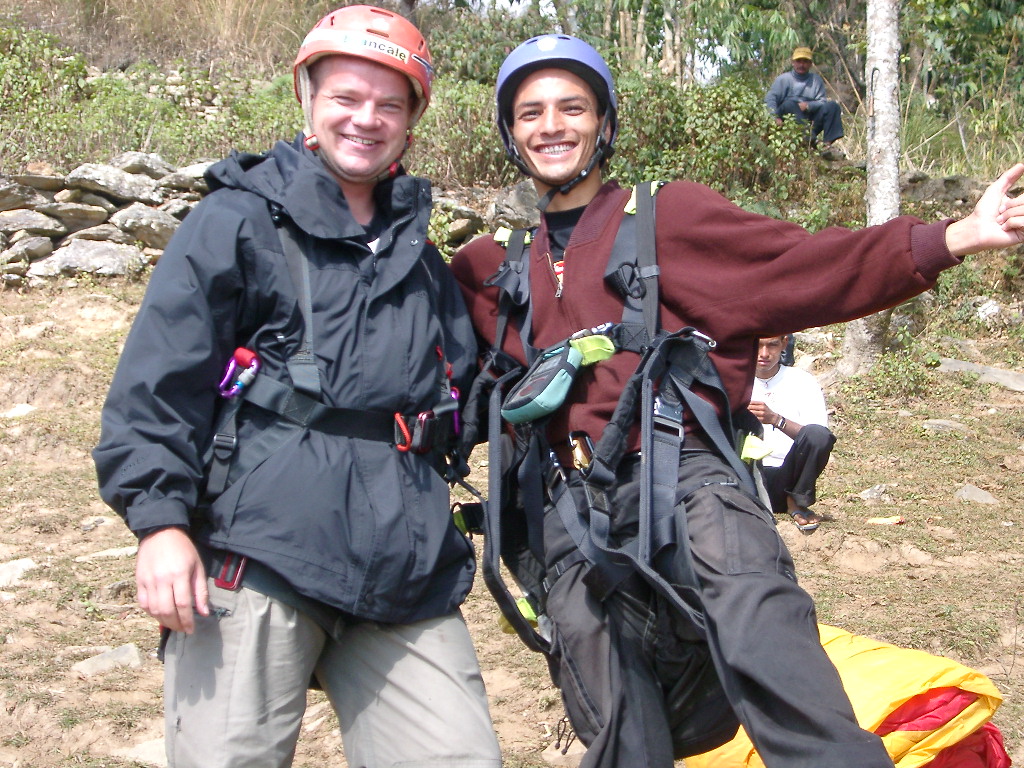
After completing the Annapurna Base Camp trek, my body was tired in a way that only sustained days of walking at altitude can achieve. Muscles ached, joints protested, and yet there was an unmistakable sense of accomplishment that came from having followed ancient trails through villages, forests, and high mountain landscapes to one of the most iconic viewpoints in the Himalayas. Returning to Pokhara felt like stepping back into civilisation gently — not abruptly, but with a sense of relief and quiet satisfaction.
It was there, in this lakeside town nestled beneath the Annapurna range, that I decided to experience something entirely different: paragliding. After days of looking up at the mountains from below, the idea of floating above the landscape felt like the perfect counterpoint to the trek — less about endurance and effort, and more about surrendering to air, gravity, and trust.
Pokhara: A Gateway Between Earth and Sky
Pokhara has a unique energy. It is both relaxed and adventurous, a place where trekkers decompress and thrill-seekers re-engage. The town sits beside Phewa Lake, its calm waters reflecting the surrounding hills and, on clear days, the distant snow-capped peaks. From the shoreline, paragliders can often be seen drifting silently overhead, bright canopies cutting across the sky.
Having just come down from the intensity of Annapurna Base Camp, watching those gliders felt almost surreal. Only days earlier, every step had required effort and focus. Now, people seemed to float effortlessly above the valley. That contrast alone was enough to convince me to try it.
Preparing for Flight
The morning of the flight began early. We were driven up into the hills above Pokhara, the road winding higher with each turn. As the altitude increased, so did the anticipation. From the launch site, the view opened dramatically — rolling green hills dropping away toward Phewa Lake, with Pokhara spread out below like a map.
The instructors moved with calm efficiency, laying out the chutes, checking harnesses, and explaining procedures. Despite the casual atmosphere, it was clear they were highly experienced. Still, standing at the edge of a hillside with a paraglider laid out behind me, I felt that familiar mix of excitement and vulnerability that comes when you place your safety in someone else’s hands.
After days of controlling my own progress on foot during the trek, this was different. Paragliding requires trust — in the equipment, the conditions, and the instructor.
The Moment of Take-Off
The launch itself was surprisingly simple. A few quick steps forward, the canopy catching the wind behind us, and suddenly the ground dropped away. There was no jolt, no dramatic leap — just a smooth transition from running to floating.
The silence was immediate and profound. Unlike trekking, where breathing and footfall dominate your awareness, paragliding strips everything back. The only sound was the wind passing gently over the chute. The sensation was less like flying and more like being suspended, as though gravity had loosened its grip.
Below us, Pokhara stretched out toward Phewa Lake, its surface glinting in the sunlight.
A New Perspective After Annapurna
Having recently completed the Annapurna Base Camp trek, the contrast was striking. On the trail, the landscape reveals itself slowly, step by step. Paragliding offered the opposite: an expansive, immediate view that made distances feel small and terrain feel sculptural.
From above, the hills looked softer, the valleys more fluid. Paths I had walked days earlier were now invisible, swallowed by greenery. It was humbling to realise how differently the same landscape can be experienced depending on perspective.
There was a sense of lightness — not just physical, but mental. The weight of the trek, the fatigue, the constant focus on footing and altitude, all seemed to dissolve into the air.
The Thrill-Seeking Moment
Mid-flight, just as I was settling fully into the experience, an unexpected moment injected a sharp edge of adrenaline. One of the thrill-seeking instructors nearby manoeuvred close enough to briefly clip their chute to another instructor’s paraglider. It was clearly intentional and executed with confidence, but the implications were impossible to ignore.
For a brief moment, the calm was punctured by the realisation of what could go wrong. If the chutes had become intertwined, the situation could have escalated quickly and disastrously. Paragliding, for all its serenity, is unforgiving of mistakes.
Although the instructors were experienced and the manoeuvre controlled, it was a stark reminder that this was not a theme-park ride. We were suspended hundreds of metres above the ground, reliant on fabric, air currents, and judgement.
That fleeting moment sharpened my awareness of the risks involved — not enough to overshadow the experience, but enough to add gravity to it.
Returning to Calm
Almost as quickly as the tension arose, it passed. The gliders separated cleanly, and the sky returned to its quiet rhythm. The instructor guiding my flight reassured me calmly, explaining that the manoeuvre was safe when done correctly, though not something usually demonstrated during standard flights.
As my breathing slowed again, I became aware of how my senses had heightened. Colours seemed brighter, the breeze more noticeable, the scale of the landscape more pronounced. Sometimes, it takes a brief encounter with risk to fully appreciate the calm that follows.
Phewa Lake from Above
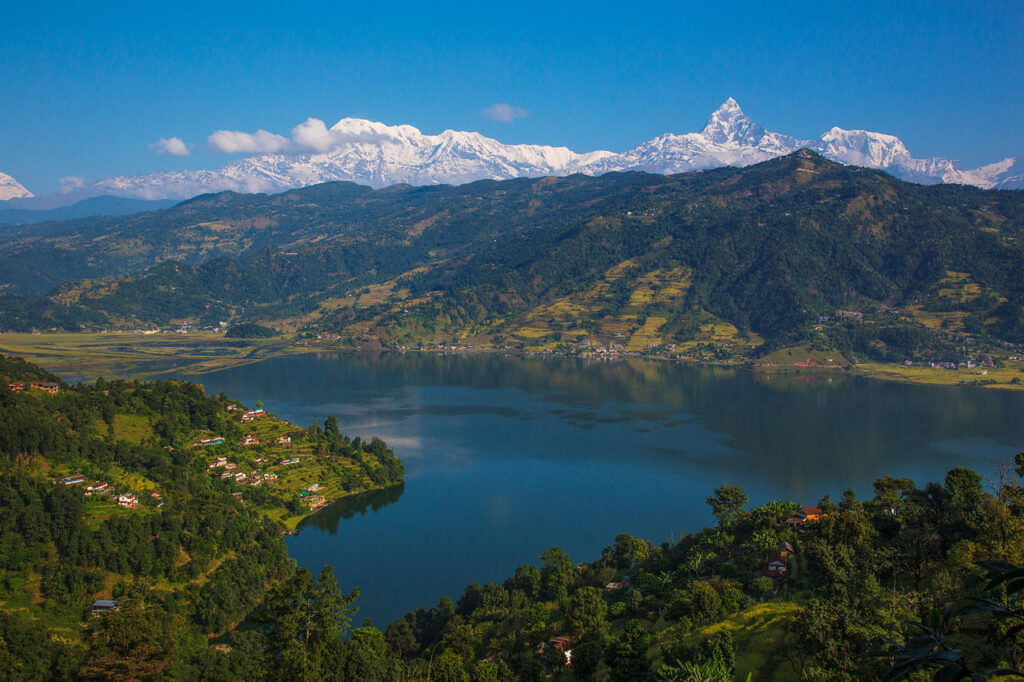
The view of Phewa Lake was extraordinary. From the air, it appeared vast and perfectly still, its deep blue surface reflecting the sky above. Boats moved slowly across it, leaving faint trails that looked almost unreal from above.
The lake acted as a visual anchor, grounding the experience. After days in the mountains and moments of aerial tension, its calm presence below felt reassuring. The contrast between water and sky, between stillness and motion, was beautiful.
I remember thinking how different the lake must look to those on the shore — and how privileged I felt to see it from this angle.
Letting Go
As the flight continued, the initial excitement gave way to something deeper: acceptance. I stopped analysing every movement and simply allowed myself to be present. The instructor pointed out landmarks, but words felt almost unnecessary.
This was not about conquering anything, unlike the trek. Paragliding demanded surrender, not effort. That shift in mindset was refreshing, especially after Annapurna, where progress had been earned step by step.
The Descent and Landing
Eventually, we began our descent toward the landing area near the lakeside. The ground rose slowly to meet us, and the familiar details of life returned — people walking, vehicles moving, everyday sounds re-emerging.
The landing was gentle and unremarkable, which somehow felt perfect. After floating silently through the air, there was no need for drama.
Stepping out of the harness, I felt a rush of emotion — exhilaration, relief, and gratitude all at once.
Reflection
Looking back, paragliding in Pokhara was the ideal way to complete the journey that had begun on the Annapurna trails. Where the trek had tested endurance, paragliding tested trust. Where the mountains demanded effort, the sky demanded surrender.
The brief, risky moment involving the instructors added an edge that underscored the reality of the experience. It reminded me that adventure is not just about beauty, but about risk managed with respect and skill.
Final Thoughts
Paragliding over Pokhara, with Phewa Lake shimmering below and the Himalayas watching silently from the distance, remains one of the most powerful travel experiences I’ve had. It was a moment of perspective — literally and figuratively — that balanced the physical challenge of Annapurna with the freedom of flight.
After days of climbing toward the mountains, I found myself drifting above them instead, reminded that sometimes the greatest reward comes not from pushing forward, but from letting go.
