
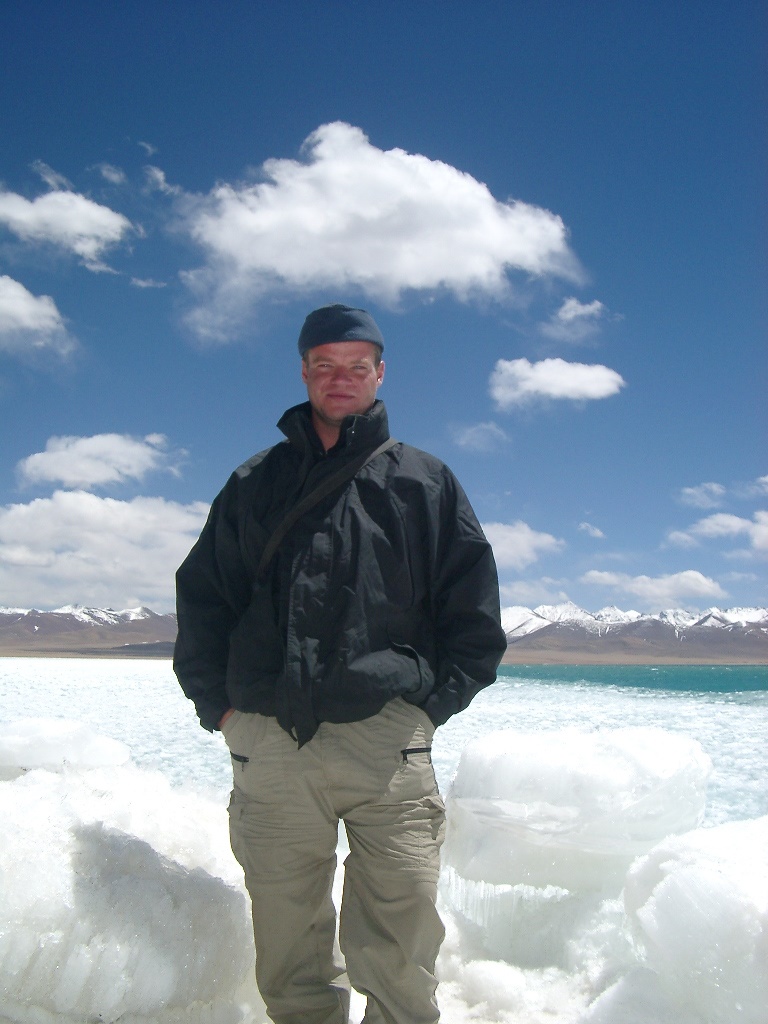
There are places in the world that feel less like destinations and more like thresholds — locations where the physical world seems to thin, giving way to something quieter, deeper, and profoundly humbling. Namtso Lake, high on the Tibetan Plateau, is one such place. Often referred to as one of the highest saltwater lakes in the world, Namtso is more than a geographic feature; it is a spiritual landscape, a place of pilgrimage, and an encounter with altitude, isolation, and awe.
At over 4,700 metres above sea level, Namtso is not easily reached, nor does it reveal itself casually. Visiting it requires time, effort, and endurance, and perhaps that is why the experience feels so transformative. The journey itself prepares you for what awaits — a vast, silent expanse of water framed by snow-capped mountains and an endless sky.
The Journey Across the Plateau
Reaching Namtso involves travelling across the Tibetan Plateau, a landscape unlike any other. The drive from Lhasa unfolds slowly, revealing wide-open plains where the horizon feels impossibly distant. The land is sparse, almost lunar in places, punctuated by grazing yaks, nomadic tents, and prayer flags fluttering in the relentless wind.
As the altitude increases, the body becomes more aware of its limits. Breathing feels heavier, movements slower. Every step requires intention. Yet despite the physical strain, the landscape exerts a strange calming influence. There is a vastness here that dwarfs personal discomfort, making fatigue feel insignificant against the scale of the environment.
The sky seems closer in Tibet, a deep, intense blue that stretches endlessly overhead. Clouds move quickly, casting shifting shadows across the land. The light is sharp and unforgiving, illuminating every contour of the mountains and plains.
First Sight of Namtso
When Namtso Lake finally comes into view, it arrives without warning. One moment the road winds through barren terrain, and the next, a vast sheet of brilliant turquoise water appears, shimmering against the stark browns and whites of the surrounding mountains. The contrast is startling.
The lake feels unreal, almost surreal, as though someone had placed a piece of sky onto the earth. The colour shifts depending on the light — deep blue, green, and aquamarine — reflecting the sky above with uncanny clarity. Snow-covered peaks encircle the lake, reinforcing the sense of isolation and grandeur.
Standing there for the first time, I felt a profound stillness. Not the absence of sound, but a quiet so complete that it seemed to absorb thought itself. The wind whispered across the water, and the only other sounds were distant footsteps and the faint flutter of prayer flags.
A Sacred Landscape
Namtso is not just a natural wonder; it is one of the most sacred lakes in Tibetan Buddhism. Pilgrims travel great distances to circumambulate the lake, believing that walking its perimeter cleanses sins and brings spiritual merit. For many, this pilgrimage is undertaken under extreme conditions — cold, wind, and altitude — yet their devotion is unwavering.
Prayer flags line the shoreline, their faded colours bearing mantras and prayers that have been carried by the wind across the plateau. Small stone cairns, known as ovoo, dot the landscape, each one a silent offering of respect.
Observing the pilgrims, I felt a deep respect for their commitment. Their presence added a spiritual dimension to the lake, reinforcing the idea that this place is not merely seen but revered. The natural beauty of Namtso feels inseparable from its spiritual significance; the two exist in harmony.
The Physical Challenge
At this altitude, even simple actions demand effort. Walking along the shore, I became acutely aware of my breathing. Each step felt slower, heavier, as though the air itself resisted movement. The cold wind cut through clothing, reminding me how exposed the plateau truly is.
Yet these challenges sharpen the experience rather than detract from it. The physical discomfort anchors you in the present moment, making every sensation more vivid. The cold on the skin, the crunch of gravel underfoot, the vast openness of the sky — all combine to create a heightened state of awareness.
Sitting by the lake, wrapped in layers, I felt both fragile and deeply alive. The environment does not accommodate comfort easily, but it offers something far more valuable: clarity.
The Water and the Light
The surface of Namtso Lake is rarely still. Gentle waves ripple across it, catching the light and scattering it in countless directions. The reflections are constantly shifting, never settling into a single image. Clouds pass overhead, and their shapes appear briefly in the water before dissolving again.
The light at Namtso is extraordinary. At this altitude, the sun feels closer, its warmth intense despite the cold air. Shadows are sharp and defined, carving depth into the landscape. As the day progresses, the colours deepen, becoming richer and more saturated.
During moments when the wind calms, the lake becomes a perfect mirror, reflecting the mountains with startling clarity. In those moments, the boundary between land, water, and sky seems to vanish.
Isolation and Perspective
One of the most powerful aspects of Namtso is its remoteness. There are no cities, no crowds, no distractions. Mobile signals fade, and time loses its usual structure. Without constant noise or activity, the mind begins to settle.
I found myself thinking less about plans, deadlines, or past events, and more about the present moment. The scale of the landscape encourages introspection. Personal concerns feel small here, not insignificant, but placed into a broader context.
There is humility in standing at Namtso. The lake has existed for millennia, shaped by geological forces far beyond human control. It will remain long after individual lives pass. This awareness brings both comfort and perspective.
The Spiritual Atmosphere
Even for those without religious beliefs, Namtso exudes a spiritual quality. The combination of altitude, silence, and vastness creates an atmosphere that invites reflection. It is easy to understand why this place holds such deep significance for Tibetan Buddhists.
Watching pilgrims prostrate themselves along the shore, whispering prayers into the wind, I felt a sense of shared humanity. Their devotion is rooted in a relationship with the land — a recognition that nature itself can be sacred.
The prayer flags snapping in the wind seemed to animate the space, as though carrying human hopes upward into the sky. In that moment, Namtso felt like a meeting point between earth and heaven.
Departure and Lasting Impressions
Leaving Namtso was unexpectedly emotional. As the lake gradually disappeared from view, I felt a reluctance to return to the noise and pace of modern life. The experience had stripped away distractions, leaving behind a sense of calm and clarity.
Even days later, memories of Namtso returned unbidden — the colour of the water, the bite of the wind, the endless sky. It is the kind of place that imprints itself on the mind, not through drama or spectacle, but through quiet power.
Conclusion
Visiting Namtso Lake is not about ticking off a destination. It is about slowing down, enduring discomfort, and opening oneself to the scale and silence of the Tibetan Plateau. It is a place that demands respect, patience, and presence.
Namtso offers no luxury, no ease, and no convenience. What it offers instead is something rarer: a chance to experience stillness in its purest form, to confront both the vastness of the world and one’s place within it.
At the edge of the sky, beside waters that mirror the heavens, Namtso Lake reminds us that some of the most profound journeys are not measured in distance, but in depth.
