
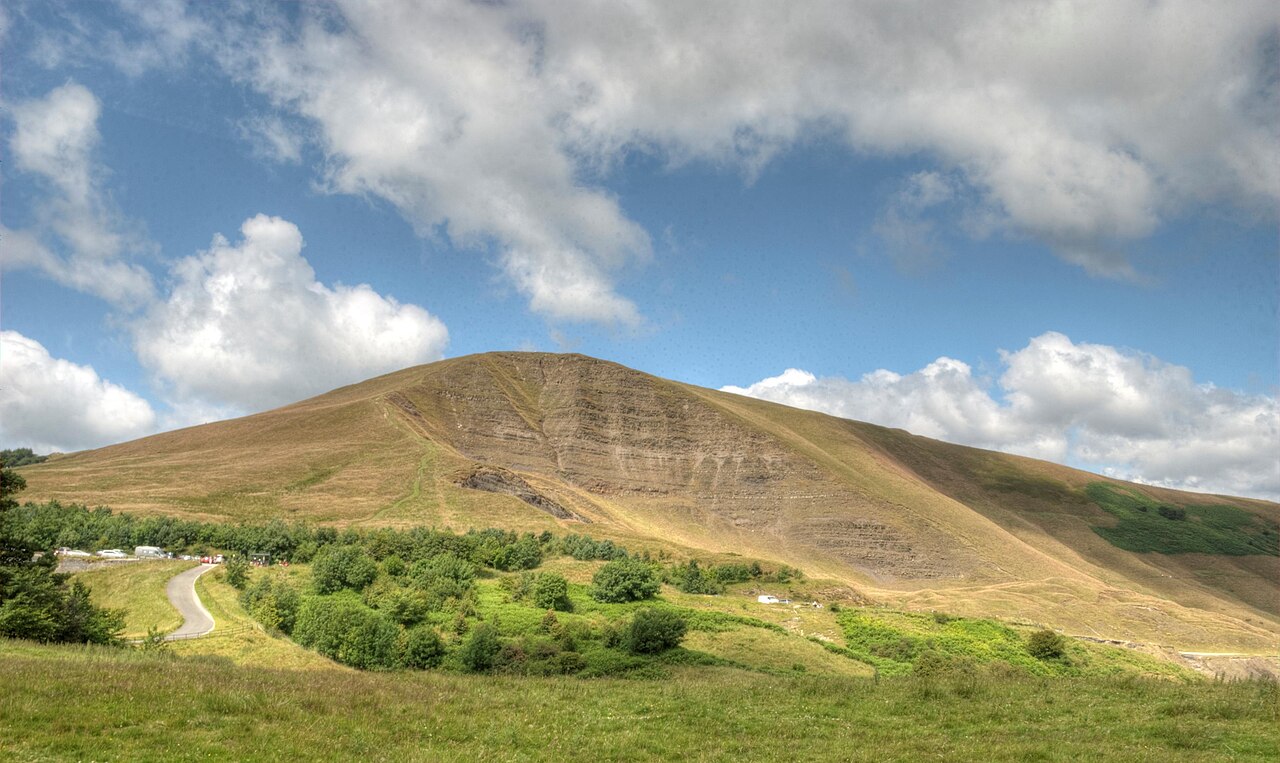
Standing proudly in the heart of the Peak District National Park, Mam Tor is one of the most iconic hills in England. Known as the “Shivering Mountain” due to its unstable geology, Mam Tor rises to 517 metres (1,696 feet) above sea level, offering breathtaking panoramic views, rich history, and incredible hiking opportunities. Its striking presence, geological significance, and historical importance make it a must-visit destination for walkers, photographers, history enthusiasts, and nature lovers alike.
In this article, we will explore the geography, geology, history, hiking experiences, flora and fauna, photography opportunities, and visitor tips for Mam Tor, highlighting why it remains one of the Peak District’s most beloved landmarks.
1. Geography and Location
Mam Tor is located near the village of Castleton in Derbyshire, part of the Dark Peak area of the Peak District. Its position offers strategic vantage points, providing sweeping views over the surrounding valleys, including Hope Valley, Edale, and the Vale of Edale.
The hill’s name, Mam Tor, is derived from Old English and Old Norse roots:
- “Mam” means “mother” or “breast,” reflecting the hill’s rounded shape.
- “Tor” is a term for a hill or rocky outcrop.
This combination emphasizes its distinctive, rounded summit and its status as a notable landmark within the Peak District landscape.
Mam Tor’s proximity to other attractions like the Great Ridge, Hollins Cross, and Castleton village makes it an ideal base for day hikes and exploring the wider area.
2. Geology and the “Shivering Mountain”
Mam Tor is famous for its geological instability, which has earned it the nickname “Shivering Mountain.”
2.1 Landslides and Slopes
- The hill is composed primarily of shales and sandstones, which are prone to slumping and landslides.
- The eastern slopes have experienced continuous landslips for centuries, some dating back to at least the 18th century.
- A major landslide in 1979 forced the closure of the B6270 road, which once wound around the base of the hill. Sections of the old road are now partially buried under scree, providing a striking visual of nature reclaiming the landscape.
2.2 Geological Significance
- Mam Tor’s landslides are studied by geologists as classic examples of rotational slip and mass movement, offering insights into erosion, sedimentation, and landscape evolution.
- Its unstable slopes contribute to the unique soil and drainage patterns, which support specific plant communities and ecosystems.
The “Shivering Mountain” is a reminder of the dynamic forces that shape landscapes over millennia.
3. Historical Significance
Mam Tor has a rich history, spanning from prehistoric times to modern tourism:
3.1 Bronze Age Settlements
- Evidence of Bronze Age hill forts has been found at the summit.
- Archaeologists have uncovered circular enclosures and defensive earthworks, indicating the hill’s strategic importance for early communities.
- These fortifications offered protection while allowing inhabitants to survey the surrounding valleys, making it a natural defensive position.
3.2 Medieval History
- During the medieval period, Mam Tor remained an important landmark, marking routes and grazing territories.
- Shepherds and local communities would have used the slopes for summer grazing, integrating the hill into daily life.
3.3 Modern Recognition
- Today, Mam Tor is protected as part of the Peak District National Park and is recognized for both its natural and historical importance.
- The hill attracts thousands of visitors each year, eager to experience its combination of scenic beauty, hiking, and history.
4. Hiking and Outdoor Recreation
Mam Tor is one of the most popular hiking destinations in the Peak District due to its accessibility, variety of trails, and spectacular views.
4.1 The Great Ridge Walk
- The hill forms part of the Great Ridge, a famous walking route that includes Hollins Cross, Back Tor, and Lose Hill.
- The ridge offers a moderate hiking challenge, with exposed sections, rolling terrain, and 360-degree views of the surrounding countryside.
4.2 Summit Ascent
- Reaching the summit of Mam Tor is achievable from several starting points, including Castleton and Edale.
- The hike is family-friendly, though care is needed on the loose scree and steep slopes.
- At the summit, visitors can see rocky outcrops, Bronze Age fortifications, and distant peaks, making it a rewarding experience for both walkers and photographers.
4.3 Walking Tips
- Wear sturdy footwear, as paths can be muddy or uneven, especially after rain.
- Bring layers, as the summit can be windy and cooler than the valleys below.
- Early morning or late afternoon hikes offer dramatic lighting and fewer crowds, ideal for photography.
5. Flora and Fauna
Despite its rocky slopes and exposed terrain, Mam Tor supports a diverse range of plant and animal life:
5.1 Flora
- Heather and bilberry dominate the higher slopes, adding colour during late summer.
- Grasslands provide habitat for wildflowers such as orchids, primroses, and mountain pansies.
- The scree and landslip areas host specialist plant communities adapted to unstable soil.
5.2 Fauna
- Birds such as red grouse, skylarks, and meadow pipits are commonly seen.
- Small mammals, including hares and voles, inhabit the grassland areas.
- Insects, including butterflies and bees, thrive in the wildflower meadows, supporting biodiversity.
The combination of geology, elevation, and human management makes Mam Tor an ecologically important area within the Peak District.
6. Photography and Scenic Opportunities
Mam Tor is a photographer’s paradise, offering stunning views in all seasons:
- Sunrise and sunset: Capture dramatic lighting over the rolling hills and valleys.
- Winter landscapes: Frost and snow create striking contrasts and highlight the hill’s rugged contours.
- Wildlife photography: Birds and plant life provide opportunities for nature-focused photography.
- Historic perspectives: The remains of the Bronze Age fortifications make excellent foreground subjects against the panoramic views.
Whether using a smartphone or professional camera, the combination of history, geology, and scenery makes Mam Tor highly photogenic.
7. Nearby Attractions
Mam Tor is conveniently located near several other Peak District highlights, making it ideal for day trips or extended exploration:
- Castleton Village: Famous for Peveril Castle, Blue John Cavern, and local shops and cafes.
- Edale: Gateway to the Pennine Way, offering additional hiking trails and scenic walks.
- Lose Hill: Part of the Great Ridge, providing stunning complementary views from the opposite side.
- Hope Valley: Perfect for exploring other villages, rivers, and natural landscapes.
Visitors can combine Mam Tor with these locations for a full day of Peak District exploration.
8. Visitor Tips
- Best time to visit: Spring to autumn for milder weather and clearer trails, though winter offers dramatic landscapes.
- Parking: Castleton and Edale provide car parks close to trailheads.
- Food and Drink: Cafes in Castleton and local pubs offer meals before or after hikes.
- Guided walks: Available through local tourist offices for those interested in history, geology, or nature.
- Safety: Stick to marked trails, be cautious on scree slopes, and be prepared for sudden weather changes.
9. Why Mam Tor is Special
Mam Tor stands out for multiple reasons:
- Geological significance: Its landslides make it a textbook example of landscape change.
- Historical importance: Bronze Age fortifications connect visitors to prehistoric times.
- Accessibility: Relatively easy hikes and proximity to villages make it approachable for a wide range of visitors.
- Scenic views: Panoramic vistas of the Peak District make it a top location for photography and nature appreciation.
- Cultural identity: As part of the Dark Peak, Mam Tor symbolizes the Peak District’s rugged beauty and Sheffield/Derbyshire heritage.
It is a location where history, nature, and adventure intersect, offering something for walkers, photographers, and families alike.
10. Conclusion: A Peak District Icon
Mam Tor is more than just a hill—it is a natural, historical, and cultural landmark. From its unstable slopes and Bronze Age fortifications to its sweeping panoramas and ecological richness, it offers visitors a complete Peak District experience. Hiking its trails, exploring its summit, and admiring the views connect visitors with millennia of geological and human history, all within an accessible and awe-inspiring landscape.
Whether you are seeking adventure, history, photography, or simply a day in the great outdoors, Mam Tor delivers on all fronts. It is a must-visit destination in Derbyshire, embodying the wild beauty, historical depth, and accessible adventure that make the Peak District one of England’s most cherished national parks.
Mam Tor is not just a hill—it’s a journey through time, nature, and breathtaking scenery, an enduring symbol of the Peak District’s charm.
