
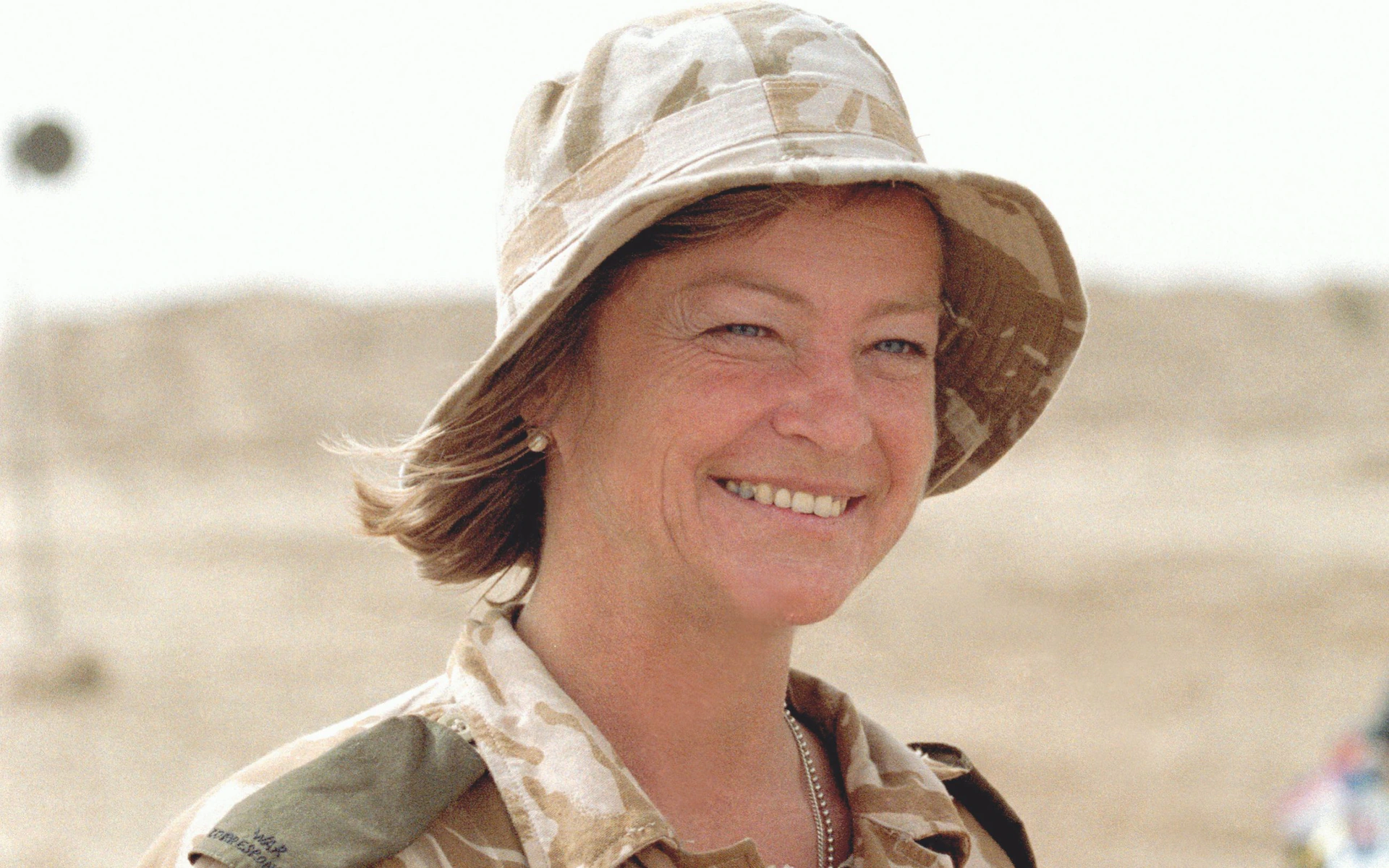
Kate Adie is one of the most respected journalists in British broadcasting history. Best known for her work as a war correspondent for BBC, she built a reputation for calm, authoritative reporting from some of the most dangerous conflict zones in the world. Her career spans several decades and includes coverage of major historical events, wars, revolutions, and disasters. Through her reporting, writing, and broadcasting, Kate Adie has played a significant role in shaping modern journalism and increasing public awareness of international affairs.
Adie is particularly admired for her courage, professionalism, and commitment to accurate reporting. At a time when relatively few women were working as frontline correspondents, she demonstrated that determination and skill could overcome traditional barriers. Her career has inspired many journalists, particularly women, to pursue roles in international reporting.
Early Life and Education
Kate Adie was born on 19 September 1945 in Sunderland, England. She was adopted as a baby and grew up in the North East of England, an area known for its strong industrial heritage and working-class communities. Her early life experiences helped shape her interest in people’s lives and social issues.
She attended the University of Newcastle upon Tyne, where she studied Scandinavian Studies. During her time at university, she developed an interest in languages, culture, and international affairs. Although journalism was not initially her planned career path, her curiosity about the wider world eventually led her towards broadcasting.
After graduating, Adie worked in various roles before joining the BBC as a station assistant. This entry-level position allowed her to gain practical experience in broadcasting and develop the skills that would later define her career.
Early Career at the BBC
Kate Adie joined the BBC in 1968, beginning her career behind the scenes. She worked as a radio producer and later became involved in television news production. Her ability to work under pressure and her willingness to take on challenging assignments soon became evident.
Her breakthrough opportunity came when she began working as a reporter for BBC News. During this period, television news was becoming increasingly important, and audiences were beginning to expect live coverage from significant events. Adie demonstrated an ability to communicate complex situations clearly and effectively, making her well suited to the fast-paced world of broadcast journalism.
Her early assignments included covering domestic news stories, political events, and social issues within the United Kingdom. These experiences helped her build confidence and develop a distinctive reporting style characterised by clarity, accuracy, and professionalism.
War Correspondent Career
Kate Adie became widely known for her work as a war correspondent. Reporting from conflict zones requires not only journalistic skill but also courage and resilience. Adie covered numerous international conflicts and major global events, often working in dangerous and unpredictable environments.
One of the most significant moments in her career occurred in 1980 when she was part of the team covering the Iranian Embassy Siege in London. During this dramatic event, armed gunmen took hostages inside the Iranian Embassy. The situation ended when the Special Air Service carried out a rescue operation. Adie’s live reporting brought the unfolding situation directly to television audiences, demonstrating the growing importance of live broadcast journalism.
Another notable event she covered was the Tiananmen Square protests in China. These protests, led largely by students, called for political reform and greater freedoms. The Chinese government’s military response attracted global attention and remains one of the most significant political events of the late twentieth century.
Adie also reported from the Gulf War, providing coverage of military operations and their impact on civilians. Her reports helped viewers understand the human consequences of war as well as the political context.
Throughout her career, she reported from numerous countries experiencing conflict or political instability, including Bosnia, Kosovo, Afghanistan, and Iraq. Her work often involved travelling to areas where safety could not be guaranteed, yet she remained committed to informing the public about events that shaped global politics.
Reporting Style and Professional Reputation
Kate Adie’s reporting style is known for its calm and authoritative tone. She has often been praised for her ability to communicate clearly even in chaotic situations. Her presence on screen conveyed reliability and professionalism, qualities that helped build trust with viewers.
War correspondents must make quick decisions about what information to share and how to present it responsibly. Adie demonstrated a strong understanding of journalistic ethics, ensuring that her reporting remained accurate and balanced.
Her work contributed to a broader understanding of international affairs among the British public. By explaining complex political situations in an accessible way, she helped audiences appreciate the significance of global events.
Adie also became known for her distinctive voice, which became familiar to television audiences over many years of broadcasting.
Later Career and Broadcasting Work
After many years as a frontline correspondent, Kate Adie took on new roles within broadcasting. She became the presenter of the BBC Radio 4 programme From Our Own Correspondent, a long-running series featuring reports from journalists around the world.
Through this programme, she continued to contribute to international journalism by introducing stories that explored cultural, political, and social issues across different countries.
Her work on radio allowed her to focus on storytelling and analysis, providing deeper insight into global events beyond immediate news coverage.
Writing and Publications
In addition to her broadcasting career, Kate Adie is also an accomplished author. She has written several books about journalism, history, and social change.
One of her most well-known books is The Kindness of Strangers, a memoir describing her experiences as a war correspondent. The book provides insight into the challenges of reporting from dangerous locations and the unexpected kindness she encountered from people around the world.
Another notable work is Corsets to Camouflage, which explores the role of women in war reporting throughout history. The book highlights the contributions of female journalists who worked in difficult conditions long before women were widely accepted in such roles.
Her writing demonstrates her interest in both historical research and personal reflection.
Awards and Recognition
Kate Adie’s contributions to journalism have been widely recognised. She has received numerous awards for her reporting and broadcasting achievements.
In 1993 she was appointed Officer of the Order of the British Empire (OBE) in recognition of her services to journalism. She later received a Commander of the Order of the British Empire (CBE), further acknowledging her influence on the profession.
She has also received honorary degrees from several universities, recognising her contribution to media and communication.
These honours reflect the respect she has earned within the journalism community.
Influence on Journalism
Kate Adie’s career helped change perceptions about women working in war reporting. At the beginning of her career, frontline journalism was often dominated by men. Through her work, she demonstrated that women could succeed in demanding and high-risk reporting roles.
Her example encouraged greater diversity in journalism and helped open opportunities for future generations of reporters.
She also demonstrated the importance of responsible journalism in maintaining public understanding of international events.
Legacy
Kate Adie’s legacy lies in her commitment to truthful and responsible reporting. Her work helped audiences understand some of the most important historical events of the late twentieth century.
Her career reflects the evolution of broadcast journalism, from traditional news reporting to live international coverage. She witnessed the development of new technologies that made global reporting more immediate and accessible.
Her influence continues through her writing, broadcasting, and public speaking.
Conclusion
Kate Adie remains one of the most respected figures in British journalism. Her work as a war correspondent, author, and broadcaster has contributed significantly to public understanding of global events.
Through her courage, professionalism, and dedication to truth, she helped shape modern broadcast journalism. Her career demonstrates the importance of reliable information in an increasingly complex world.
From reporting on major international conflicts to presenting thoughtful radio programmes, Kate Adie has consistently demonstrated the value of careful observation and clear communication.
Her legacy continues to inspire journalists and audiences alike, reminding us of the vital role journalism plays in helping society understand itself and the wider world.
