
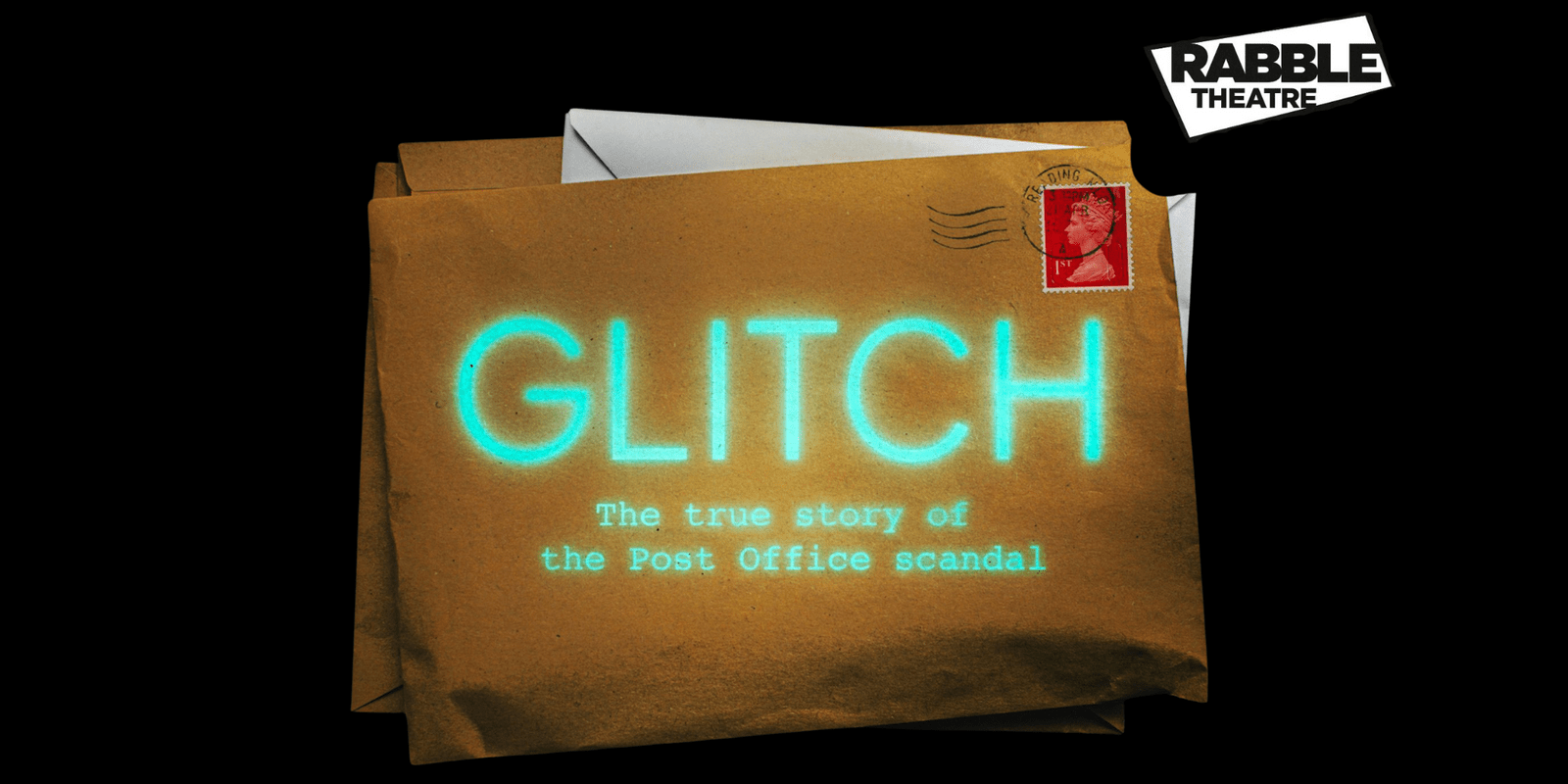
Glitch – The True Story of the Post Office Scandal, performed at Northern Stage, is a powerful and thought-provoking stage production that examines one of the most serious miscarriages of justice in modern British history. The play explores the devastating consequences of the Horizon IT scandal, in which hundreds of sub-postmasters across the United Kingdom were wrongly accused of theft, fraud, and false accounting due to faults in a computer system. Through dramatic storytelling, documentary-style dialogue, and emotional performances, the production brings attention to the human impact of institutional failure and the long struggle for justice.
The Post Office scandal centres on the faulty Horizon accounting system, developed by the technology company Fujitsu and introduced by the Post Office Limited in the late 1990s. The system was intended to modernise financial record keeping for local post offices across the country. However, serious software errors began to generate unexplained shortfalls in accounts, leading the Post Office to believe that money had been stolen by sub-postmasters. Many individuals were prosecuted, dismissed from their positions, or forced to repay large sums of money to cover discrepancies that were not their fault.
The play presents these events from the perspective of the people directly affected, showing how ordinary individuals became trapped in a nightmare created by technology and bureaucracy. Many sub-postmasters had invested their savings into running local post offices, often serving as trusted members of their communities. When the Horizon system began reporting financial shortfalls, they initially assumed that they had made accounting errors. However, as the discrepancies increased, some faced accusations of criminal behaviour, despite having no evidence of wrongdoing.
One of the strengths of Glitch is its ability to translate complex technical and legal issues into a compelling theatrical narrative. The production uses clear dialogue and carefully structured scenes to explain how software errors can occur and why they can be difficult to detect. The play demonstrates that computer systems are not infallible and that blind trust in technology can lead to serious consequences. It highlights how the assumption that computers are always correct can override common sense and human judgement.
The emotional impact of the story is significant. Many of those accused experienced severe financial hardship, loss of reputation, and psychological distress. Some were imprisoned, while others lost their businesses and homes. The play explores how these events affected families and communities, showing that the consequences extended far beyond the individuals directly accused. Relationships were damaged, and trust in public institutions was weakened.
The production also examines the institutional culture that allowed the problem to continue for many years. Evidence later emerged suggesting that both the Post Office and Fujitsu were aware of problems within the Horizon system but failed to adequately investigate or disclose them. This lack of transparency contributed to the continuation of wrongful prosecutions. The play raises important questions about accountability and the responsibility of organisations to act ethically when problems are identified.
A significant figure in bringing attention to the scandal was journalist Nick Wallis, who spent years investigating the issue and reporting on the experiences of affected sub-postmasters. His work helped raise public awareness and contributed to legal challenges that eventually exposed the flaws in the Horizon system. The play acknowledges the importance of investigative journalism in holding powerful institutions accountable.
The legal battle to overturn wrongful convictions became one of the largest group litigation cases in British history. In 2019, the High Court ruled that the Horizon system contained serious errors, undermining the reliability of the evidence used in prosecutions. Subsequent appeals led to the overturning of many convictions, although the process has been slow and ongoing. The play captures the sense of frustration felt by those still seeking justice after many years.
Watching Glitch at Northern Stage adds a regional dimension to the story. The North East of England has strong connections to community-based services such as local post offices, which often serve as essential hubs in towns and villages. The audience is reminded that the individuals affected by the scandal were not distant or abstract figures, but people similar to those living in the local area. This proximity makes the story feel more immediate and relevant.
The staging of the production is often minimal but effective, allowing the focus to remain on the actors and the testimony being presented. Multimedia elements may be used to represent computer screens, data entries, and legal documents, reinforcing the theme of technology’s role in the crisis. The title Glitch itself symbolises the small technical error that triggered widespread consequences. The word suggests something minor or temporary, yet in this context the “glitch” led to life-changing outcomes.
Themes of justice, truth, and resilience run throughout the play. Despite facing significant challenges, many sub-postmasters refused to accept the accusations against them and continued to fight for recognition of the truth. Their determination reflects the importance of persistence in the face of institutional resistance. The play emphasises that justice is not always immediate and often requires sustained effort from individuals willing to speak out.
The Post Office scandal has also attracted wider public attention through television dramatisations such as Mr Bates vs The Post Office, which introduced the story to a broader audience. These portrayals have helped increase awareness of the need for accountability and reform. The stage production complements these media representations by providing a more intimate and immediate experience.
Another key theme explored in the play is the relationship between technology and trust. Modern society relies heavily on digital systems to manage financial transactions, communication, and data storage. While these systems provide efficiency and convenience, they also create vulnerabilities when errors occur. The play encourages audiences to consider the importance of transparency, oversight, and critical thinking when dealing with technological systems.
The production also highlights the emotional toll of being falsely accused. Characters in the play express feelings of shame, anger, and disbelief as they struggle to understand how they became suspects in crimes they did not commit. The psychological impact of losing one’s reputation is portrayed as deeply damaging, particularly in small communities where trust is essential.
The audience is left with a sense of reflection about how such a situation could occur in a modern society that values fairness and due process. The play suggests that systemic failures can occur when organisations prioritise reputation over truth. It also demonstrates the importance of listening to individuals who raise concerns, rather than dismissing them as isolated cases.
In conclusion, Glitch – The True Story of the Post Office Scandal at Northern Stage is a compelling and socially significant production that brings attention to a major injustice affecting hundreds of people across the United Kingdom. By combining emotional storytelling with factual detail, the play helps audiences understand the human consequences of technological and institutional failure. The story serves as a reminder that systems must always be subject to scrutiny and that individuals should not be assumed guilty simply because a computer indicates an error. Through its powerful performances and important message, Glitch encourages continued awareness of the need for accountability, transparency, and justice in an increasingly digital world.
