
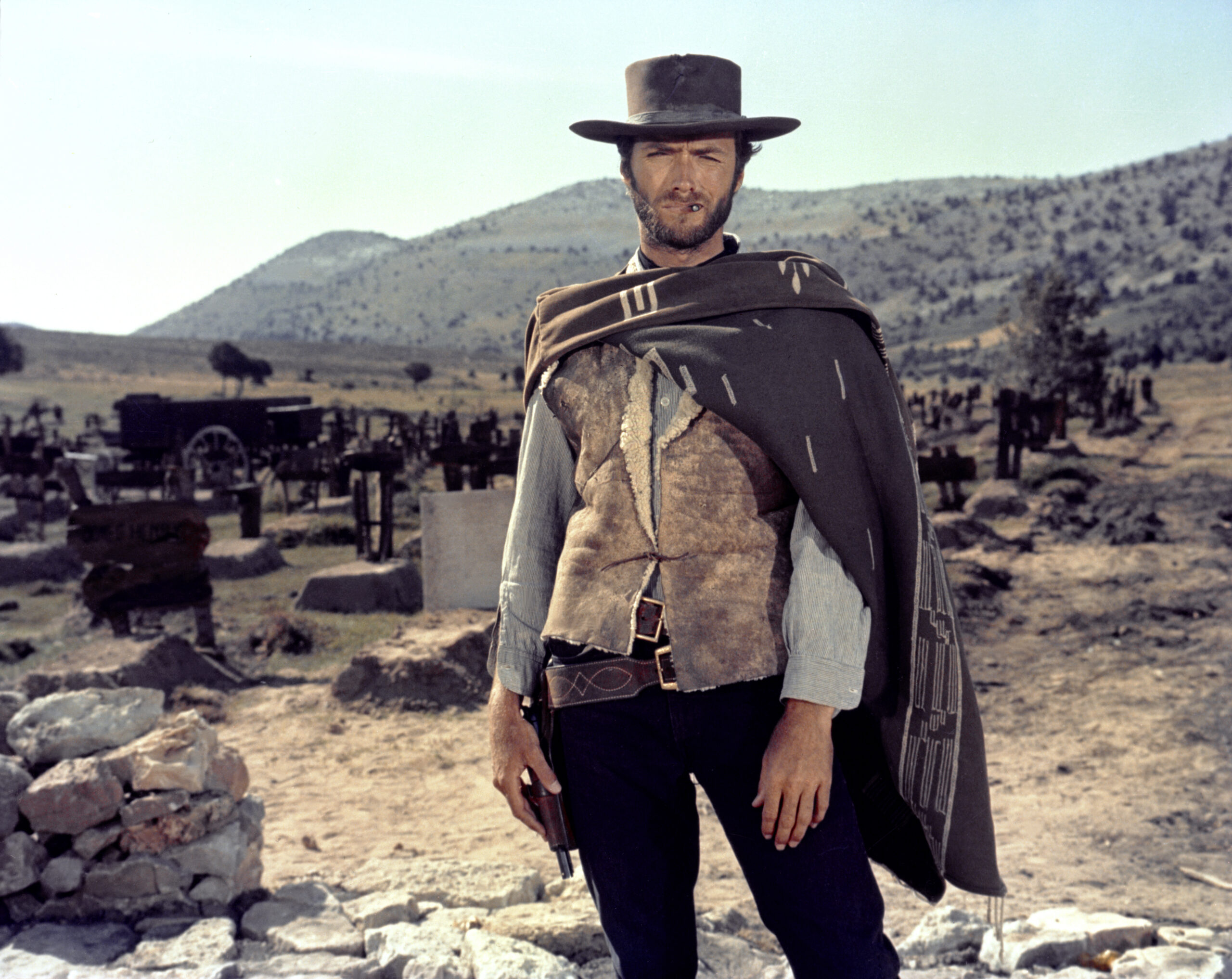
For a Few Dollars More is widely regarded as one of the defining films of the Spaghetti Western genre and a significant milestone in cinematic history. Directed by the legendary Italian filmmaker Sergio Leone, the film is the second installment in the iconic Dollars Trilogy, following A Fistful of Dollars and preceding the masterpiece The Good, the Bad and the Ugly. Released in 1965, the film helped cement the global popularity of Westerns produced outside the United States, particularly those made in Italy, which became known as “Spaghetti Westerns.”
Starring Clint Eastwood as the mysterious “Man with No Name” and Lee Van Cleef as Colonel Douglas Mortimer, the film blends compelling storytelling, memorable characters, stylized cinematography, and a legendary musical score by Ennio Morricone. Together, these elements create a film that not only entertains but also elevates the Western genre into a more artistic and emotionally engaging form.
Plot Overview
The story of For a Few Dollars More revolves around two bounty hunters pursuing the same ruthless outlaw, El Indio. Clint Eastwood reprises his role as the quiet, calculating gunslinger often referred to as “Manco” because of his habit of performing most actions with his left hand, leaving his right hand free for his revolver. Manco is a skilled bounty hunter who tracks criminals for financial reward, demonstrating exceptional patience and precision.
Colonel Mortimer, played by Lee Van Cleef, is an older, highly experienced bounty hunter whose refined manner and disciplined approach contrast with Manco’s more relaxed but equally deadly persona. Mortimer’s motivations initially appear financial, but as the story unfolds, it becomes clear that he has a deeply personal reason for hunting El Indio.
El Indio, portrayed by Gian Maria Volontè, is one of the most memorable villains in Western cinema. He is a dangerous outlaw who has recently escaped from prison and assembled a gang of criminals to rob the bank in El Paso. Indio is depicted as psychologically complex, frequently haunted by memories of a past crime involving a young woman. His use of a musical pocket watch before gunfights becomes one of the film’s most distinctive motifs.
Initially, Manco and Mortimer see each other as rivals competing for the same bounty rewards. However, after a tense confrontation where both men demonstrate their impressive gunfighting skills, they decide to work together to capture El Indio and his gang. Their partnership develops into one of the film’s central strengths, blending mutual respect, competition, and cooperation.
As the story progresses, the two bounty hunters infiltrate Indio’s gang, leading to suspenseful sequences filled with deception, violence, and psychological tension. The climax builds toward an emotionally powerful showdown, where Mortimer finally confronts Indio and reveals the personal tragedy that motivates his quest for revenge.
Themes and Meaning
One of the most compelling aspects of For a Few Dollars More is its exploration of themes such as justice, revenge, morality, and greed. Unlike traditional American Westerns that often portray clear distinctions between good and evil, Leone’s film presents morally ambiguous characters whose motivations are complex.
Revenge as a Motivating Force
Colonel Mortimer’s pursuit of El Indio is driven by a desire for justice rooted in personal loss. This theme adds emotional depth to the film and transforms it from a simple bounty-hunting narrative into a story about closure and redemption.
The Nature of Justice
Both bounty hunters operate outside traditional legal systems, raising questions about the nature of justice in the Old West. Rather than relying on law enforcement, individuals take responsibility for delivering justice themselves.
Greed and Survival
Money is a major motivating factor for many characters. The film’s title itself highlights the importance of financial reward. However, Leone shows that greed can lead to betrayal and violence, particularly within El Indio’s gang.
Cinematography and Visual Style
Sergio Leone revolutionized the Western genre through his distinctive visual style. Instead of relying on wide landscapes alone, he emphasized extreme close-ups, particularly during duels. These close-ups focus on facial expressions, eyes, and hands hovering near holsters, creating tension that builds anticipation before gunfights.
Leone’s pacing also differs from traditional Westerns. Scenes often unfold slowly, allowing suspense to develop gradually. Silence is frequently used to enhance dramatic effect, allowing viewers to fully absorb the emotional intensity of each moment.
The film was shot primarily in Spain and Italy, demonstrating how European filmmakers successfully recreated the American Old West. The dusty landscapes, abandoned towns, and rugged terrain contribute significantly to the film’s atmosphere.
Ennio Morricone’s Iconic Soundtrack
A major factor in the film’s success is its unforgettable musical score composed by Ennio Morricone. The soundtrack blends orchestral arrangements, unusual instruments, and haunting melodies to create a distinctive sound that complements the film’s dramatic tone.
One of the most memorable musical elements is the recurring pocket watch melody associated with El Indio. The watch plays a musical tune before gunfights, creating a ritualistic sense of inevitability and tension. Morricone’s innovative use of sound effects, whistling, bells, and choral elements became hallmarks of the Spaghetti Western genre.
Morricone’s music plays a crucial narrative role rather than simply serving as background sound. The score heightens emotional intensity and enhances character development, particularly during the film’s climactic duel.
Character Development
The Man with No Name
Clint Eastwood’s character remains mysterious throughout the film. He speaks little, relying on observation and strategy. His calm demeanor and understated confidence make him one of the most iconic figures in film history.
Colonel Mortimer
Lee Van Cleef’s portrayal of Mortimer adds emotional depth to the story. Unlike the younger bounty hunter, Mortimer is motivated by personal tragedy rather than financial gain. His character demonstrates dignity, patience, and determination.
El Indio
El Indio stands out as one of cinema’s most psychologically complex villains. His drug use and emotional instability create unpredictability, making him particularly dangerous. The recurring watch motif suggests his inability to escape the past.
Influence on Cinema
For a Few Dollars More had a lasting impact on both the Western genre and filmmaking as a whole. It helped redefine Western heroes as morally ambiguous antiheroes rather than purely virtuous protagonists. The film’s stylistic innovations influenced countless directors, including Quentin Tarantino, who has cited Sergio Leone as a major inspiration.
The Dollars Trilogy also played a crucial role in establishing Clint Eastwood as an international star. Eastwood’s portrayal of the Man with No Name became one of the most recognizable characters in cinema history.
Leone’s films demonstrated that Westerns could be artistic, stylized, and emotionally complex. His influence can be seen in modern action films, particularly in the use of slow-building tension and visually dramatic confrontations.
Comparison with Other Films in the Trilogy
Compared to A Fistful of Dollars, For a Few Dollars More features a more complex narrative and deeper character development. The addition of Colonel Mortimer introduces a compelling partnership dynamic that enriches the story.
While The Good, the Bad and the Ugly is often considered the most epic film in the trilogy, For a Few Dollars More is frequently praised for its balance of storytelling, character development, and action.
Many critics consider it the strongest film in the trilogy due to its emotional depth and tightly constructed plot.
Legacy
More than fifty years after its release, For a Few Dollars More remains one of the most respected Western films ever made. Its innovative style, memorable characters, and powerful music continue to influence filmmakers and captivate audiences.
The film demonstrates how genre cinema can achieve artistic excellence while remaining entertaining and accessible. It stands as a testament to Sergio Leone’s visionary direction and Ennio Morricone’s musical genius.
For viewers interested in classic cinema, Westerns, or film history, For a Few Dollars More is an essential viewing experience. Its combination of compelling storytelling, striking visuals, and emotional depth ensures its place among the greatest films of all time.
