
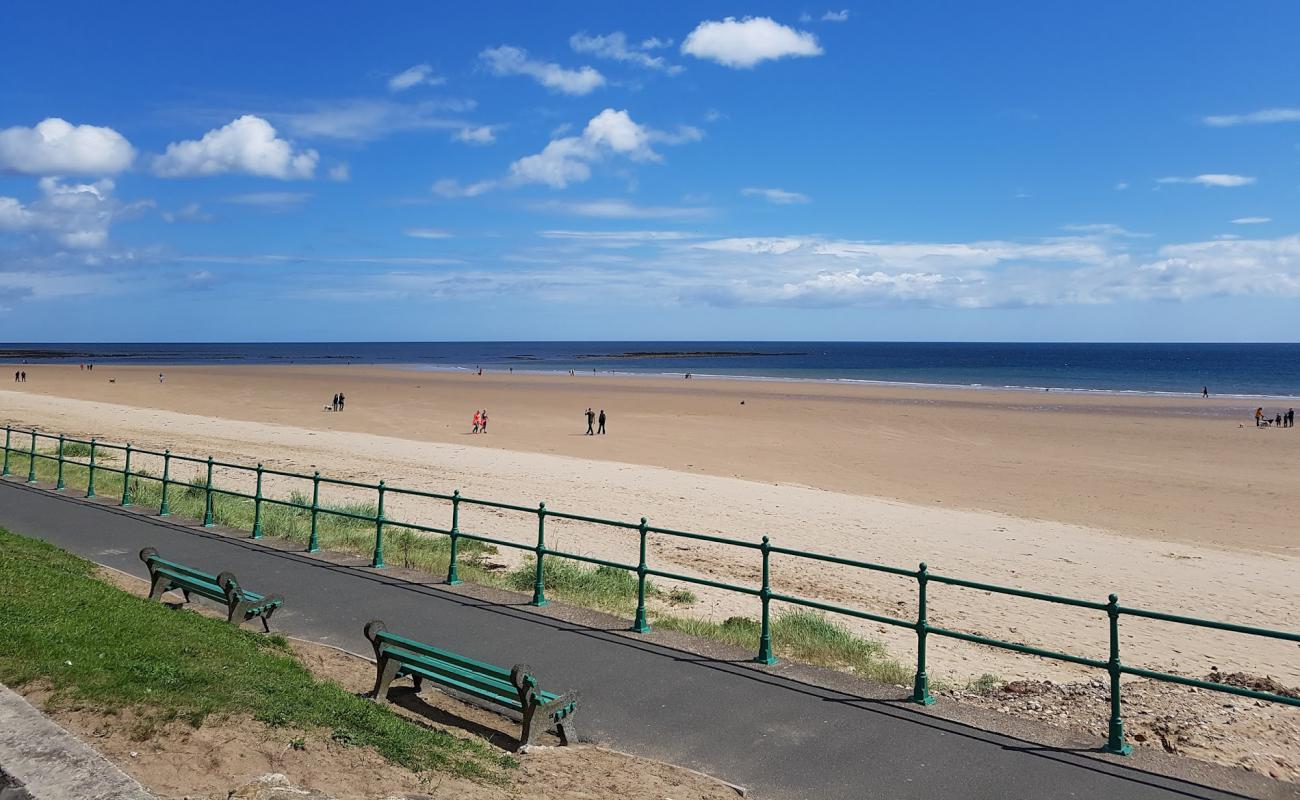
A walk from Sunderland to South Shields along the North East coast is one of those journeys that quietly blends history, nature, and industry into a single continuous experience. It’s not just a walk—it’s a narrative written across cliffs, beaches, piers, and harbours. Every stretch of the coastal path tells a story, from ancient monastic roots to coal mining heritage, from maritime triumphs to modern regeneration.
Setting Out: Sunderland
Starting in Sunderland, you’re immediately aware of the city’s deep industrial and maritime past. Once known as one of the greatest shipbuilding centres in the world, Sunderland’s identity is still shaped by the River Wear and its connection to the sea.
If you begin near Roker or Seaburn, you’re already stepping onto one of the most visually rewarding parts of the walk. The coastline here opens wide, offering expansive views of the North Sea, often dramatic and unpredictable.
Roker: A Maritime Gateway
One of the first major landmarks is Roker Pier and Lighthouse.
Stretching boldly into the sea, the pier is both functional and symbolic. Built in the late 19th century, it was designed to protect the harbour from powerful North Sea waves. Walking along the pier, especially on a breezy day, gives a real sense of the raw force of the sea. The red-and-white striped lighthouse at the end feels like a sentinel guarding the coastline.
Nearby sits Roker Park, a beautifully maintained green space that contrasts sharply with the rugged seafront. It’s a reminder of Victorian civic pride—when industrial cities invested heavily in public parks for recreation and wellbeing.
Seaburn: Open Coastline and Leisure
Moving north, you transition into Seaburn. This stretch is more open and modern, with cafés, promenades, and wide sandy beaches.
The promenade here is ideal for walking—flat, accessible, and with uninterrupted sea views. On a clear day, the horizon feels endless. The soundscape shifts too: from crashing waves against rocks at Roker to a softer, rhythmic lapping along Seaburn’s sandy shore.
This area represents Sunderland’s evolution—from heavy industry to leisure and tourism. It’s a place where families gather, runners pass by, and walkers like yourself take in the coastal air.
The Coastal Path: Nature and Transition
As you leave Seaburn, the walk becomes more natural and less urban. You begin to follow sections of the England Coast Path, a long-distance walking route that aims to trace the entire English coastline.
Here, the terrain changes subtly. Grass-lined paths replace paved promenades, and the coastline begins to feel more rugged. The cliffs are not dramatic in height, but they carry a quiet beauty—especially when dotted with wildflowers in spring and summer.
Seabirds become more prominent: gulls, terns, and occasionally cormorants. The North Sea breeze is constant, sometimes gentle, sometimes forceful enough to remind you that this coastline has shaped communities for centuries.
Approaching Whitburn
The village of Whitburn marks an important midpoint in the walk. It has a quieter, more rural feel compared to Sunderland.
One of the key landmarks here is Whitburn Coastal Park.
This area is known for its wildlife and open landscapes. The cliffs here are slightly more pronounced, offering excellent viewpoints. On a clear day, you can often see as far as Tynemouth to the north.
Whitburn also has historical significance. The coastline here has witnessed shipwrecks and maritime activity for centuries. The nearby Souter Lighthouse is a particularly important landmark.
Souter Lighthouse: Innovation on the Coast
Souter Lighthouse is one of the most iconic features of the walk.
Built in 1871, it was the world’s first lighthouse designed and built to be powered by electricity. This was a major technological advancement at the time, improving visibility and safety for ships navigating the treacherous coastline.
Standing near the lighthouse, you get a sense of how dangerous these waters once were. Before modern navigation, this stretch of coast was notorious for shipwrecks. The lighthouse wasn’t just a structure—it was a lifesaving innovation.
Today, it’s maintained by the National Trust and serves as a reminder of both engineering progress and the human effort to tame the sea.
Marsden Bay: Dramatic Natural Beauty
Continuing north, you arrive at one of the most breathtaking sections of the walk: Marsden Bay.
This is where the landscape truly comes alive.
The cliffs here are more dramatic, and the famous Marsden Rock rises dramatically from the sea. This limestone stack is a haven for seabirds and one of the most photographed natural features in the region.
The descent to the beach (if you choose to take it) offers a different perspective. From below, the cliffs tower above you, and the scale of the landscape becomes more apparent.
Marsden Bay is also home to The Marsden Grotto.
This unique pub is built into the cliff face, originally created by a local miner in the 18th century. It’s a fascinating blend of natural formation and human adaptation—a place where geology meets history.
The Leas: Open Clifftop Walking
Beyond Marsden, the path opens up into The Leas.
This is a wide stretch of clifftop grassland that feels expansive and मुक्त (free). The walking here is less confined—there’s a sense of openness that contrasts with the more structured promenades earlier in the journey.
The Leas has historically been used for grazing and recreation. Today, it’s a popular spot for walkers, dog owners, and even events.
From here, the views northwards begin to include South Shields and the mouth of the River Tyne.
Approaching South Shields
As you near South Shields, the landscape gradually shifts again.
You begin to see more signs of urban life—roads, buildings, and eventually the distinctive coastline of South Shields.
One of the first major landmarks is Sandhaven Beach.
Sandhaven Beach: A Coastal Gem
Sandhaven Beach is widely regarded as one of the best beaches in the North East.
With its wide expanse of golden sand and clean waters, it’s a fitting reward at the end of your walk. The beach has won multiple awards and is a popular destination for both locals and visitors.
The promenade here is lively, often filled with families, cyclists, and other walkers completing similar journeys.
The Mouth of the Tyne
Continuing towards the river, you reach the iconic South Shields Pier.
This is one of the longest piers in the UK, stretching far into the sea. Walking along it gives you a unique vantage point—on one side, the open North Sea; on the other, the entrance to the River Tyne.
Across the river, you can see Tynemouth and the historic Tynemouth Priory and Castle perched on the headland.
This area has been strategically important for centuries, controlling access to the river and protecting inland settlements.
Layers of History Along the Walk
What makes this walk particularly compelling is the layering of history.
- Industrial heritage in Sunderland
- Maritime innovation at Souter Lighthouse
- Natural formations at Marsden Bay
- Military and strategic importance at the mouth of the Tyne
Each section builds upon the last, creating a continuous narrative.
The Experience of the Walk
Physically, the walk is moderate. The terrain varies from paved promenades to grassy paths and occasional inclines, but it’s accessible to most walkers with a reasonable level of fitness.
What stands out most is the variety:
- Urban to rural transitions
- Flat promenades to clifftop paths
- Quiet nature reserves to bustling seaside towns
The changing scenery keeps the walk engaging from start to finish.
Weather and Atmosphere
The North East coast is known for its changing weather, and this walk showcases that perfectly.
- On a sunny day, the sea sparkles, and the coastline feels vibrant
- On a windy day, the waves crash dramatically against the cliffs
- On an overcast day, the landscape takes on a moody, almost cinematic quality
Each condition offers a different experience.
Wildlife and Nature
The coastal path is rich in wildlife.
- Seabirds nest along the cliffs
- Marine life can sometimes be spotted offshore
- Wildflowers line the paths in warmer months
Areas like Whitburn Coastal Park and The Leas are particularly good for nature observation.
Reflection: A Journey Through Time and Landscape
Completing the walk from Sunderland to South Shields is more than just covering distance.
It’s about experiencing:
- The power and beauty of the North Sea
- The resilience and history of coastal communities
- The blend of nature and human development
By the time you reach South Shields, you’ve not just walked a route—you’ve followed a story that stretches back centuries.
Final Thoughts
This coastal walk is one of the North East’s hidden gems. It may not have the fame of routes in the Lake District or along Hadrian’s Wall, but it offers something equally valuable: authenticity.
It’s a walk grounded in real places, real history, and real landscapes.
Whether you’re drawn by the sea, the history, or simply the joy of walking, the route from Sunderland to South Shields delivers a deeply satisfying experience—one that stays with you long after the journey ends.
