
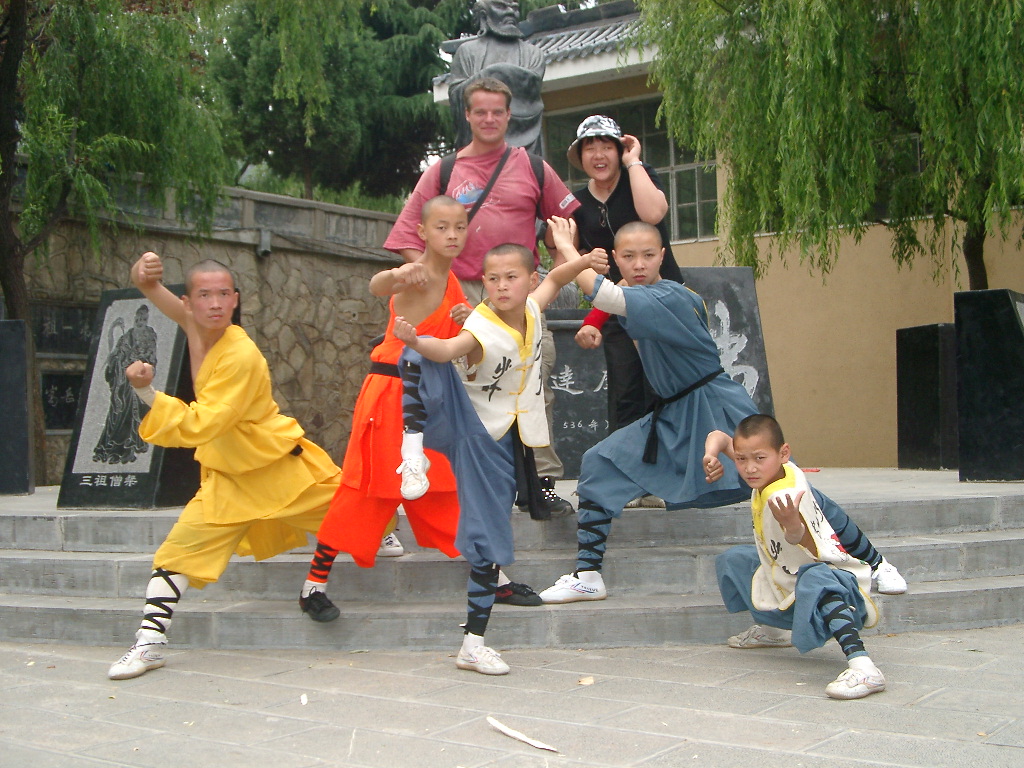
China’s cultural landscape is vast, stretching from the serene mountains of the south to the bustling metropolises of the east. Among its many treasures, few places are as evocative, mysterious, and inspiring as the Shaolin Monastery, perched at the foot of the Songshan Mountains in Henan Province. Visiting Shaolin is more than a trip to a religious site; it is a journey into the origins of Zen Buddhism, the birthplace of Shaolin Kung Fu, and a living symbol of discipline, resilience, and spiritual focus. Stepping into the monastery’s courtyards and watching monks perform their routines, I felt transported through centuries of history, culture, and philosophy.
Arrival at the Shaolin Monastery
Reaching Shaolin requires a journey through the rugged landscapes of the Songshan Mountains. As the vehicle winds along narrow, twisting roads, the scenery shifts from bustling towns to lush green hills dotted with pine and bamboo. The air becomes cooler, fresher, and imbued with the scent of the forest. Approaching the monastery, I caught my first glimpse of its red-tiled roofs, golden eaves, and ornate halls, perched against the mountainside as if guarding ancient secrets.
Upon entering the main gate, I was immediately struck by the sense of calm that contrasts sharply with the noisy world outside. The Shaolin Monastery is both a spiritual sanctuary and a cultural landmark. Visitors are greeted with a sense of reverence: this is a place of study, meditation, and rigorous physical training. The first courtyard alone exudes a feeling of order, discipline, and purpose, signaling that the experience here will be as much about observation as participation.
Stepping Into History
Founded in the 5th century CE, the Shaolin Monastery has been a center of Buddhist practice and martial arts for over fifteen centuries. Walking through its grounds, I felt the weight of history. Every hall, pagoda, and statue seemed to whisper the stories of monks, scholars, and warriors who had lived, trained, and meditated here. The architecture is classic, with sweeping eaves, intricately carved wooden beams, and serene courtyards that invite contemplation.
The main temple hall is a masterpiece of spiritual and architectural design. Inside, statues of Buddha and bodhisattvas gaze serenely, their expressions imbued with a calm wisdom that is both reassuring and humbling. The walls are adorned with intricate murals depicting Buddhist teachings, monastic life, and legendary figures, offering a visual narrative that complements the spiritual ambiance. Standing in this hall, I felt a deep connection to the centuries of devotion and practice that shaped the monastery.
Witnessing Shaolin Kung Fu
One of the most striking experiences at Shaolin is watching the monks practice Kung Fu. The training is performed in open courtyards, where the echo of powerful strikes, kicks, and movements reverberates off the stone and wood structures. The precision, speed, and discipline of the monks are mesmerizing. Every movement is deliberate, controlled, and executed with a harmony of strength and grace that reflects both physical mastery and inner focus.
Watching the monks, I realized that Shaolin Kung Fu is not merely combat training; it is a form of moving meditation. Each kata, each drill, combines breath control, mental concentration, and physical exertion. The monks move as if connected to the energy of the universe, blending athleticism and spirituality. I found myself captivated, wanting to understand not just the techniques but the philosophy behind them.
Participating in Training
The monastery offers visitors opportunities to participate in introductory martial arts sessions, and I couldn’t resist trying. Even a brief lesson in basic stances, punches, and kicks revealed the discipline required to master Shaolin Kung Fu. The instructor, a young monk with calm authority, guided me patiently, correcting posture and explaining the connection between mind and body.
Despite my enthusiasm, I quickly realized how demanding the training is. The stances tested leg strength and balance, the kicks required flexibility, and maintaining focus under physical strain was exhausting yet invigorating. By the end of the session, I felt a profound respect for the monks who train daily from dawn until dusk, cultivating both martial skill and spiritual resilience.
The Pagodas and Temples
Shaolin is not just about martial arts; it is a center of Buddhist learning. The grounds feature multiple pagodas, meditation halls, and smaller temples, each offering insight into monastic life. I wandered through the Pagoda Forest, a serene cemetery of over 200 stone and brick pagodas that commemorate generations of abbots. Each pagoda is unique, adorned with carvings, inscriptions, and symbolic motifs. Walking among them, I felt a deep sense of reflection, imagining the lives of those who dedicated themselves to spiritual pursuit, discipline, and teaching.
The smaller temples scattered across the monastery are equally captivating. Each contains altars, statues, and intricate decorations that illustrate Buddhist teachings. I spent time observing monks performing rituals, chanting, or meditating, appreciating the quiet focus and devotion that permeates the monastery. The combination of religious practice and martial training is unique to Shaolin, and experiencing both aspects highlighted the monastery’s holistic approach to body, mind, and spirit.
Nature and Meditation
One of the most striking aspects of Shaolin is its integration with the natural landscape. The Songshan Mountains provide a dramatic backdrop, with mist rolling across the peaks and sunlight filtering through the trees. Paths wind up the hillsides to secluded meditation spots, offering stunning views of the monastery and surrounding forest. Walking these paths, I felt a sense of peace and perspective, as if the mountains themselves were part of the teaching, encouraging reflection and mindfulness.
Meditation sessions, even as an observer, offer a powerful contrast to the physical training. The serene concentration of the monks reminded me that discipline is not just about exertion but also about cultivating awareness, patience, and inner calm. Experiencing both the energy of Kung Fu practice and the quiet focus of meditation created a profound balance, illustrating the duality of Shaolin’s approach to personal development.
Reflections on Discipline and Dedication
Visiting Shaolin Monastery is a lesson in discipline, perseverance, and holistic living. The monks’ daily routines — early morning exercises, meditation, study, and martial practice — demonstrate how structure, focus, and dedication can shape both mind and body. It is a reminder that mastery requires patience and persistence, and that the cultivation of skill is inseparable from the cultivation of character.
The experience also prompted reflection on the intersection of culture, spirituality, and history. Shaolin is not merely a tourist destination; it is a living institution, preserving centuries of tradition while continuing to evolve. Witnessing the dedication of the monks, the precision of their martial practice, and the serene beauty of their surroundings offered insight into a way of life that balances power with humility, strength with compassion.
The Cultural Legacy
Shaolin Monastery has influenced not just China but the world. Its martial arts traditions have spread globally, inspiring countless practitioners and popular culture, from films to books. Visiting the monastery, I realized that the legends surrounding Shaolin — of physical feats, discipline, and spiritual wisdom — are grounded in centuries of actual practice. The monks are living carriers of a profound cultural and spiritual legacy, connecting the modern world with a rich historical tradition.
The architecture, rituals, and martial arts combine to create an experience that is educational, inspiring, and deeply moving. I left the monastery with a heightened appreciation for Chinese history, philosophy, and the ways in which discipline and dedication can shape both individual and society.
Conclusion
Visiting the Shaolin Monastery was an unforgettable experience. From the majestic halls and serene courtyards to the rigorous martial arts demonstrations and tranquil meditation spaces, every aspect of the visit conveyed discipline, history, and cultural richness. Walking among the monks, observing their practice, and participating in training offered a rare glimpse into a world that balances physical skill, spiritual growth, and historical tradition.
Shaolin is more than a temple; it is a living testament to human potential, resilience, and the pursuit of harmony between mind and body. It is a place where history is alive, where martial arts and meditation coexist, and where visitors are invited to witness and reflect on centuries of dedication.
Standing at the heart of the Shaolin Monastery, surrounded by mountains, temples, and the energy of focused practice, I felt both humbled and inspired. It is a place that challenges perception, awakens curiosity, and leaves a lasting impression — a true journey into the soul of martial arts, Zen, and Chinese culture.
