
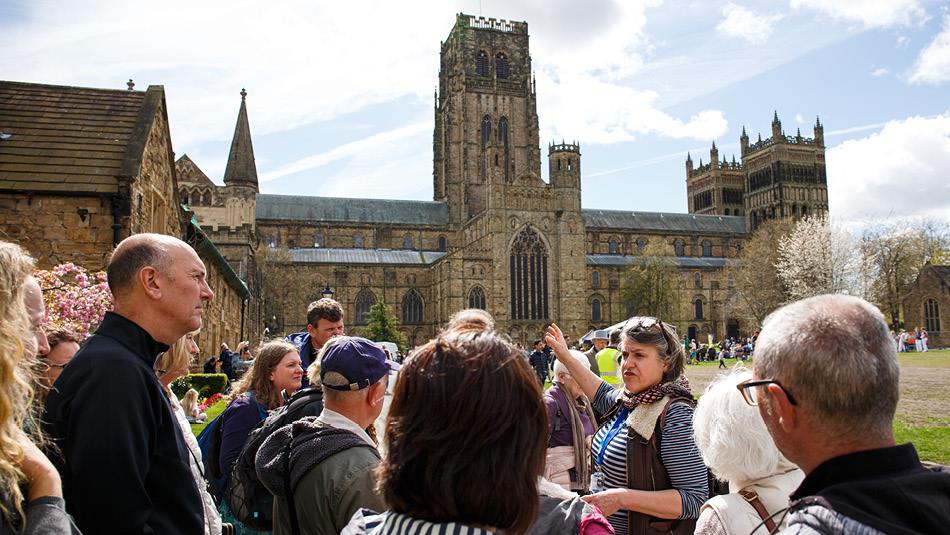
Durham World Heritage Day is an annual cultural event celebrating the rich history and heritage of the city of Durham in the North East of England. The day highlights the importance of preserving historical landmarks, promoting education, and encouraging public engagement with the past. It usually takes place in April to coincide with International World Heritage Day (18 April), a global event that recognises sites of cultural and historical importance around the world.
The celebrations are centred around the Durham Castle and Cathedral World Heritage Site, which is one of the most historically significant locations in the United Kingdom. The site includes Durham Cathedral and Durham Castle, both recognised by UNESCO as a World Heritage Site due to their architectural and cultural importance.
Durham World Heritage Day provides an opportunity for residents, students, tourists, and families to explore the city’s past through guided tours, exhibitions, workshops, and live performances. The event is typically free to attend, making it accessible to a wide audience and encouraging community involvement.
The Meaning of World Heritage
World Heritage Sites are locations considered to have outstanding universal value to humanity. They are protected and preserved so that future generations can learn from and appreciate their historical, architectural, scientific, or cultural significance.
Durham’s World Heritage Site was officially recognised by UNESCO in 1986. The designation acknowledges the importance of the cathedral and castle as exceptional examples of Norman architecture and medieval religious life.
Durham Cathedral is widely regarded as one of the finest Romanesque buildings in Europe. It contains the shrine of St Cuthbert and the tomb of the Venerable Bede, two important figures in early English Christianity. The cathedral’s rib-vaulted ceiling represents an important development in Gothic architecture.
Durham Castle was originally built in the 11th century as a defensive structure following the Norman Conquest of England. Over time, the castle evolved into a residence for the Prince-Bishops of Durham and is now part of Durham University.
Together, the cathedral and castle form a dramatic skyline overlooking the River Wear, creating one of the most recognisable historic landscapes in Britain.
Activities and Events
Durham World Heritage Day typically includes a wide range of activities designed to appeal to people of all ages and interests. Many of these activities take place around Palace Green, a historic open space located between the cathedral and the castle.
Visitors often have the opportunity to take part in guided tours that explore hidden areas of historic buildings. These tours may focus on architecture, medieval life, archaeology, or local legends.
In 2026, for example, events include free access to Durham Castle and the Cathedral Museum, as well as talks exploring conservation work and the preservation of historical artefacts.
Exhibitions and presentations allow visitors to learn about the development of Durham over many centuries. Experts and historians often give short talks covering topics such as medieval manuscripts, archaeology, and conservation techniques.
Family-friendly activities are also an important part of the celebration. Workshops may include arts and crafts inspired by historical manuscripts such as the Lindisfarne Gospels. Participants can experiment with calligraphy, design illuminated letters, or learn about medieval art techniques.
Live music performances, storytelling sessions, and historical re-enactments create an engaging and immersive atmosphere. These activities help bring history to life and make learning enjoyable.
Educational Importance
One of the main aims of Durham World Heritage Day is education. The event encourages people to learn about history in an interactive and enjoyable way.
Students from local schools and universities often participate in activities that promote historical awareness and cultural understanding. The World Heritage Site Youth Ambassadors programme, for example, allows students to engage with visitors and share knowledge about Durham’s history.
Educational trails and guided walks provide opportunities to explore the city while learning about important events and people from the past.
By presenting history in a dynamic and accessible format, the event helps foster an appreciation for cultural heritage among younger generations.
Community Engagement
Durham World Heritage Day is also important for community engagement. Local organisations, heritage groups, and volunteers collaborate to organise activities and share their knowledge with the public.
The event encourages people to take pride in their local area and develop a stronger connection with the history of Durham.
Many visitors are surprised to discover how much history is contained within a relatively small area. The cathedral, castle, libraries, and museums each offer unique insights into the development of the city.
Community participation helps ensure that the heritage of Durham continues to be preserved and appreciated.
Cultural Significance
Durham has played an important role in the history of England for over one thousand years. The city developed as a religious centre following the arrival of the monks who carried the body of St Cuthbert.
The Prince-Bishops of Durham held significant political power during the medieval period, governing the region almost independently from the Crown.
Durham Cathedral became a centre for pilgrimage, attracting visitors from across Europe. The architectural innovations seen in the cathedral influenced the development of Gothic architecture throughout the continent.
World Heritage Day highlights the importance of preserving these cultural achievements and ensuring that they remain accessible to future generations.
Tourism and Economic Impact
Events such as Durham World Heritage Day contribute to the local economy by attracting visitors to the city. Tourists often visit local shops, cafes, and restaurants, helping to support small businesses.
Heritage tourism plays a significant role in the economy of County Durham. The presence of a UNESCO World Heritage Site increases international interest in the region.
Many visitors combine their trip with visits to other nearby attractions such as museums, galleries, and historic buildings.
By promoting cultural tourism, Durham World Heritage Day helps raise awareness of the region’s historical importance.
Preservation and Conservation
Maintaining historic buildings requires careful planning and conservation work. Organisations involved in Durham World Heritage Day often highlight the importance of protecting historic structures from environmental damage and wear.
Conservation specialists work to preserve stone carvings, manuscripts, paintings, and artefacts. Their work ensures that future generations can continue to learn from historical evidence.
Visitors may have the opportunity to learn about conservation techniques through exhibitions and presentations.
Understanding the effort involved in preserving heritage can increase public appreciation for historic sites.
The Visitor Experience
Durham World Heritage Day offers a unique opportunity to experience history in a lively and engaging environment. Walking through the cathedral grounds, visitors can imagine what life might have been like in medieval England.
The atmosphere is often described as welcoming and educational. Families, tourists, students, and local residents all participate in the event.
The combination of historical learning, entertainment, and community spirit makes the day enjoyable for a wide range of people.
Many visitors return each year to explore new exhibitions and activities.
Conclusion
Durham World Heritage Day is an important cultural event that celebrates the historical significance of Durham’s UNESCO World Heritage Site. Through guided tours, educational activities, exhibitions, and performances, the event helps bring history to life.
The celebration highlights the architectural importance of Durham Cathedral and Durham Castle, while also encouraging public engagement with heritage preservation.
By promoting education, tourism, and community involvement, Durham World Heritage Day plays an important role in preserving the cultural identity of the region.
Events such as this remind us that history is not only about the past but also about understanding our place in the present and shaping the future.
Durham’s World Heritage Site continues to inspire visitors from around the world, demonstrating the lasting value of cultural heritage and the importance of protecting it for future generations.
