
My visit to the Gaza Strip remains one of the most profound and emotionally complex experiences of my life. It was not a journey I undertook as a tourist, nor one framed by curiosity alone. I was in the region as a participant in an international work camp at Birzeit University, near Ramallah in the West Bank—a setting that already demanded attention, humility, and openness. Gaza, however, deepened that experience immeasurably, transforming abstract headlines into human reality.
The work camp brought together volunteers from different countries, backgrounds, and perspectives, united by a shared commitment to learning and contributing in a meaningful way. Based at Birzeit University, we worked alongside local students and community members, engaging in educational, social, and practical initiatives. From the outset, the experience was immersive. We were not shielded from the realities of daily life under occupation; rather, we were encouraged to listen, observe, and engage honestly with the people around us.
Living near Ramallah meant encountering checkpoints, restrictions on movement, and an underlying tension that shaped everyday routines. Yet alongside these challenges was extraordinary hospitality. Families invited us into their homes, students shared their aspirations and frustrations, and conversations flowed easily, often late into the night. The West Bank was not just a political space—it was a lived environment full of resilience, humour, and determination.
The Opportunity to Visit Gaza
The chance to visit Gaza was both unexpected and sobering. Access to the Gaza Strip is highly restricted, and the fact that our group was able to enter underscored the significance of the opportunity. There was a palpable sense of anticipation mixed with apprehension. Gaza existed in our minds as a place defined by news footage, statistics, and stark imagery—but none of us truly knew what to expect.
The journey itself felt symbolic. Crossing into Gaza was not merely a physical transition but a psychological one. The atmosphere changed almost immediately. The density of the population, the visible infrastructure challenges, and the sense of confinement were impossible to ignore. Yet what struck me first was not devastation, but life—children playing in the streets, shopkeepers arranging goods, people moving with purpose through their daily routines.
Gaza did not feel frozen in crisis; it felt intensely alive.
Listening to Voices from Within
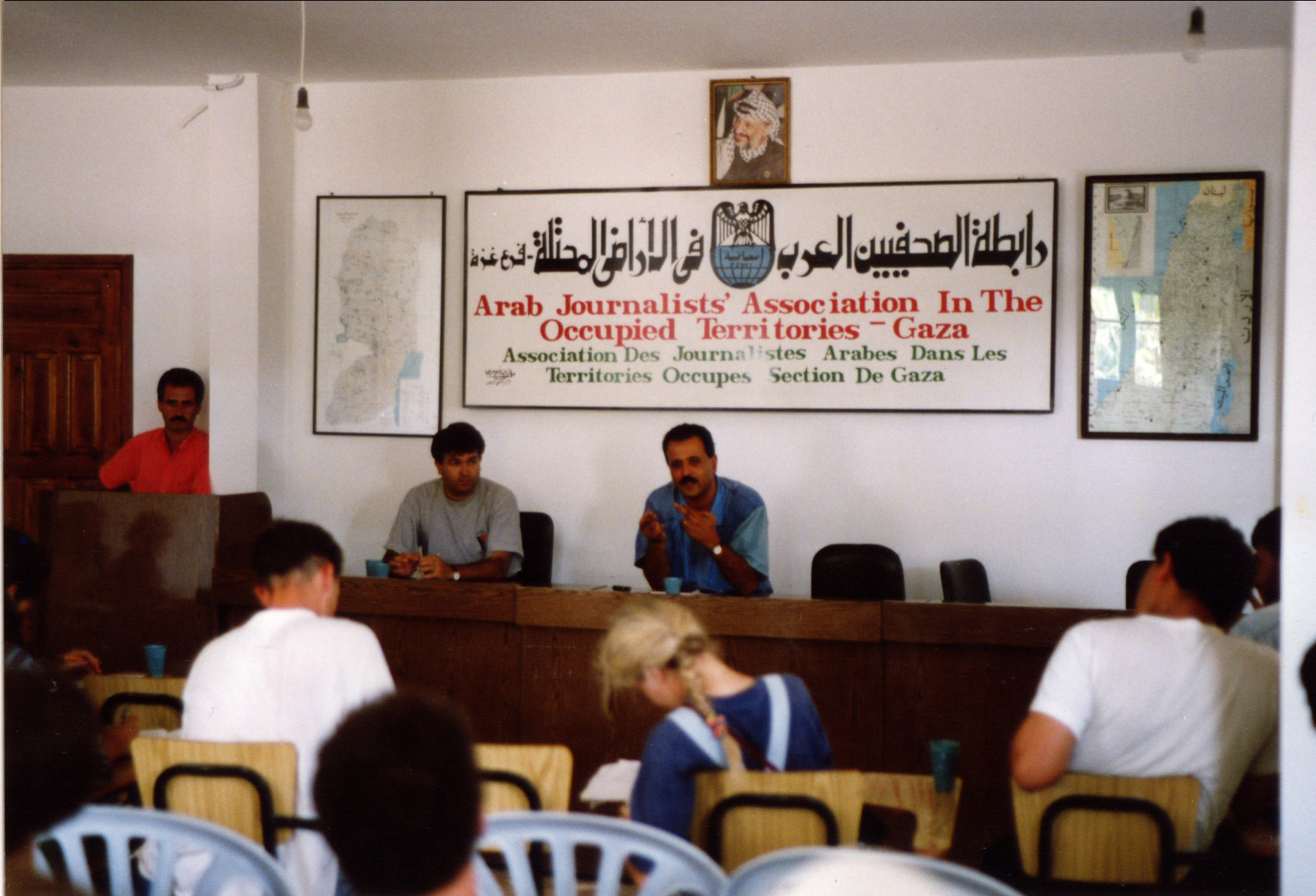
One of the most impactful moments of our visit was attending a talk by Arab journalists based in Gaza. In a modest setting, far removed from the polished environments of international press conferences, we listened as they spoke candidly about their work, the risks they faced, and the responsibility they felt to document life in Gaza honestly.
Their accounts were measured, thoughtful, and deeply personal. They spoke not only about conflict, but about the challenge of conveying complexity to the outside world. About reporting on everyday life—weddings, schools, celebrations—while knowing that violence could erupt without warning. About the emotional toll of being both observer and participant, journalist and citizen.
What resonated most was their emphasis on representation. They described how often Gaza is portrayed as a single narrative, stripped of nuance and humanity. Their work, they explained, was an attempt to reclaim space for ordinary voices—to show Gaza not just as a place of suffering, but as a community of individuals with stories, talents, and dreams.
Listening to them, I became acutely aware of my own position as an outsider. I had come to observe and learn, but I would also leave. They would remain.
Walking Through Gaza
Walking through Gaza, I felt a heightened awareness of my surroundings. Buildings bore signs of damage and repair, side by side. Infrastructure was strained, yet ingenuity was everywhere—makeshift solutions, adaptations, and small acts of persistence that spoke volumes about human resilience.
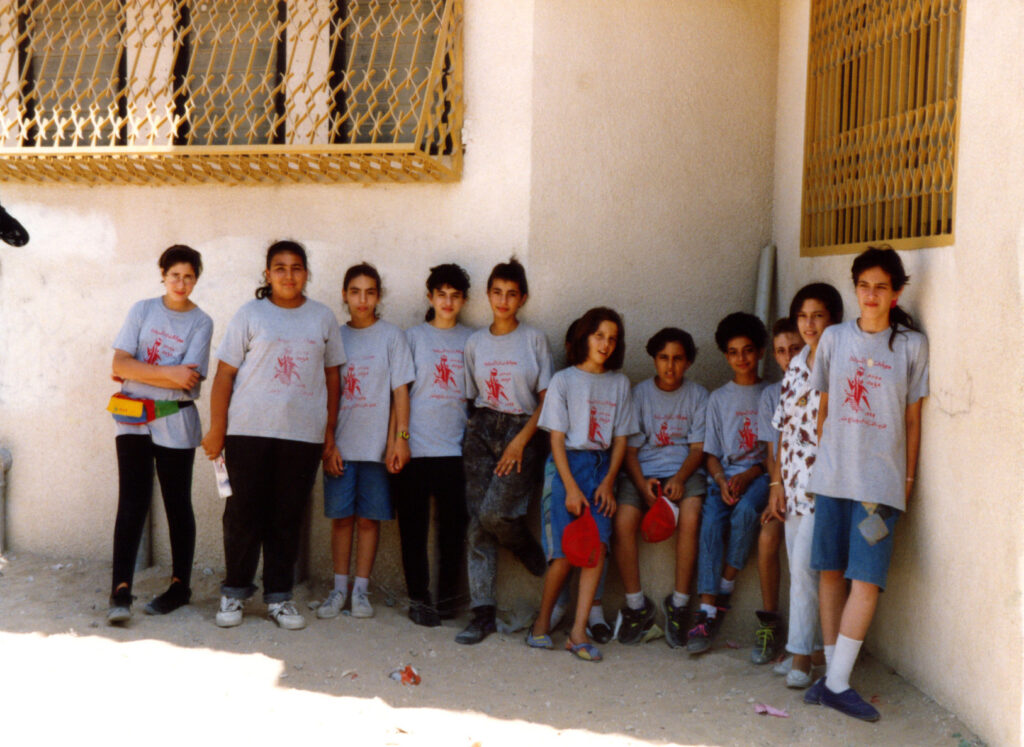
What stayed with me most were the encounters that felt entirely ordinary. Conversations with locals who asked where I was from, what I thought of Gaza, how life was beyond its borders. Children curious about our presence, eager to practice English or simply to be acknowledged. These moments grounded the experience, preventing it from becoming abstract or overwhelming.
Despite the constraints and challenges, there was warmth. Hospitality in Gaza, as in the West Bank, was immediate and sincere. Offers of tea, smiles exchanged without words, gestures of welcome that transcended language barriers. These moments created a powerful contrast to the narratives of hostility often associated with the region.
Emotional Weight and Reflection
Visiting Gaza was emotionally demanding. It required holding multiple truths at once: hardship and dignity, restriction and resilience, anger and hope. There was no single takeaway, no neat conclusion. Instead, the experience left me with questions—about justice, representation, and responsibility.
Returning to the West Bank after the visit, the conversations within our group deepened. We discussed what we had seen, what surprised us, and what unsettled us. The visit to Gaza reframed our understanding of the region as a whole. It underscored how interconnected the experiences of Palestinians are, yet how distinct Gaza’s reality remains.
The Role of the Workcamp
The work camp at Birzeit University provided the framework that made the Gaza visit meaningful rather than voyeuristic. We were not passing through detached from context; we were embedded in relationships and learning processes that continued before and after the visit. Our work—however modest—felt grounded in solidarity rather than observation alone.
The university environment encouraged critical thinking and open dialogue. Lectures, discussions, and informal conversations allowed us to process what we were experiencing. We were challenged to reflect not only on what we saw, but on how we interpreted it—and how our own backgrounds shaped that interpretation.
Lasting Impact
Years later, my visit to Gaza continues to influence how I engage with news, travel, and global issues. It taught me the importance of listening to voices from within, of questioning simplified narratives, and of recognising the humanity that exists beyond political borders.
Gaza was not just a place I visited—it was an encounter that reshaped my understanding of empathy. It reminded me that conflict is lived daily by individuals whose lives are far richer and more complex than headlines suggest.
Leaving the region, I carried with me a sense of responsibility: to remember, to speak thoughtfully, and to resist reducing places and people to symbols. The experience reinforced the value of presence—not as an expert or authority, but as a witness willing to learn.
Conclusion
Visiting the Gaza Strip during a work camp in the West Bank was one of the most challenging and meaningful experiences of my life. It stripped away distance and abstraction, replacing them with human connection and uncomfortable truths. It did not offer easy answers, but it deepened my understanding of the region’s complexity and resilience.
Above all, it reminded me that travel—when approached with humility and respect—can be a powerful tool for empathy. Gaza taught me that bearing witness is not about observation alone, but about listening, reflecting, and carrying those experiences forward with care.
