
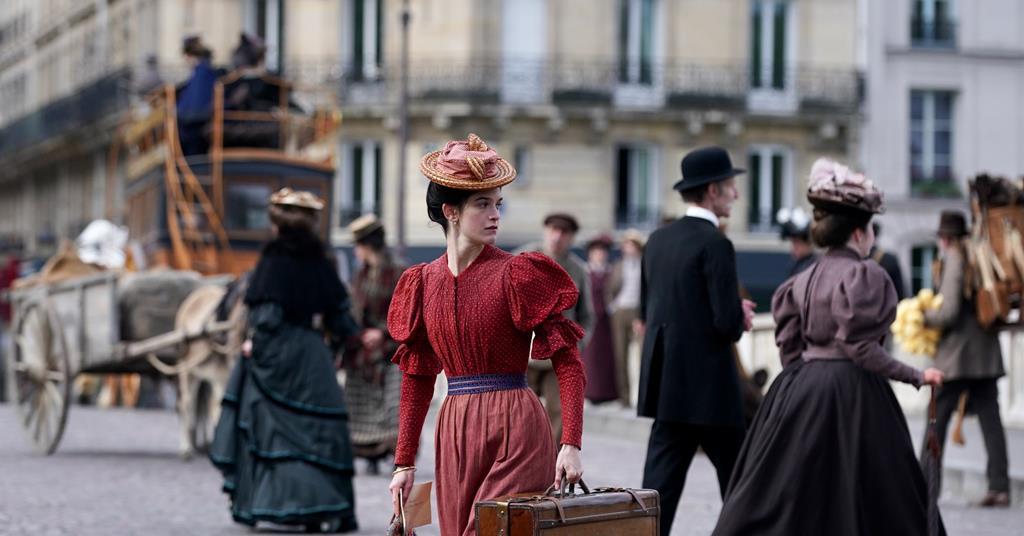
Colours of Time is a 2025 historical drama film directed by Cédric Klapisch. The film combines elements of family drama, historical fiction, and coming-of-age storytelling, blending two different time periods into a single narrative. Known in French as La Venue de l’avenir (“The Arrival of the Future”), the film explores the connections between past and present through the experiences of a family discovering their ancestry.
Starring Suzanne Lindon, Vincent Macaigne, Julia Piaton, and Zinedine Soualem, the film follows four cousins who inherit an old house in Normandy. As they explore the property, they uncover secrets about their ancestor Adèle, whose life in 19th-century Paris becomes intertwined with their own modern-day experiences.
Through its exploration of history, art, and personal identity, Colours of Time offers a thoughtful reflection on how the past influences the present. The film highlights the importance of memory, creativity, and self-discovery, making it both an emotional drama and an intellectual exploration of cultural heritage.
Historical and Narrative Context
The story moves between two time periods: modern-day France and Paris in the late 19th century. This dual timeline structure allows the film to compare different historical environments while showing how individuals in different eras share similar emotions and struggles.
In the modern storyline, four cousins inherit an abandoned house in rural Normandy. As they explore the building, they begin to uncover details about their ancestor Adèle, a young woman who lived during the 1890s.
The narrative then shifts to Adèle’s journey as she leaves her hometown and travels to Paris. The late 19th century was a time of major artistic and cultural change in France. Impressionist painters such as Claude Monet and Pierre-Auguste Renoir were transforming the world of art, while advances in photography and literature were influencing the cultural landscape.
By placing Adèle’s story within this historical context, the film explores how creativity and innovation shape society. The cousins’ discovery of their family history helps them better understand themselves and their place in the modern world.
Plot Overview
The central plot of Colours of Time begins when four cousins inherit a house that has remained untouched for many decades. As they begin sorting through its contents, they uncover letters, photographs, and objects that reveal the story of Adèle, one of their ancestors.
Adèle’s life becomes the emotional core of the film. As a young woman in 1895, she travels to Paris in search of her mother and encounters a rapidly changing society influenced by artistic experimentation and new ideas.
The cousins gradually realise that Adèle’s experiences have shaped their own family history in ways they did not previously understand. The discovery of the past forces them to reconsider their own ambitions, relationships, and sense of identity.
The film explores how individuals often feel disconnected from history, yet remain deeply influenced by it. By learning about Adèle’s struggles and achievements, the cousins develop a stronger connection to their heritage.
Themes of the Film
Time and Memory
One of the central themes in Colours of Time is the relationship between time and memory. The film suggests that the past is never completely separate from the present. Instead, historical events continue to shape modern identity.
The use of parallel storylines allows viewers to compare the challenges faced by characters in different periods. Although the social environment has changed significantly since the 19th century, many human concerns remain similar.
The film demonstrates how personal memories and historical events influence individual choices.
Art and Creativity
Art plays an important role in the narrative. Adèle’s experiences in Paris coincide with the emergence of modern artistic movements. Impressionist painters experimented with colour and light in new ways, changing the direction of visual art.
The title Colours of Time reflects the idea that each historical period has its own cultural identity. Artistic expression becomes a way of capturing the spirit of an era.
The film suggests that creativity allows individuals to communicate ideas that extend beyond their own lifetime.
Family and Identity
Another important theme is the connection between family history and personal identity. The cousins initially view the inherited house simply as property, but gradually realise that it represents a link to their past.
Learning about Adèle helps them understand the experiences that shaped their family. This discovery encourages them to reflect on their own choices and relationships.
The film emphasises that identity is influenced not only by personal experiences but also by the lives of previous generations.
Characters
Adèle
Adèle is the central historical character in the film. Her journey from rural Normandy to Paris represents a search for independence and self-understanding. Through her experiences, viewers gain insight into the social conditions of the late 19th century.
Her determination and curiosity reflect the changing role of women during this period.
The Cousins
The four cousins serve as the modern perspective through which the audience explores the past. Each character responds differently to the discovery of their family history.
Their interactions highlight contemporary concerns such as career choices, relationships, and personal fulfilment.
By contrasting modern attitudes with historical expectations, the film encourages viewers to reflect on how society has evolved.
Visual Style and Cinematography
The cinematography of Colours of Time emphasises the contrast between past and present. Scenes set in modern France often use natural lighting and contemporary settings, while the 19th-century scenes feature detailed costumes and carefully designed environments.
Paris is presented as a vibrant centre of artistic innovation, capturing the atmosphere of a society experiencing rapid change.
The film’s visual design helps audiences understand the emotional tone of each time period.
By combining historical accuracy with artistic interpretation, the film creates an immersive viewing experience.
Production and Release
The film was produced as a collaboration between French and Belgian production companies and distributed by StudioCanal.
Filming took place in several locations in France, including Normandy and Paris. Some scenes were shot near the historic home and gardens of Claude Monet in Giverny, further connecting the film to the artistic traditions of the period.
Colours of Time premiered at the Cannes Film Festival in May 2025, helping to generate international interest in the film.
The film received attention for its combination of historical storytelling and contemporary themes.
Critical Reception
The film has been described as both a historical drama and a coming-of-age story. Critics have noted its thoughtful exploration of family history and its emphasis on artistic culture.
The performances of the cast, particularly Suzanne Lindon as Adèle, have been praised for emotional depth and authenticity.
The film’s narrative structure, which blends multiple time periods, has been recognised as an effective way of illustrating the connection between past and present.
Although the film focuses on historical events, its themes are relevant to modern audiences.
Cultural Significance
Colours of Time contributes to a broader tradition of films that explore historical identity and cultural memory. By focusing on family history, the film encourages audiences to consider how their own past may influence their future.
The film also highlights the importance of artistic innovation in shaping society. The inclusion of historical figures such as Claude Monet reflects the impact of cultural movements on everyday life.
Films that explore history through personal narratives can make historical topics more accessible and engaging.
Conclusion
Colours of Time is a thoughtful and visually engaging film that explores the relationship between history, identity, and artistic expression. Through its dual timeline structure, the film demonstrates how the past continues to influence the present.
The story of Adèle and her descendants illustrates the importance of understanding personal history and recognising the impact of earlier generations.
By combining historical detail with emotional storytelling, Colours of Time offers both entertainment and intellectual insight.
Its exploration of creativity, memory, and identity makes the film relevant to modern audiences while celebrating the cultural achievements of the past.
As a work of historical drama, Colours of Time demonstrates how cinema can connect viewers with history, encouraging reflection on the ways in which time shapes human experience.
