
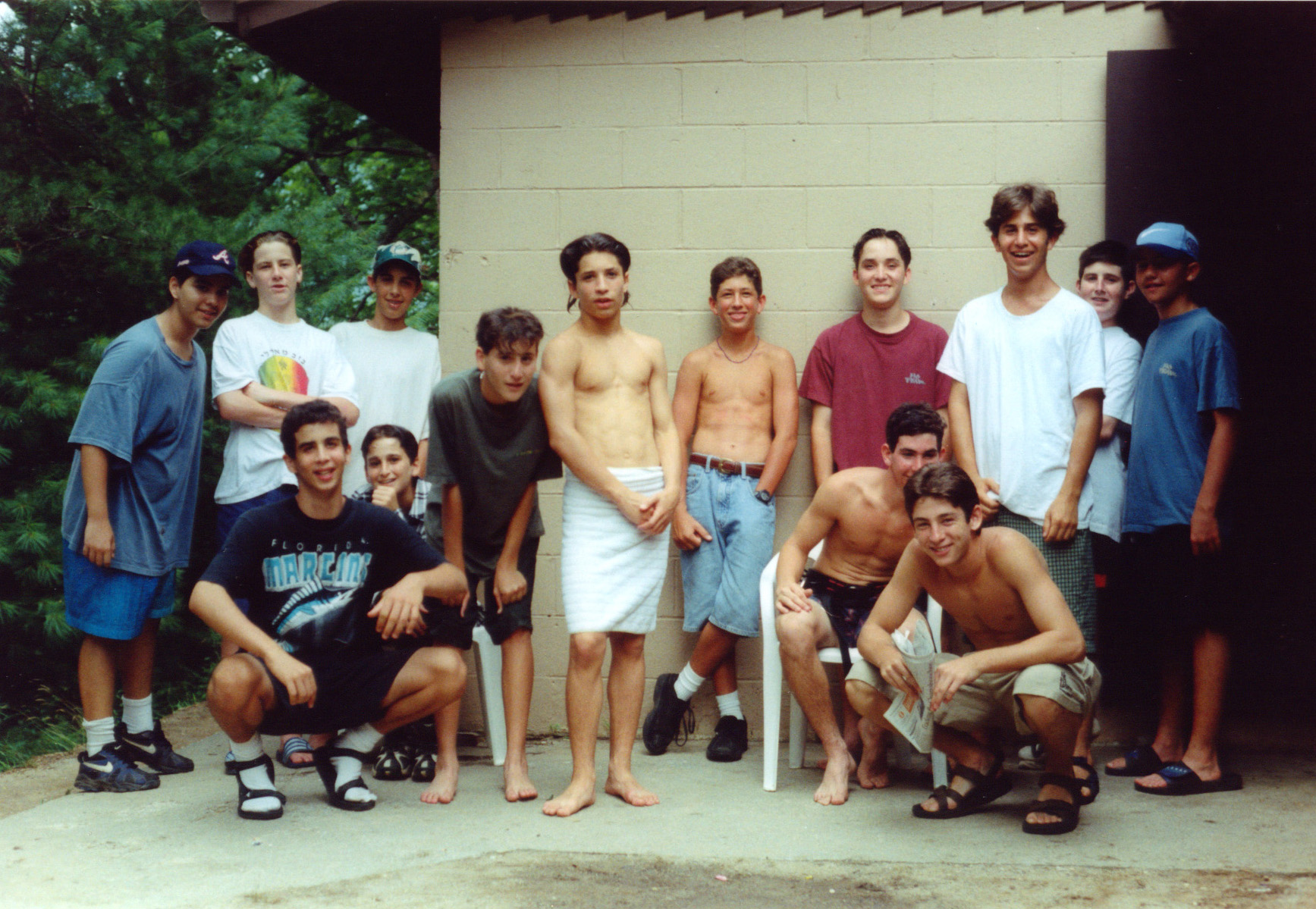
Looking back now, working as a counselor at Camp Blue Ridge in North Carolina in the summer of 1995 stands out as one of the most formative and joy-filled experiences of my life. It was more than just a summer job; it was a period of growth, connection, and discovery that shaped how I viewed people, responsibility, and the wider world. What made it even more memorable was that the experience didn’t end when camp closed for the season. Instead, it flowed seamlessly into an unforgettable road trip across the United States with friends I had met that very summer.
Arriving at Camp Blue Ridge, I had no real sense of how deeply the experience would affect me. Nestled in the beautiful landscape of North Carolina, surrounded by forests, lakes, and open skies, the camp felt like a world of its own—removed from everyday routines and distractions. From the very beginning, there was a sense of energy and anticipation. Campers arrived excited and nervous in equal measure, and as counselors, we were tasked not only with organising activities but with creating a space where children felt safe, supported, and encouraged to be themselves.
As a camp counselor, my days were full from early morning until late at night. Responsibilities ranged from leading outdoor activities and organising games to facilitating team-building exercises and simply being present for the campers when they needed someone to talk to. No two days were ever the same. One moment we might be hiking through woodland trails, the next leading group activities on the field, followed by evening campfires filled with songs, laughter, and stories.
What made the experience especially meaningful was the diversity of the campers. Children came from a wide range of backgrounds, each bringing their own personalities, insecurities, strengths, and stories. Part of our role as counselors was to help create an inclusive environment where everyone felt valued. Watching friendships form between children who, outside of camp, might never have crossed paths was incredibly rewarding. Over the course of the summer, I saw shy campers gain confidence, hesitant participants discover new interests, and individuals grow through shared challenges and successes.
Camp Blue Ridge placed a strong emphasis on character development and community. Values such as respect, cooperation, empathy, and responsibility were woven into daily activities rather than delivered as lectures. Team sports and group challenges encouraged cooperation rather than competition. Outdoor activities pushed campers slightly beyond their comfort zones, helping them build confidence and resilience. As counselors, we were expected to lead by example, and in doing so, we learned just as much as the campers did.
One of the most powerful aspects of camp life was the sense of community that developed among the staff. Counselors came from different places and backgrounds, yet we quickly formed close bonds through shared responsibility, long days, and countless moments of laughter and exhaustion. There was a strong sense that we were all in it together, supporting one another through the highs and lows of camp life. Late-night conversations after the campers had gone to bed often turned reflective, touching on life, ambitions, relationships, and dreams for the future.
The simplicity of camp life was part of its magic. Without the constant pull of technology—this was long before smartphones and social media—connections felt more immediate and genuine. Conversations were uninterrupted, experiences were fully lived in the moment, and relationships deepened quickly. In many ways, the camp became a space where people could reconnect with something more grounded and human.
As the summer drew to a close, there was a bittersweet feeling in the air. Campers said their goodbyes with promises to write letters and stay in touch. Counselors reflected on the intensity of what we had shared in such a short space of time. While it was sad to see camp come to an end, there was also a sense of excitement about what might come next.
That excitement turned into a spontaneous adventure. A group of friends I had met while working at Camp Blue Ridge decided that instead of immediately returning home, we would rent a van and travel across the United States together. It felt like the natural continuation of the freedom and openness we had experienced at camp. With little more than rough plans, a shared sense of curiosity, and the optimism that comes with youth, we set off on the open road.
Travelling across the U.S. after camp was exhilarating. The vastness of the country unfolded mile by mile, each state offering new landscapes, cultures, and experiences. From small towns to sprawling cities, from open highways to unexpected detours, the journey was defined by exploration and spontaneity. There was something incredibly liberating about waking up each day unsure of exactly where we would end up, guided more by instinct and conversation than by strict itineraries.
Living out of a van forced us to rely on one another in new ways. We navigated practical challenges together—budgeting, finding places to stay, dealing with breakdowns and wrong turns—but these challenges only strengthened the bonds formed at camp. Long drives led to deep conversations, shared music playlists, and moments of quiet reflection as the scenery rolled by. We learned how to compromise, how to listen, and how to appreciate different perspectives.
The road trip also offered time to process the summer we had just experienced. Camp Blue Ridge had been intense, emotionally and physically, and the journey gave us space to reflect on what it had meant. We talked about the campers we missed, the lessons we had learned, and how the experience had changed us. For many of us, it was a turning point—a moment where we began to think more seriously about who we wanted to be and how we wanted to engage with the world.
Looking back now, it’s clear that the combination of working at Camp Blue Ridge and travelling across the United States was uniquely powerful. Camp taught me the value of responsibility, empathy, and community. It showed me how much impact you can have simply by being present and supportive. The road trip, on the other hand, taught me about independence, adaptability, and the joy of shared adventure.
Even decades later, memories from that summer remain vivid. The laughter of campers, the exhaustion after long days, the quiet moments under star-filled skies, and the endless highways stretching toward the horizon all feel like part of a single, continuous story. The people I met, both at camp and on the road, helped shape my understanding of friendship and connection in lasting ways.
The summer of 1995 at Camp Blue Ridge was more than a job or a travel experience—it was a formative chapter in my life. It reminded me of the importance of stepping outside familiar routines, embracing uncertainty, and saying yes to opportunities that might only come once. The lessons I learned that summer—about leadership, trust, community, and adventure—have stayed with me ever since, influencing how I approach new experiences and relationships even today.
In many ways, that summer captured a rare kind of freedom: the freedom to learn through experience, to connect deeply with others, and to explore the world with an open heart. It was a time of laughter, growth, and unforgettable memories—and one I will always look back on with gratitude.
