
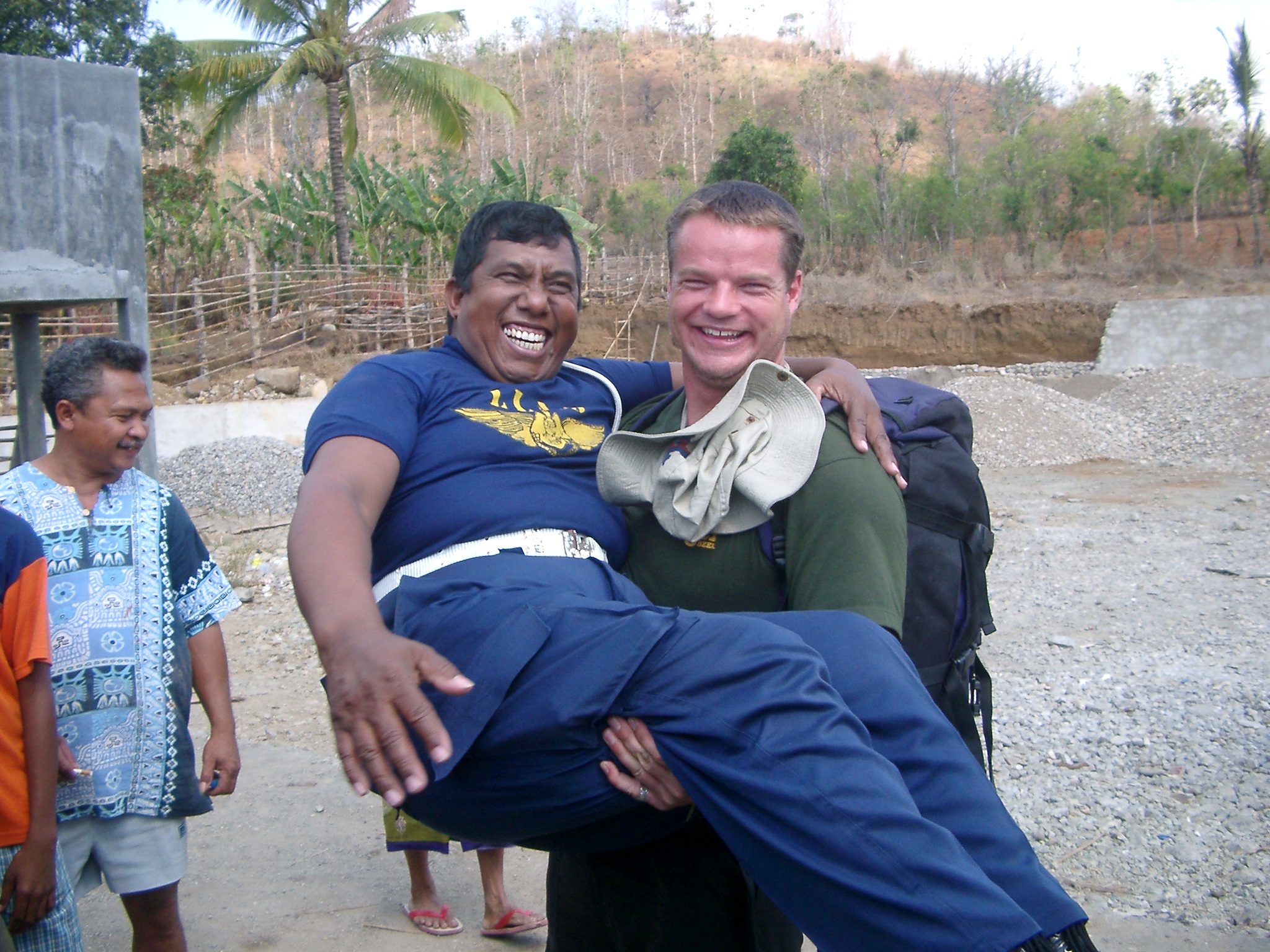
East Timor, officially known as Timor-Leste, is a country that quietly leaves a deep and lasting impression on those who take the time to visit it. Still relatively untouched by mass tourism, it offers an experience that feels genuine and unfiltered. While its landscapes are undeniably beautiful — with rugged coastlines, turquoise waters, and forested hills — it is the people of East Timor who truly define the experience. During my time there, every interaction carried a sense of openness and warmth that felt increasingly rare in the modern world.
First Impressions of a Gentle Country
Arriving in East Timor, the pace of life immediately felt slower and more deliberate. Dili, the capital, is modest rather than imposing, with low-rise buildings, wide coastal views, and an atmosphere that feels relaxed rather than hurried. The sea is ever-present, its deep blues stretching alongside the city, and the surrounding hills provide a dramatic backdrop.
Unlike many destinations shaped heavily by tourism, East Timor feels refreshingly unpolished. There are no crowds of visitors, no aggressive marketing of experiences, and very few places designed solely for tourists. Instead, daily life unfolds naturally. People walk rather than rush, conversations take precedence over schedules, and there is a strong sense of community.
This simplicity is not a sign of lack, but of balance. Life here feels grounded.
A Landscape That Shapes Its People
East Timor’s geography is both beautiful and demanding. The coastline is rugged and wild, with secluded beaches that feel untouched. Inland, mountains rise steeply, cloaked in forests that are rich in biodiversity. Villages are often tucked into valleys or perched on hillsides, connected by winding roads that offer spectacular views.
Living in such an environment requires resilience, cooperation, and adaptability. These qualities are reflected in the local population. There is a quiet strength in the people, shaped by the land and by a history that has demanded perseverance.
Nature is deeply woven into everyday life. Fishing, farming, and small-scale trade remain central to many communities. This connection to the land fosters a sense of respect — for nature, for tradition, and for one another.
The Warmth of the Local Population
What truly distinguishes East Timor is the genuine friendliness of its people. From the moment I began interacting with locals, I felt welcomed rather than observed. Smiles came easily, conversations started naturally, and curiosity flowed both ways.
People were eager to talk about their country, their families, and their way of life. There was pride in sharing traditions, explaining customs, and answering questions. Even where language barriers existed, communication found its way through gestures, laughter, and patience.
This openness did not feel rehearsed or transactional. It was not hospitality performed for visitors; it was hospitality as a way of life.
Everyday Encounters
Some of the most meaningful moments came from simple, unplanned encounters. A conversation struck up while waiting for transport. A shared meal in a small local café. A group of children waving enthusiastically as I passed through a village.
In markets, vendors took time to chat, often asking where I was from and what had brought me to East Timor. There was genuine interest, not just in selling goods, but in understanding who I was. These interactions turned routine moments into memorable experiences.
At no point did I feel like an outsider imposing on local life. Instead, I felt invited into it, even if only briefly.
Culture and Tradition
East Timorese culture is deeply rooted in tradition, family, and community. Catholicism plays a significant role in daily life, introduced during centuries of Portuguese influence, yet it blends seamlessly with older, indigenous beliefs and practices.
Ceremonies, festivals, and communal gatherings are important, reinforcing bonds within villages and families. Respect for elders is evident, as is a strong sense of collective responsibility. People look out for one another, and this communal mindset extends naturally to visitors.
There is also a deep respect for history. The struggle for independence is not forgotten, and stories of resilience and sacrifice are shared openly. Yet these stories are told with dignity rather than bitterness, often accompanied by expressions of hope for the future.
Resilience Shaped by History
East Timor’s recent past is marked by hardship. The road to independence was long and painful, leaving scars that are still visible. Yet what is remarkable is how little this history weighs down the present.
Rather than defining themselves solely by past suffering, the people of East Timor project optimism. There is a strong desire to build, improve, and move forward, while still honouring what has been endured.
This resilience is quiet but powerful. It manifests in patience, generosity, and an ability to find joy in simple things.
Hospitality Beyond Expectation
Hospitality in East Timor extends far beyond formal settings. Invitations to sit, talk, and share food came frequently, often from people who had little to spare. These gestures carried great significance, reflecting a culture where generosity is valued over abundance.
Even practical help was offered readily. Directions were given with care, assistance volunteered without being asked, and time freely shared. There was no sense of inconvenience — helping others seemed natural.
This warmth created a feeling of safety and belonging that stayed with me throughout my visit.
A Country That Leaves Its Mark
As my time in East Timor came to an end, I realised how deeply the experience had affected me. It wasn’t the dramatic landscapes alone, nor any single standout event, but the accumulation of small, human moments that left the strongest impression.
East Timor taught me the value of slowing down, of engaging with people rather than rushing past them, and of appreciating sincerity over spectacle.
Conclusion
East Timor is an amazing country not because it tries to impress, but because it doesn’t have to. Its natural beauty is striking, but it is the character of its people that defines the experience. Friendly, welcoming, resilient, and deeply human, the local population embodies a spirit that is both inspiring and humbling.
Every interaction, no matter how brief, carried warmth and authenticity. These encounters transformed a visit into a meaningful journey and left a lasting impression that continues to resonate long after leaving.
In East Timor, you don’t just see a country — you feel it, through its people.
