
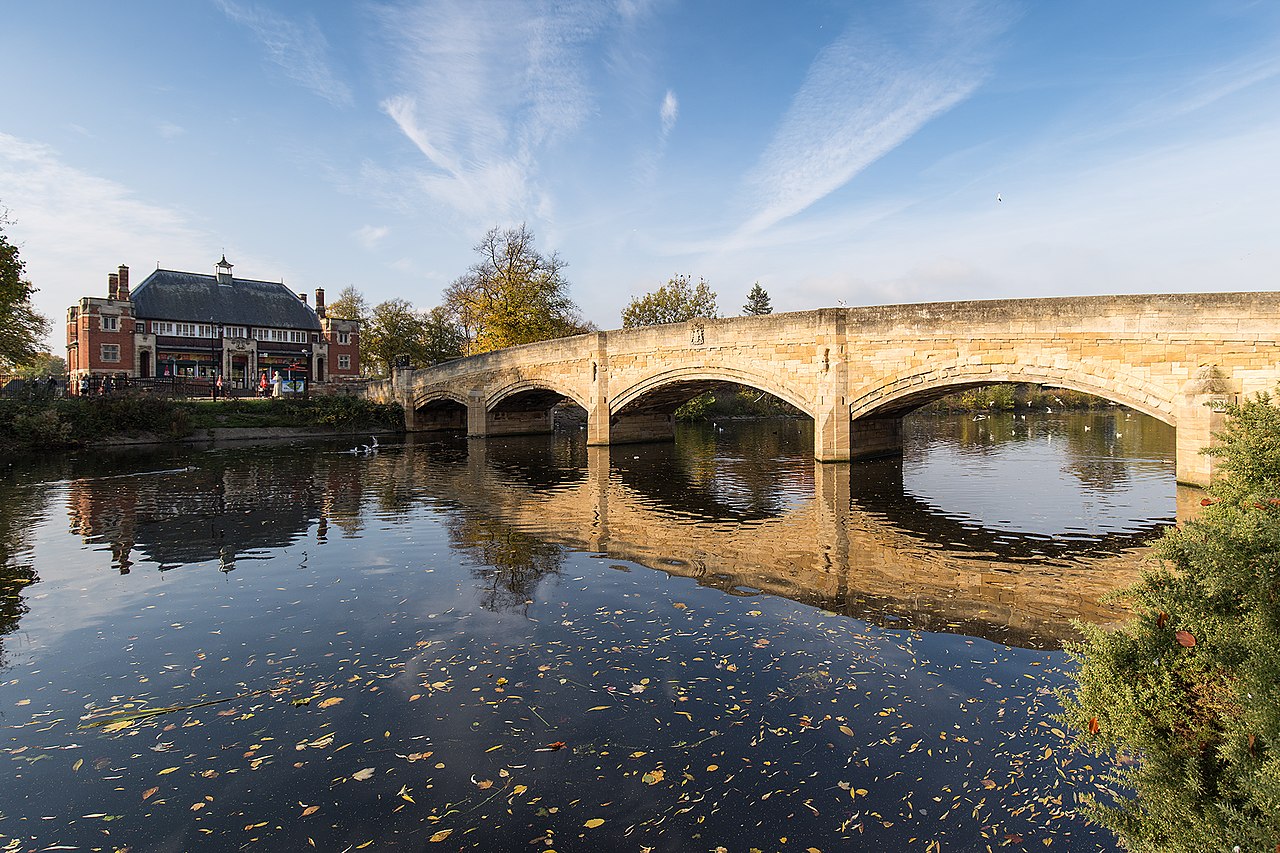
Abbey Park in Leicester is one of the city’s most cherished green spaces, offering a rich blend of natural beauty, historical significance, and recreational opportunities. Situated just north of Leicester city centre along the banks of the River Soar, the park has long served as a place of relaxation, reflection, and community life. With its landscaped gardens, waterways, historic ruins, and wide open lawns, Abbey Park reflects both Leicester’s deep history and its commitment to preserving accessible public spaces for future generations.
Origins and Historical Background
The origins of Abbey Park are closely tied to Leicester Abbey, a medieval religious house founded in 1137 by Robert le Bossu, the second Earl of Leicester. Originally known as the Abbey of St Mary de Pratis, the abbey became one of the most important religious institutions in the region. It played a significant role in spiritual life, land management, and local governance during the Middle Ages.
The abbey’s importance is further highlighted by its association with Cardinal Thomas Wolsey, one of the most powerful figures in Tudor England. Following his fall from favour with King Henry VIII, Wolsey was arrested and taken towards London to face charges of treason. He fell ill during the journey and died in 1530 at Leicester Abbey. This historical connection adds national significance to the site and is commemorated within the park today.
The dissolution of the monasteries under Henry VIII in the 1530s led to the destruction of much of Leicester Abbey. Over time, the land changed hands and was gradually transformed from a religious complex into open grounds. In the late 19th century, Leicester Corporation acquired the land and opened Abbey Park to the public in 1882, reflecting Victorian ideals about public health, leisure, and access to green spaces.
Layout and Landscape Design
Abbey Park is thoughtfully designed, combining formal gardens with more naturalistic landscapes. The park is divided into distinct areas, each offering a different atmosphere and experience. Carefully maintained flowerbeds, tree-lined paths, and ornamental features coexist with open grassy spaces and riverside walks.
One of the park’s most striking features is its proximity to the River Soar and the Grand Union Canal. The waterways contribute to the park’s tranquil character and provide habitats for a wide range of wildlife. Swans, ducks, geese, and other birds are a common sight, making the park especially popular with families and nature enthusiasts.
Bridges and pathways connect different parts of the park, encouraging exploration and leisurely walks. The layout balances accessibility with a sense of escape, allowing visitors to feel removed from the city despite being only a short distance from the urban centre.
The Abbey Ruins and Historical Features
At the heart of Abbey Park are the remains of Leicester Abbey itself. Although only fragments of the original buildings survive, the ruins are an evocative reminder of the site’s medieval past. Stone walls and foundations outline the scale of the former abbey, inviting visitors to imagine the life of the monks who once lived and worked there.
Interpretive signage helps to explain the history of the abbey and its role in Leicester’s development. The site where Cardinal Wolsey is believed to have died is marked, adding an additional layer of historical interest. These features make Abbey Park not just a place of leisure, but also a space for learning and reflection.
Nearby, the Cavendish House ruins add another historical dimension. Originally a grand mansion built in the 17th century by the Cavendish family, the house was later destroyed by fire. Its remains stand as a reminder of the changing fortunes and uses of the land over centuries.
Floral Displays and Gardens
Abbey Park is particularly well known for its seasonal floral displays, which reflect a long tradition of horticultural excellence. The park’s formal gardens are carefully planned to provide colour and interest throughout the year, with spring bulbs, summer bedding plants, and autumnal foliage creating an ever-changing landscape.
Victorian-style flowerbeds, often arranged in geometric patterns, pay homage to the park’s origins as a 19th-century public space. These displays are not only visually striking but also demonstrate the role of municipal parks in promoting civic pride and well-being.
In addition to ornamental planting, the park contains mature trees and quieter areas where visitors can enjoy a more natural environment. This balance between formal gardening and informal green space ensures that the park appeals to a wide range of tastes and activities.
Recreation and Community Use
Abbey Park plays a vital role in the daily life of Leicester’s residents. Its open lawns are used for picnics, informal sports, and relaxation, while its paths are popular with walkers, joggers, and cyclists. The park provides a safe and welcoming environment for people of all ages to enjoy outdoor activity.
Facilities within the park include a café, children’s play areas, and tennis courts, enhancing its appeal as a family-friendly destination. The park also hosts events throughout the year, including cultural festivals, charity runs, and community celebrations. These events help to strengthen social connections and reinforce the park’s role as a shared public space.
Wildlife and Environmental Value
Beyond its recreational and historical importance, Abbey Park has significant environmental value. The presence of water, trees, and varied planting creates diverse habitats that support wildlife within the city. Birds, insects, and small mammals thrive in this green corridor, contributing to urban biodiversity.
The park also plays an important role in flood management and environmental sustainability. The River Soar and surrounding green spaces help to absorb excess water during periods of heavy rainfall, reducing the risk of flooding elsewhere in the city. In this way, Abbey Park provides practical environmental benefits alongside its cultural and aesthetic functions.
Cultural Significance
Abbey Park holds a special place in Leicester’s cultural identity. For generations, it has been a site of leisure, celebration, and remembrance. Its association with major historical figures, its role in the development of public parks, and its continued use as a community space all contribute to its enduring significance.
The park is also closely linked to Leicester’s wider heritage landscape, sitting near other notable sites such as the National Space Centre and Leicester Cathedral. Together, these landmarks reflect the city’s ability to blend history, science, nature, and modern life.
Conclusion
Abbey Park in Leicester is far more than a simple green space. It is a place where history and nature intersect, offering insight into the city’s medieval past, its Victorian development, and its contemporary community life. From the ruins of Leicester Abbey and the story of Cardinal Wolsey to the peaceful riverside walks and vibrant floral displays, the park provides a rich and varied experience for all who visit. As Leicester continues to grow and evolve, Abbey Park remains a vital and treasured part of the city, preserving its heritage while enhancing the quality of life for residents and visitors alike.
