
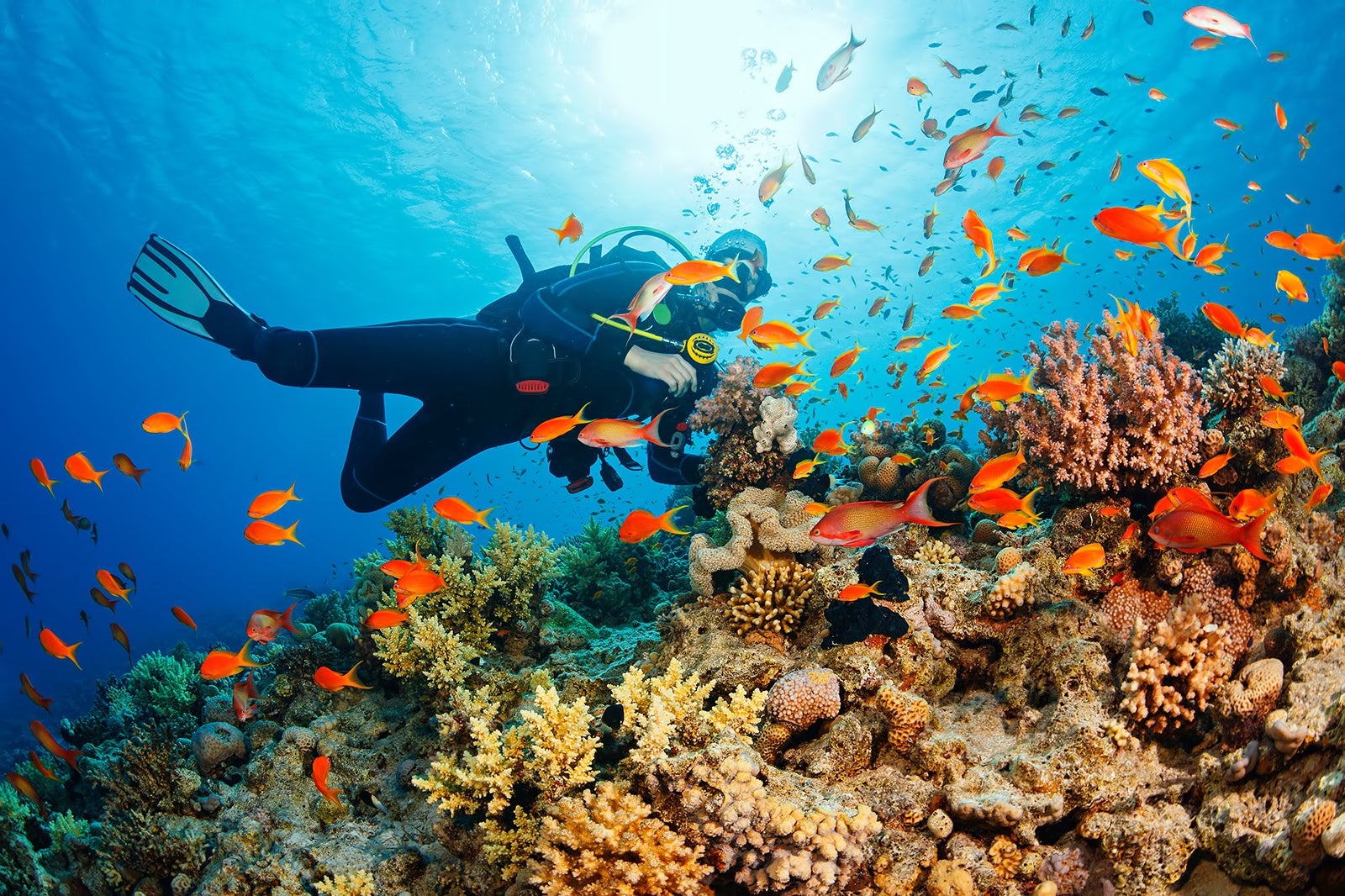
My diving holiday in Phuket, Thailand offered a completely different underwater experience from anywhere I had dived before. Set along the Andaman Sea, Phuket blends tropical warmth, dramatic marine life, and a relaxed island rhythm that seeps into every part of the day. From early morning boat departures to long rides across open water, diving here felt like an adventure shaped as much by the journey as by the dives themselves.
Phuket’s dive sites are spread out, often requiring extended boat trips that pass limestone cliffs, small islands, and wide stretches of open sea. These journeys created a sense of anticipation that built slowly, allowing time to prepare mentally for each dive. Unlike more sheltered reef systems, the Andaman Sea feels expansive and alive, influenced by currents and seasons that shape visibility, temperature, and marine encounters.
Over the course of the holiday, three dive sites stood out in particular: King Cruiser Wreck, Anemone Reef, and Shark Point. Together, they formed a diverse and memorable snapshot of what diving in Thailand has to offer.
The Atmosphere of Diving in Phuket
Diving in Phuket has a distinct character. The water is warm year-round, making long dives comfortable, but conditions can be more variable than in places like the Red Sea. Visibility changes with plankton levels, and currents can range from gentle drifts to more demanding flows. Rather than detracting from the experience, this variability adds an element of unpredictability that keeps you alert and engaged.
Life here is abundant. Even when visibility is reduced, the sheer density of marine life compensates. Colours emerge gradually as you descend, and shapes resolve themselves into fish, coral, and movement. Phuket diving is not about pristine, postcard-perfect views at all times; it is about immersion in a living, dynamic ecosystem.
King Cruiser Wreck
The King Cruiser was one of the most anticipated dives of the trip. This passenger ferry sank in 1997 after striking Anemone Reef and now rests upright on the seabed, transformed into an artificial reef. Approaching the site, there was a palpable sense of excitement on the boat. Wreck dives always carry a certain gravity — part history, part exploration.
Descending through the water, the outline of the wreck slowly emerged, its structure looming larger as we approached. The scale of the King Cruiser is impressive. Even with limited visibility, its size is unmistakable. Swimming alongside the hull, I was struck by how completely nature had claimed it. Corals and sponges coated the metal surfaces, softening the harsh lines of the ship and turning it into a thriving habitat.
Schools of fish surrounded the wreck, using its bulk as shelter from currents. Barracuda hovered in the blue, while lionfish occupied quieter corners. Penetration was limited, and we remained outside the structure, but even without entering, there was plenty to absorb. The wreck felt alive, buzzing with movement and sound.
There was also a reflective quality to the dive. Knowing that this was once a functioning ferry, carrying people across the sea, added depth to the experience. Now, it serves a completely different purpose — not transport, but life support. The King Cruiser dive left a lasting impression, blending human history with natural renewal.
Anemone Reef
If the King Cruiser represented scale and structure, Anemone Reef was all about texture and colour. Rising from the seabed like a submerged pinnacle, the reef is famous for its dense covering of sea anemones, each one hosting its own community of life.
Descending onto the reef, the first thing that stood out was movement. Thousands of anemone tentacles swayed in the current, creating a living carpet that seemed to ripple across the rock. Nestled within them were countless clownfish, darting in and out with confident familiarity.
The reef itself was alive with activity. Fusiliers streamed past in coordinated schools, while scorpionfish lay perfectly camouflaged against the rock. Moray eels peered from holes, and cleaner shrimp went about their work, attending to passing fish.
Anemone Reef felt intimate despite its vertical structure. There was always something happening at eye level, something drawing attention without demanding it. The dive encouraged slow exploration rather than distance covered, rewarding careful observation and patience.
Shark Point
Shark Point was perhaps the most iconic site of the trip. Known for its leopard sharks, it carries an air of anticipation from the moment you enter the water. The reef is made up of several pinnacles, rising from deeper water and forming a network of habitats.
Descending, visibility was moderate, but shapes soon emerged from the blue. The reef was rich with life — schools of snapper, vibrant nudibranchs, and a variety of reef fish occupying every available niche. Then, resting on the sandy bottom, came the moment everyone hopes for at Shark Point.
A leopard shark lay motionless on the seabed, its distinctive spotted pattern immediately recognisable. Seeing one in person was a powerful experience. Despite the name, it appeared calm and entirely uninterested in our presence. Watching it breathe, its gills moving slowly, was strangely soothing.
The encounter was not dramatic or fast-paced; it was quiet and respectful. We kept our distance, observing rather than approaching. It was a reminder that some of the most profound wildlife encounters happen when you simply allow space and time.
Beyond the sharks, Shark Point offered incredible biodiversity. Every direction revealed something new, from macro life hidden in crevices to large schools cruising above the reef.
Life Above the Surface
Between dives, the experience continued on the boat. Long surface intervals meant time to talk, reflect, and absorb what we had seen. The sun, the sea breeze, and the distant outline of islands created a relaxed atmosphere that contrasted beautifully with the intensity of the dives themselves.
Phuket’s diving culture felt welcoming and unpretentious. There was a shared understanding among divers that conditions vary and that flexibility is part of the experience. This mindset fostered a sense of camaraderie and appreciation rather than expectation.
Final Reflections
My diving holiday in Phuket was not defined by perfect visibility or easy conditions, but by character and richness. The combination of the King Cruiser wreck, the vibrant life of Anemone Reef, and the unforgettable encounter at Shark Point created a varied and deeply satisfying experience.
Each dive offered something different: history, colour, wildlife, and reflection. Together, they painted a picture of the Andaman Sea as a place of resilience and abundance, shaped by both natural forces and human influence.
Long after leaving Thailand, the memories of drifting alongside a sunken ferry, watching anemones sway in the current, and observing a leopard shark resting peacefully on the seabed stayed with me. Phuket reminded me that diving is not about ticking off sites, but about presence — about entering another world and leaving it unchanged, yet changed yourself.
