
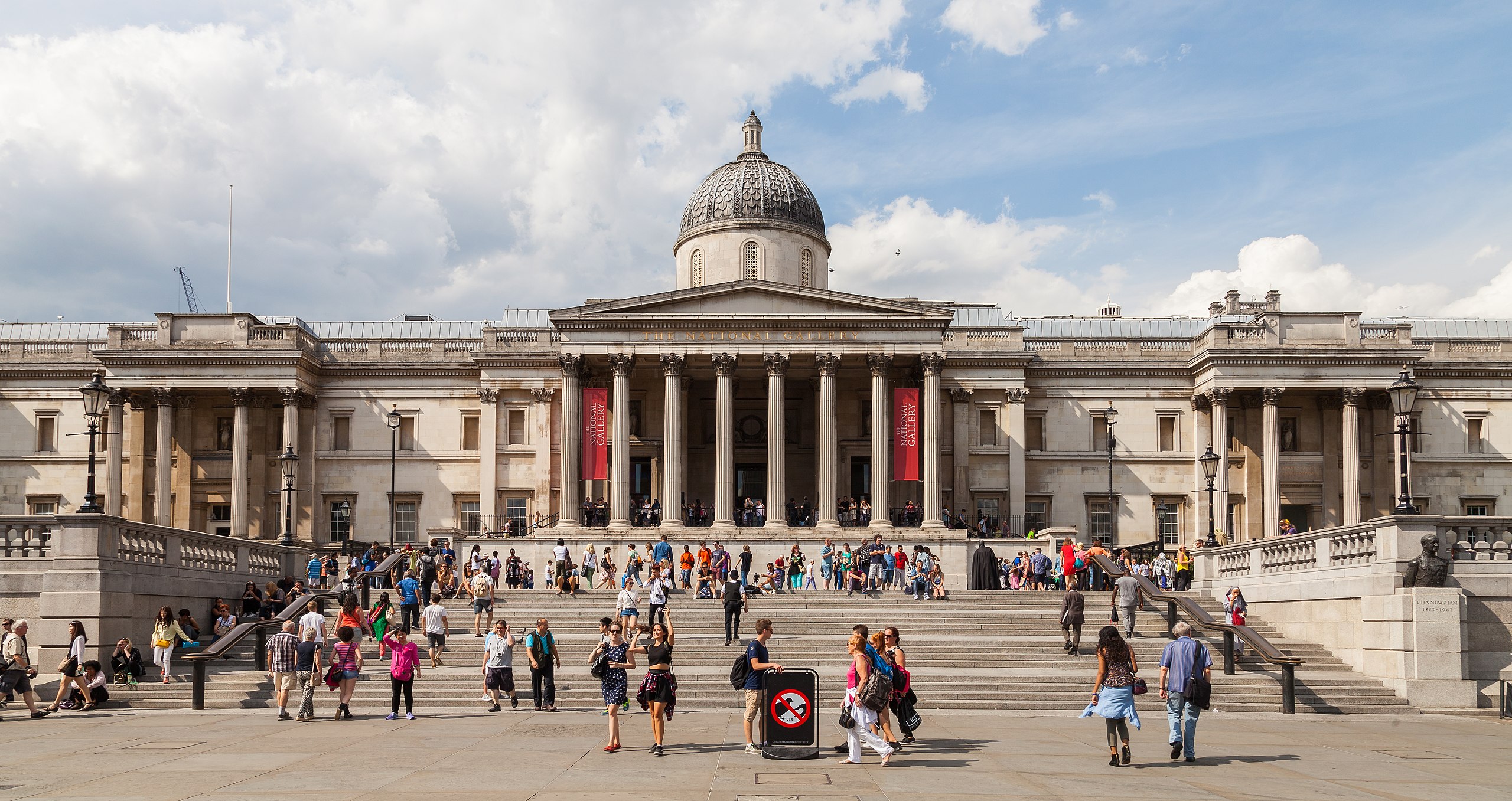
The National Gallery in London is one of the most famous art museums in the world. Located in the heart of the city at Trafalgar Square, the gallery houses an extraordinary collection of Western European paintings dating from the 13th to the early 20th century. It is widely regarded as one of the greatest cultural institutions in the United Kingdom and attracts millions of visitors each year from around the world.
The National Gallery offers visitors the opportunity to explore the development of European painting through masterpieces created by some of the most celebrated artists in history. The museum is not only a place to admire beautiful artworks, but also a centre for education, research, and cultural enrichment.
Historical Background
The National Gallery was founded in 1824 when the British government purchased a collection of 38 paintings from the banker and collector John Julius Angerstein. This small but valuable collection formed the foundation of what would later become one of the most important art collections in the world.
Initially, the paintings were displayed in Angerstein’s former home in London. However, as the collection grew, a larger building was needed. In 1838, the National Gallery moved to its current location in Trafalgar Square, where a purpose-built neoclassical building was constructed to house the expanding collection.
Over the years, the gallery has continued to acquire new works through purchases, donations, and bequests. Today, the collection includes over 2,300 paintings representing many of the most important developments in Western art.
Architecture and Location
The National Gallery building is an iconic landmark in central London. Its grand façade, large columns, and dome make it a prominent feature of Trafalgar Square. The building was designed by architect William Wilkins in the neoclassical style, which was popular during the 19th century.
Trafalgar Square itself is one of the most visited public spaces in London and is also home to Nelson’s Column. The location makes the gallery easily accessible to both tourists and residents.
The gallery has been expanded and renovated several times in order to provide more exhibition space and improve visitor facilities. The layout is designed to allow visitors to follow a chronological journey through the history of art.
The Collection
The National Gallery’s collection focuses on Western European painting and covers more than 700 years of artistic development. The paintings are organised by period and region, allowing visitors to see how artistic styles evolved over time.
The collection includes works from major artistic movements such as:
- The Renaissance
- The Baroque period
- The Rococo style
- Romanticism
- Impressionism
- Post-Impressionism
Each period reflects changes in artistic techniques, cultural influences, and historical events.
Renaissance Masters
One of the highlights of the National Gallery is its collection of Renaissance paintings. The Renaissance was a period of great artistic innovation that began in Italy during the 14th century.
Important Renaissance artists represented in the gallery include:
- Leonardo da Vinci
- Michelangelo
- Raphael
- Sandro Botticelli
These artists are known for their realistic representation of the human body, use of perspective, and exploration of religious and mythological themes.
One famous painting in the gallery is The Virgin of the Rocks by Leonardo da Vinci, which demonstrates his mastery of light, shadow, and composition.
Dutch and Flemish Paintings
The National Gallery also has an impressive collection of Dutch and Flemish paintings from the 17th century. This period is often referred to as the Dutch Golden Age, when artists focused on realism and detailed observation of everyday life.
Key artists from this period include:
- Rembrandt
- Johannes Vermeer
- Peter Paul Rubens
- Anthony van Dyck
These artists are known for their use of light and shadow, detailed textures, and emotional expression.
Impressionism and Post-Impressionism
The gallery also features works by French Impressionist and Post-Impressionist painters who revolutionised art in the 19th century.
Important artists include:
- Claude Monet
- Vincent van Gogh
- Pierre-Auguste Renoir
- Paul Cézanne
Impressionist artists focused on capturing the effects of light and colour, often painting outdoor scenes and everyday life.
One of the most famous paintings in the gallery is Sunflowers by Vincent van Gogh, which is admired for its bold colours and expressive brushwork.
Themes in the Collection
The paintings in the National Gallery cover a wide range of themes, including:
- Religious scenes
- Portraits of important individuals
- Landscapes and nature
- Historical events
- Mythological subjects
- Everyday life
Religious paintings were particularly common in earlier periods, as many artists were commissioned by churches or wealthy patrons.
Portrait painting became more popular during the Renaissance, as wealthy individuals wanted to preserve their image and status.
Landscape painting gained importance during the 18th and 19th centuries, reflecting an increased appreciation of nature.
Educational Role
The National Gallery plays an important role in education and research. It offers a wide range of educational programmes, including:
- Guided tours
- Lectures and talks
- Workshops for students
- Online learning resources
- Family activities
Schools and universities often organise visits to the gallery as part of art and history courses.
The gallery also publishes research and provides information about art conservation and restoration.
Conservation and Restoration
Preserving paintings that are hundreds of years old requires careful conservation work. The National Gallery employs specialists who examine and restore paintings using scientific techniques.
Conservation work may involve cleaning paintings, repairing damage, or analysing materials used by artists.
This work helps ensure that future generations will be able to enjoy these masterpieces.
Visitor Experience
Visitors to the National Gallery often comment on the peaceful atmosphere and the opportunity to see world-famous paintings free of charge. Admission to the permanent collection is usually free, making art accessible to a wide audience.
Facilities available at the gallery include:
- Café and restaurant
- Gift shop
- Audio guides
- Seating areas
- Accessible entrances
The gallery’s central location makes it easy to combine a visit with other nearby attractions.
Cultural Importance
The National Gallery is an important part of the UK’s cultural heritage. It helps preserve artistic achievements and allows people to experience the creativity of past generations.
Art galleries encourage creativity, critical thinking, and appreciation of beauty.
By displaying works from different countries and historical periods, the National Gallery promotes understanding of cultural diversity and shared human experiences.
Conclusion
The National Gallery in London is one of the world’s greatest art museums, offering visitors the chance to explore centuries of artistic achievement. Its extensive collection, educational programmes, and commitment to preservation make it a valuable cultural institution.
Whether visitors are art experts or simply curious, the National Gallery provides an inspiring experience that highlights the importance of creativity and artistic expression.
The museum continues to attract millions of visitors each year and remains a symbol of the importance of art in society.
