
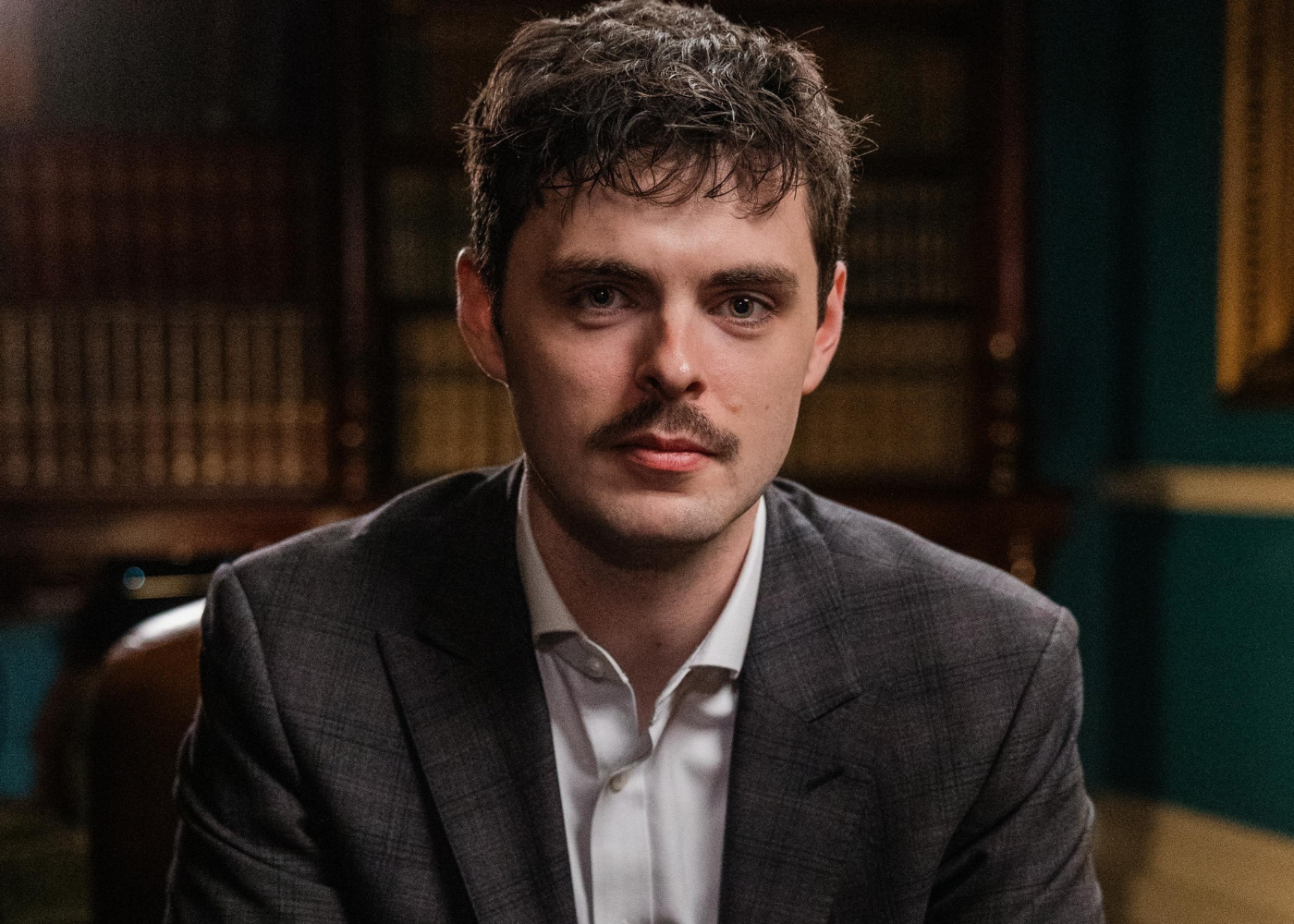
Attending An Evening with Alex O’Connor at the historic Tyne Theatre & Opera House offers a stimulating and intellectually engaging experience that blends philosophy, debate, humour, and contemporary cultural discussion. Alex O’Connor, also widely known online as CosmicSkeptic, has become one of the most prominent young public philosophers of the digital age. His work bridges the gap between academic philosophy and popular discourse, making complex ideas accessible to a broad audience. Through his live tour, O’Connor brings his analytical approach and conversational style from the online world into a shared physical space, allowing audiences to participate directly in philosophical discussion.
Alex O’Connor first gained recognition through his YouTube channel CosmicSkeptic, where he discusses topics including ethics, religion, metaphysics, free will, and moral responsibility. His videos often involve careful reasoning, respectful engagement with opposing viewpoints, and a commitment to intellectual honesty. Over time, he has built a substantial following among viewers interested in critical thinking and philosophical inquiry. His willingness to engage in debates with scholars, religious leaders, and public intellectuals has contributed to his reputation as a thoughtful and articulate speaker.
O’Connor studied philosophy and theology at Oxford University, an academic background that strongly influences his analytical style. His education is reflected in the structured arguments he presents, often drawing on classical philosophers as well as modern thinkers. His discussions frequently reference philosophical traditions associated with figures such as Socrates, David Hume, and Immanuel Kant. By connecting historical philosophy to contemporary issues, O’Connor demonstrates that many modern debates have deep intellectual roots.
The live event An Evening with Alex O’Connor typically combines prepared material with interactive discussion. Rather than delivering a purely scripted lecture, O’Connor encourages audience participation, often allowing attendees to ask questions or challenge his arguments. This format reflects the Socratic tradition of dialogue, in which knowledge develops through questioning and examination rather than passive listening. The atmosphere is both educational and conversational, appealing to people who enjoy thoughtful debate.
At the Tyne Theatre & Opera House, the environment adds to the experience. The theatre itself is a historic venue known for its distinctive Victorian architecture and cultural significance in the North East of England. Watching a modern philosophical discussion in such a traditional setting creates an interesting contrast between past and present intellectual culture. Philosophy, often associated with ancient Greece or university lecture halls, is presented here as a living discipline that continues to evolve.
O’Connor frequently addresses ethical questions related to everyday life. One of the subjects he is particularly known for discussing is animal ethics and the moral implications of dietary choices. He has argued that many people accept ethical principles that should logically lead them to reconsider how animals are treated within food production systems. His approach does not rely on emotional persuasion alone but instead focuses on logical consistency. He encourages audiences to reflect on whether their actions align with their moral beliefs.
Religion is another topic often explored in his talks. O’Connor initially became widely known for his critiques of religious belief, analysing arguments for the existence of God and examining philosophical responses to questions about morality and meaning. Over time, his work has evolved to include broader discussions about uncertainty, epistemology, and the limits of human knowledge. Rather than presenting simple conclusions, he often highlights the complexity of philosophical questions and the importance of remaining open to new evidence.
Humour plays an important role in making his talks accessible. Philosophy can sometimes appear abstract or intimidating, but O’Connor’s relaxed delivery style helps audiences feel comfortable engaging with challenging ideas. His use of wit demonstrates that intellectual discussion does not need to be overly formal. By combining humour with rigorous reasoning, he creates an environment where people feel encouraged to think critically without feeling overwhelmed.
Another key theme in An Evening with Alex O’Connor is the importance of civil discourse. In an era where public debate is often polarised, O’Connor emphasises the value of respectful disagreement. He frequently engages with individuals who hold very different views, demonstrating that constructive dialogue can occur even when there is no immediate agreement. This approach reflects the philosophical principle that truth is more likely to emerge when ideas are tested through discussion.
O’Connor’s popularity also reflects broader cultural trends. In recent years, there has been growing interest in long-form discussion and podcast-style conversations, where complex issues can be explored in depth. Many people seek alternatives to short-form social media content, preferring more detailed analysis of political, ethical, and philosophical topics. O’Connor’s work fits within this trend, offering audiences the opportunity to explore ideas in a thoughtful and structured way.
The live tour format provides additional benefits compared to online content. Attending the event in person allows for a sense of shared intellectual curiosity. Audience members can react to arguments collectively, laugh at humorous observations, and participate in real-time questioning. This communal aspect recalls historical traditions of public lectures and debates, where philosophical ideas were discussed in public forums.
During the event, O’Connor may also reflect on his own intellectual development. Many philosophers emphasise the importance of questioning one’s own beliefs, and O’Connor often acknowledges how his views have changed over time. This willingness to revise opinions demonstrates intellectual humility and reinforces the idea that philosophy is an ongoing process rather than a fixed set of conclusions.
The themes explored in An Evening with Alex O’Connor often extend beyond academic philosophy into practical decision-making. Questions about ethics, responsibility, and meaning affect everyday life choices, including how individuals treat others, how they evaluate information, and how they form beliefs about the world. By encouraging audiences to think carefully about these issues, O’Connor promotes a reflective approach to living.
The experience of attending the talk at Tyne Theatre & Opera House also highlights the continuing relevance of live cultural events. While online platforms provide access to information, live events create opportunities for direct engagement and deeper concentration. The physical presence of a speaker and audience fosters attentiveness and encourages thoughtful listening.
O’Connor’s influence can also be understood within the broader tradition of public intellectuals who aim to make complex ideas accessible to wider audiences. Philosophers such as Bertrand Russell and A.J. Ayer similarly wrote for general readers as well as academic audiences. O’Connor’s use of digital media represents a contemporary continuation of this tradition, adapting philosophical communication to modern technology.
In conclusion, An Evening with Alex O’Connor provides an engaging exploration of philosophical ideas in a format that is both accessible and intellectually rigorous. Through his thoughtful presentation style, Alex O’Connor encourages audiences to examine their beliefs, engage in respectful debate, and appreciate the complexity of ethical and metaphysical questions. Experiencing the talk at Tyne Theatre & Opera House adds cultural and historical depth to the event, reinforcing the importance of public spaces for intellectual exchange. The tour demonstrates that philosophy remains highly relevant in contemporary society, offering tools for understanding the world and making informed decisions about how to live within it.
