
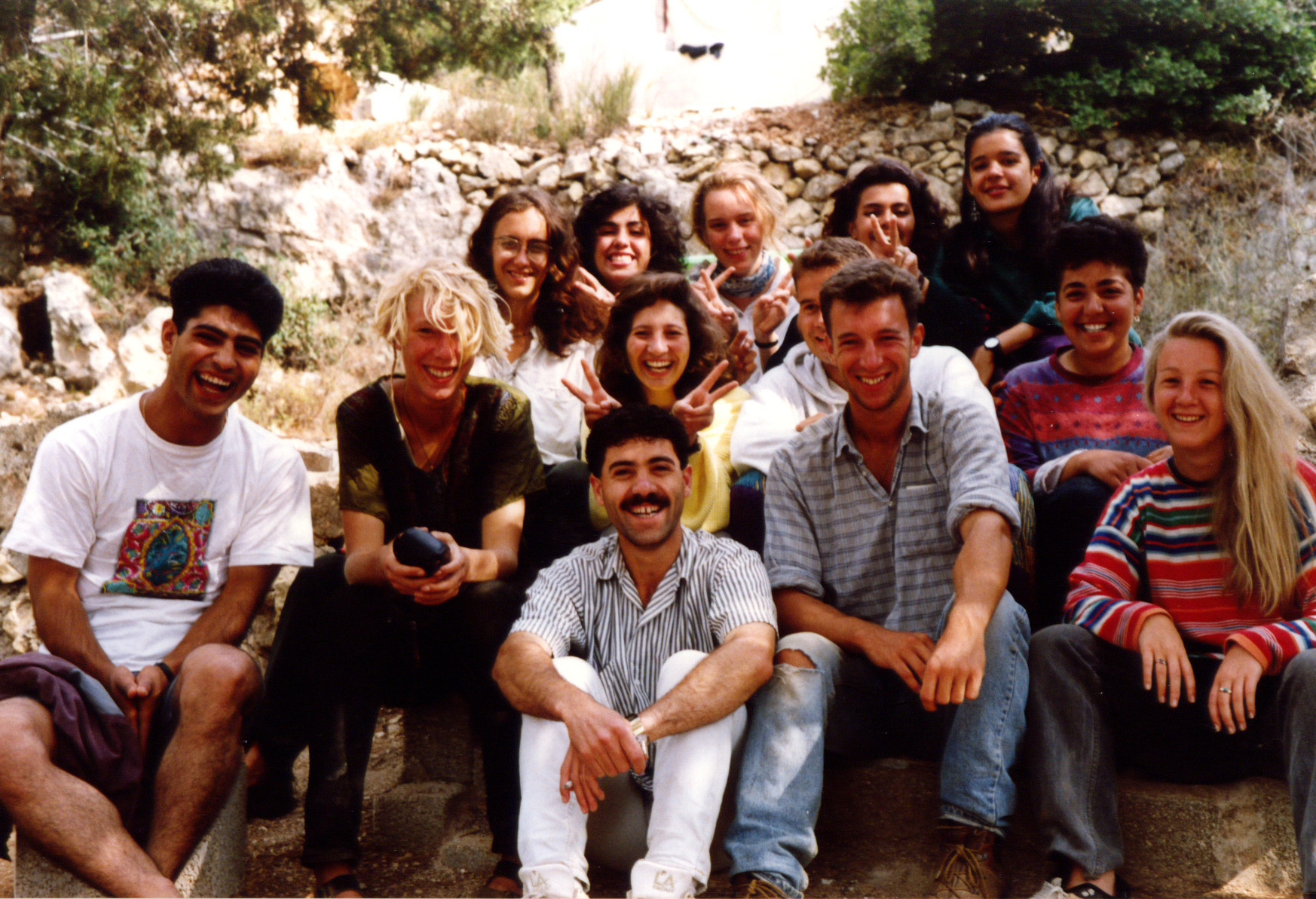
Participating in the International Summer Workcamp at Birzeit University was one of the most transformative and meaningful experiences of my journey through the Middle East. Situated in the West Bank of Palestine, Birzeit University is not only an academic institution but also a powerful symbol of resilience, identity, and commitment to education under exceptionally challenging circumstances. The workcamp offered me a rare opportunity to move beyond headlines and statistics and to engage directly with Palestinian students, academics, and communities, gaining first-hand insight into their daily realities, aspirations, and unwavering dedication to learning and self-determination.
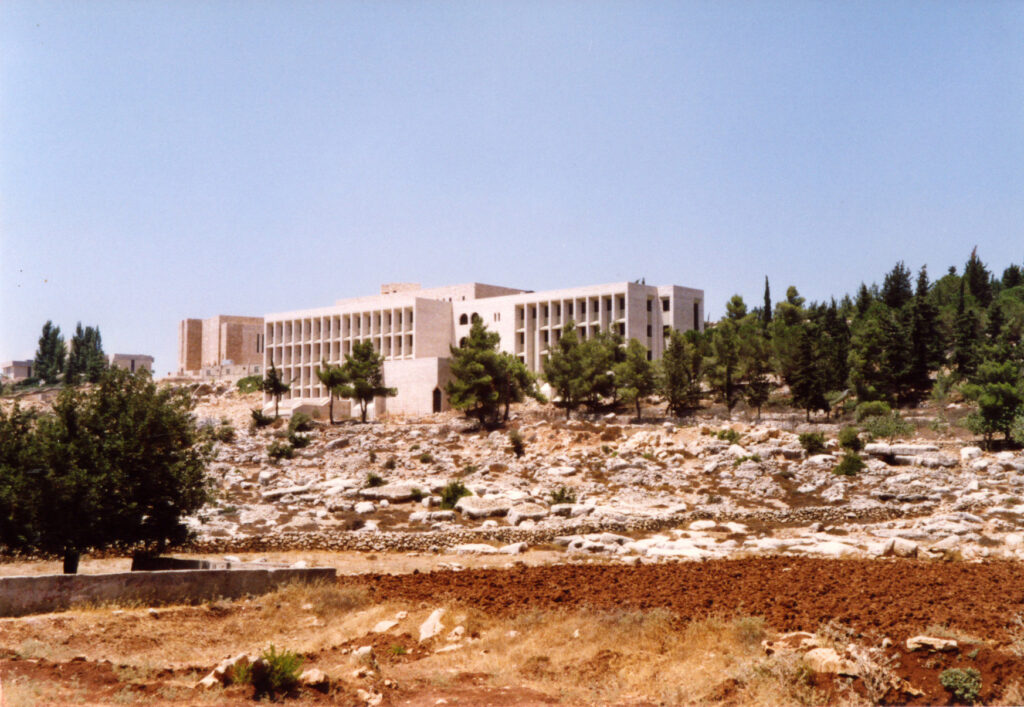
From the moment I arrived at Birzeit University, I sensed that this experience would be profoundly different from any other volunteering or academic programme I had previously encountered. The campus itself, perched on rolling hills north of Ramallah, was both beautiful and striking in its atmosphere. Despite the surrounding political tensions and restrictions that shape everyday life in the West Bank, the university felt alive with intellectual energy, creativity, and hope. Students moved between lectures with a strong sense of purpose, and staff welcomed us warmly, clearly valuing the international solidarity that the workcamp represented.
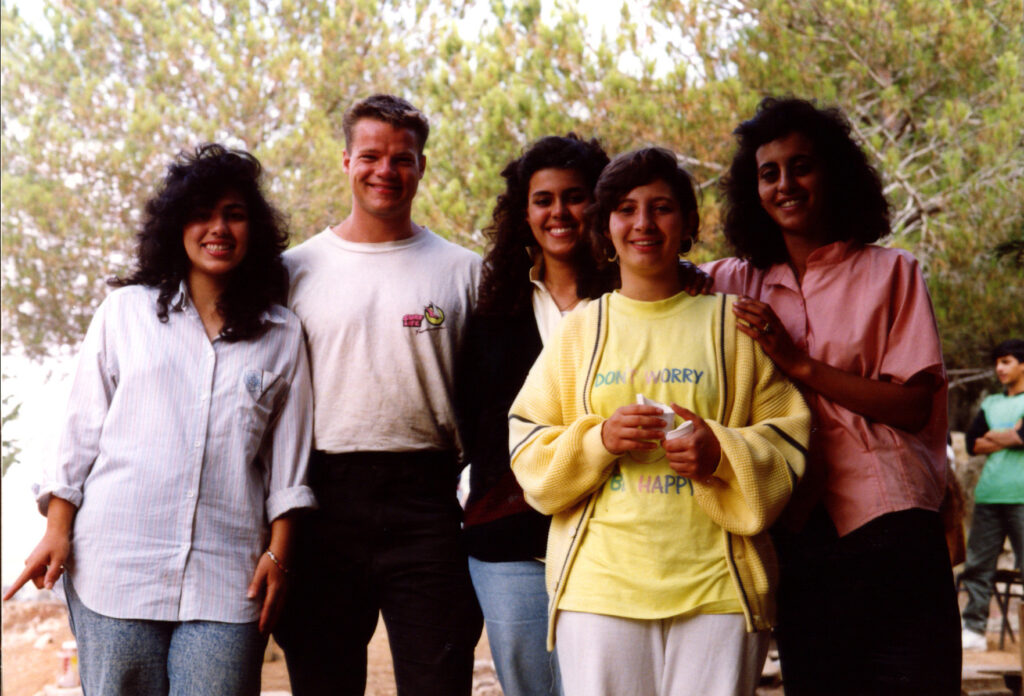
The workcamp brought together volunteers from diverse backgrounds and nationalities, each motivated by a desire to contribute positively while learning about Palestinian society and culture. This international mix created a unique environment of shared learning, where conversations extended far beyond the practical tasks of the day. We discussed politics, history, culture, and education, often late into the evening, reflecting on what we were witnessing and how it challenged our existing assumptions. These exchanges were as valuable as the physical work we carried out, fostering mutual understanding and long-lasting connections.
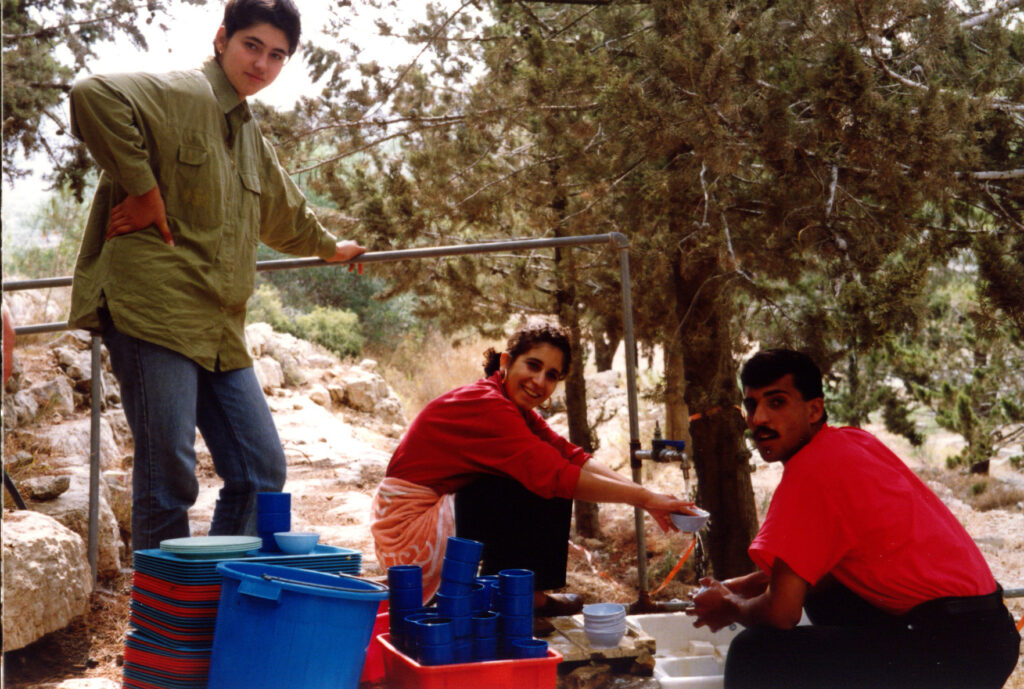
Our daily activities focused on supporting community development projects within the university. Working alongside local students and university staff, we contributed to improving infrastructure, maintaining facilities, and enhancing educational spaces. These tasks, while sometimes physically demanding, carried deep symbolic meaning. Each improvement, no matter how small, represented an act of resistance against stagnation and neglect imposed by external constraints. It was humbling to realise how much could be achieved through collective effort, cooperation, and determination.
One of the most impactful aspects of the workcamp was the opportunity to engage directly with Palestinian students. Many of them faced daily challenges that I had never previously experienced or even fully understood. Restrictions on movement, military checkpoints, uncertainty about the future, and limited access to resources were constant realities for them. Yet, despite these obstacles, their commitment to education was remarkable. Students spoke passionately about their studies, their ambitions, and their desire to contribute to their communities. Education, for them, was not merely a pathway to employment but a form of empowerment, resistance, and hope.
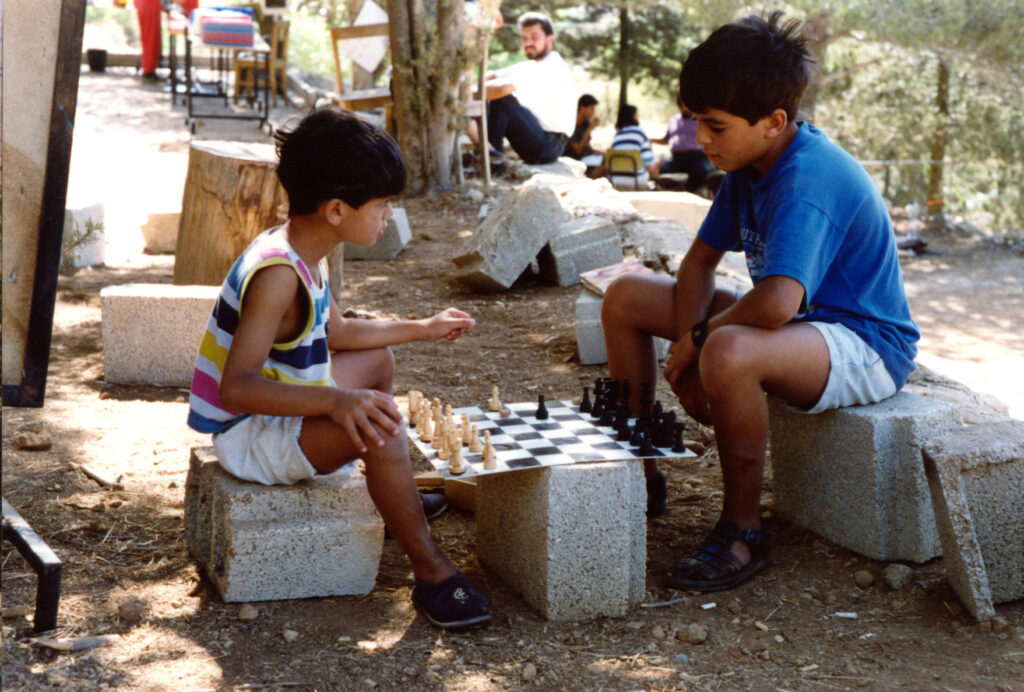
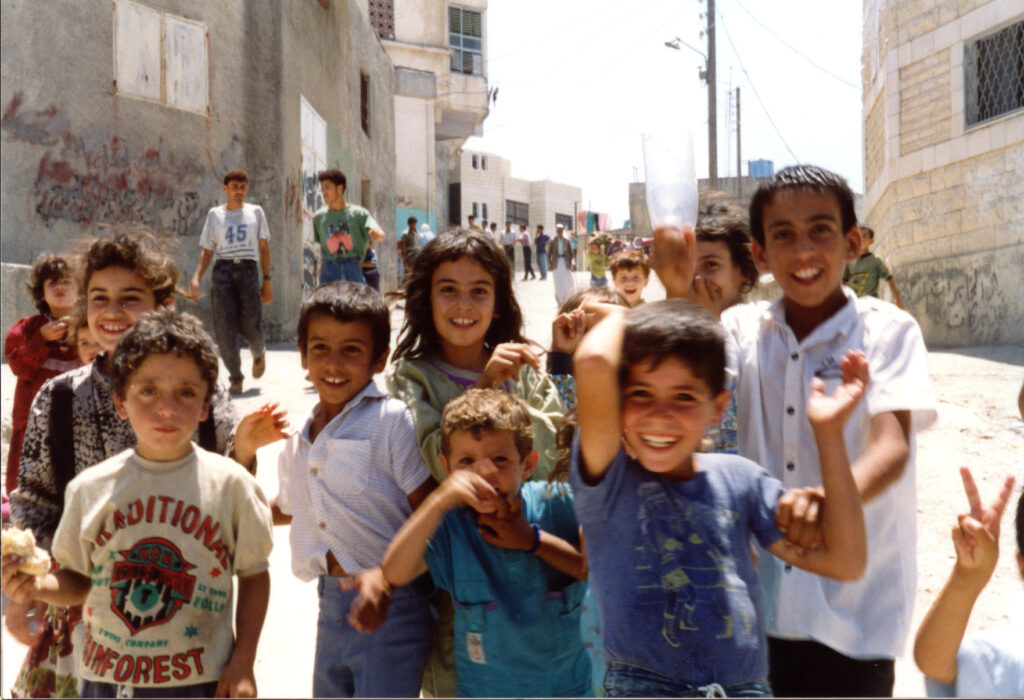
Cultural exchange was a central component of the workcamp experience. Through shared meals, discussions, music, and storytelling, we learned about Palestinian traditions, customs, and social values. Hospitality was deeply ingrained in every interaction. We were often invited to drink tea, share food, and participate in informal gatherings where laughter and conversation flowed freely. These moments provided a powerful counter-narrative to the often one-dimensional portrayals of Palestinian life seen in mainstream media. They revealed a society rich in culture, humour, warmth, and humanity.
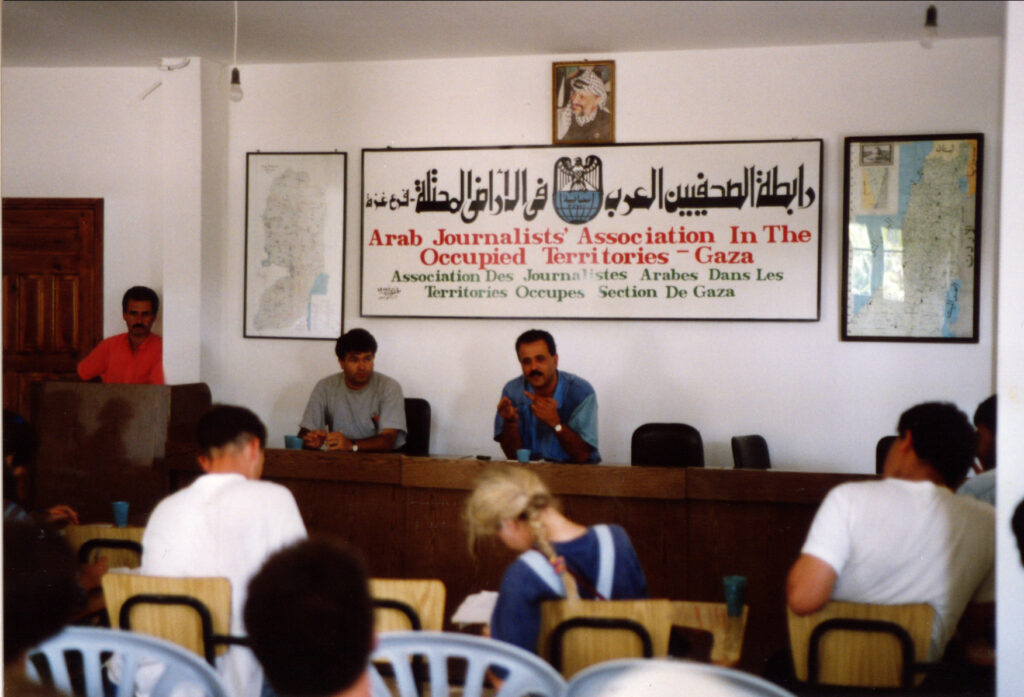
Equally important were the opportunities to learn about the broader political and historical context shaping life in the West Bank. Through discussions with students, lecturers, and community members, as well as visits to nearby towns and villages, I gained a deeper understanding of the occupation and its impact on everyday life. Hearing personal stories of loss, resilience, and perseverance was emotionally challenging, yet it reinforced the importance of bearing witness and sharing these experiences with others upon returning home. The workcamp was not about observing from a distance but about listening, learning, and standing in solidarity.
The sense of solidarity fostered during the workcamp was profound. Working side by side with Palestinians created a strong bond rooted in shared purpose and mutual respect. I was constantly reminded that international solidarity, when grounded in humility and genuine engagement, can be a powerful force. Rather than approaching the experience as someone who was “helping,” I came to understand it as a partnership built on exchange, cooperation, and learning. This shift in perspective was one of the most valuable lessons I took away from the experience.
Emotionally, the workcamp was both challenging and inspiring. There were moments of frustration and sadness as I confronted the injustices faced by the Palestinian people. At the same time, there were countless moments of joy, laughter, and hope. The resilience of the students and staff at Birzeit University left a lasting impression on me. Their ability to continue learning, teaching, and building community under such conditions was nothing short of inspiring.
On a personal level, the experience prompted deep reflection on my own values, privileges, and responsibilities. It challenged me to think critically about global inequality, the role of education in social change, and the importance of empathy and cross-cultural understanding. I returned from the workcamp with a renewed sense of purpose and a stronger commitment to engaging with global issues in a thoughtful and informed way.
The International Summer Workcamp at Birzeit University was far more than a volunteering programme; it was a powerful educational journey that reshaped my understanding of the Middle East and my place within a global community. The friendships formed, lessons learned, and stories shared continue to influence how I view the world today. It was an experience that left a lasting impact on me, reinforcing the belief that meaningful change begins with connection, understanding, and solidarity.
In reflecting on my time at Birzeit University, I am deeply grateful for the opportunity to have been part of such a meaningful initiative. The experience remains a defining chapter in my life, reminding me that even in the most challenging circumstances, education, community, and human connection can thrive.
