
Jerusalem is a city like no other, a place where history, religion, and modern life intersect in ways that are both humbling and exhilarating. Having visited Israel on several occasions, I experienced Jerusalem through different lenses: first as a volunteer on a kibbutz, then while working on the West Bank, and later as part of a longer journey traveling overland from Beirut to Cairo. Each visit offered a unique perspective on the city, its people, and the profound weight of its past, present, and future.
First Impressions from the Kibbutz
My first encounter with Jerusalem came during my time as a volunteer on a kibbutz. After weeks of early mornings and hard work in the fields, traveling to Jerusalem felt like stepping into a world that was simultaneously familiar and extraordinary. The contrast between the calm, rural life of the kibbutz and the bustling, historical, and spiritual energy of Jerusalem was striking.
Arriving in the city, I was immediately struck by its unique geography. Jerusalem sits perched among rolling hills, with ancient stone buildings that seem to blend seamlessly into the natural landscape. The city is divided into quarters, each with its own character: the Jewish Quarter, the Christian Quarter, the Muslim Quarter, and the Armenian Quarter. Wandering through these streets felt like moving through layers of history, each alley and archway telling a story that stretches back millennia.
The Old City: A Living Museum
The Old City of Jerusalem is perhaps the most iconic part of the city, a labyrinth of narrow streets, bustling markets, and sacred sites. Walking through the gates — whether Jaffa Gate, Damascus Gate, or Zion Gate — is an immersion into a living museum. Stone walls etched with centuries of history surround you, and every turn presents a new discovery.
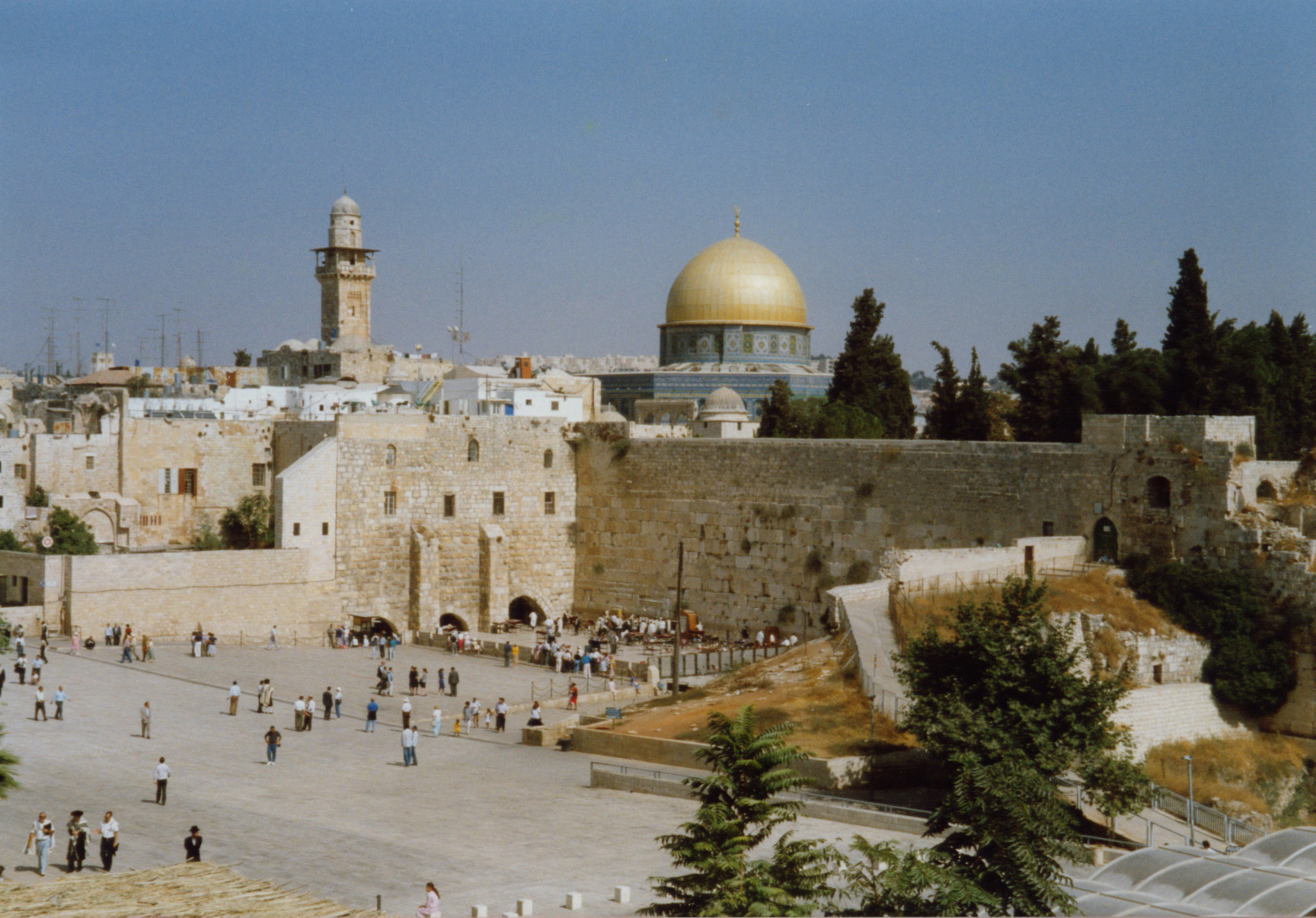
One of my first stops was the Western Wall, or Kotel. Approaching this sacred site, I was struck by the sheer devotion of those gathered there. Families, individuals, and groups prayed, leaving written notes tucked into the cracks of the wall. The atmosphere was deeply moving; it is impossible to be in the presence of such concentrated faith without feeling a profound respect for the human desire to connect with something greater than oneself.
Nearby, the Church of the Holy Sepulchre offered an entirely different but equally powerful experience. The Christian Quarter pulses with pilgrims from around the world, each here to witness the site believed to mark both the crucifixion and resurrection of Jesus Christ. The interior is a maze of chapels, stairways, and shrines, echoing with chants and prayers. Moving through it, I felt the weight of centuries of devotion, conflict, and restoration — a living testament to the city’s layered history.
Volunteering on the West Bank
During another visit, I spent time volunteering in the West Bank, which provided a broader perspective on the modern realities surrounding Jerusalem. The city is not only a historical and spiritual center but also a focal point of ongoing political and social complexities. Traveling through areas near Jerusalem and engaging with local communities offered insight into daily life amidst a backdrop of checkpoints, barriers, and contested spaces.
Despite these tensions, the resilience and warmth of the local population were remarkable. Families welcomed volunteers with open arms, sharing food, stories, and traditions. Markets were vibrant, filled with the scent of spices, fresh bread, and fruit. Children played in alleys and courtyards as if the surrounding political complexities were a distant concern, a testament to the enduring spirit of life in these communities.
Exploring the Markets and Streets
One of the most memorable aspects of Jerusalem is its markets. The souks of the Old City are alive with color, sound, and scent. Vendors call out their wares, from hand-woven textiles to intricate jewelry, spices, and fresh produce. The energy is intoxicating: haggling is expected, and every interaction feels like part of an ongoing story. Navigating through narrow streets lined with stone buildings and arches, I felt connected to generations of merchants who have done the same for centuries.
The juxtaposition of ancient and modern is also striking. Modern cafes and restaurants sit alongside centuries-old shops. People navigate the city with smartphones in hand while stepping over cobblestones that have felt the footsteps of countless generations. Jerusalem is a place where past and present coexist in a way that is tangible and immediate.
Religious Sites and Spiritual Reflection
Visiting Jerusalem as someone with respect for all faiths, I was struck by the coexistence of sacred spaces within walking distance. Beyond the Western Wall and the Church of the Holy Sepulchre, the Dome of the Rock and the Al-Aqsa Mosque are stunning examples of Islamic architecture and devotion. Standing at the edge of the Temple Mount, I felt the weight of centuries of history, faith, and tension converging in a single space.
Each visit to these religious sites brought different emotions — awe, reverence, and humility. The experience of observing daily prayers, rituals, and acts of devotion provided a reminder of the universality of spiritual practice and the deeply human desire for connection and meaning.
Journeying Through Time: Beirut to Cairo via Jerusalem
On a later journey from Beirut to Cairo, I passed through Jerusalem once more. This time, the visit was less about structured volunteering and more about exploration and reflection. Walking through the city, I noticed how perspectives shift with each visit. What once felt overwhelming and chaotic became deeply familiar; what once seemed purely historical now carried layers of personal memories and experiences.
The city felt alive with movement and stories. People from all over the world — tourists, pilgrims, locals, and workers — crossed paths daily. Cafes hummed with conversation, market stalls offered familiar scents and flavors, and the streets echoed with a mix of languages and accents. Observing the flow of life through this lens emphasized how Jerusalem is not only a historical and spiritual center but also a living, breathing city that continues to evolve.
Reflections on Multiple Visits
Experiencing Jerusalem on multiple occasions allowed me to see different facets of the city. From the perspective of a volunteer on a kibbutz, it was a place of wonder and learning, a city whose history inspires awe. From the vantage point of a volunteer working in the West Bank, it revealed the challenges and resilience of communities living under complex conditions. From the perspective of a traveler on a longer journey, it was a city of exploration, contemplation, and serendipitous encounters.
Each visit reinforced a central truth about Jerusalem: it is a city that cannot be understood in a single moment or through a single lens. Its streets, markets, and sacred sites are layered with history, culture, faith, and conflict, and engaging with it requires openness, curiosity, and respect.
A City That Leaves a Mark
What stays with me most about Jerusalem is the sense of living history. Walking along the same streets that countless others have walked, observing rituals that have been performed for centuries, and feeling the hum of daily life amidst sacred spaces creates a unique blend of the temporal and the eternal. The city challenges, inspires, and humbles.
Interactions with locals — whether sharing a meal, navigating a market, or discussing daily life — provided a human perspective that complemented the historical and spiritual dimensions. Jerusalem is not only a destination to see; it is a city to experience, to reflect on, and to return to with new insights each time.
Conclusion
Jerusalem remains one of the most remarkable cities I have ever visited. Across multiple trips — volunteering on a kibbutz, working on the West Bank, and traveling from Beirut to Cairo — the city offered layers of history, culture, faith, and human experience. From the ancient stones of the Old City to the vibrant markets, from sacred sites to modern streets, every aspect of Jerusalem leaves an impression.
It is a city that demands engagement, offering profound lessons for those willing to explore it fully. My experiences in Jerusalem, across different times and contexts, are a testament to its enduring power to inspire, challenge, and captivate anyone who steps into its streets. It is a place where past and present, sacred and mundane, converge, creating an unforgettable journey through one of the most historically and spiritually significant cities in the world.
