
Travel has a way of shaping perspective, of placing you within landscapes that carry stories far older than your own journey. Reaching the Khyber Pass in Pakistan was one of those experiences — a moment where geography, history, and personal adventure collided in a way that left an enduring impression. I had long imagined the Pass from the stories I had read: the corridor of empires, armies, traders, and travellers stretching back centuries, linking Central Asia with the Indian subcontinent. To arrive there in person was both awe-inspiring and humbling.
The Journey to the Frontier
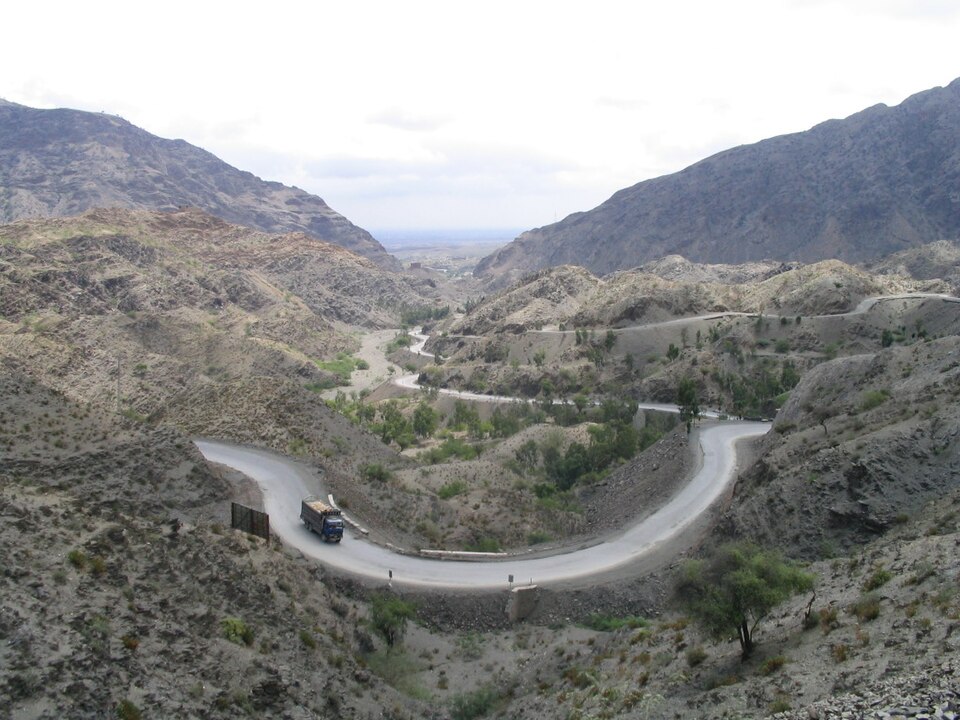
The journey to the Khyber Pass itself was an adventure in miniature. After spending time in Pakistan exploring cities and landscapes, the call of the frontier drew me northward, toward the rugged mountains that form the boundary between Pakistan and Afghanistan. The road twisted and turned through rocky valleys, sometimes narrow enough to make the passage feel perilous, with steep drops on one side and sheer cliffs on the other.
Driving along the route, I couldn’t help but think of the countless armies, caravans, and explorers who had passed this way over millennia. From Alexander the Great to the Mughal emperors, from British colonial forces to modern trade convoys, the Pass had witnessed the movement of people, ideas, and conflict. There was a palpable weight to the landscape — a sense that the rocks themselves had absorbed centuries of history.
Villages dotted the lower slopes, their houses built from stone and earth, blending seamlessly into the rugged terrain. People waved from the roadside or called out greetings, and for a moment, I felt connected to the daily life of the region, layered over the centuries of strategic importance that defined the Khyber Pass.
The First Glimpse
Arriving at the edge of the Pass, I caught my first glimpse of the steep, narrow corridor that had made this route both vital and dangerous for centuries. The mountains rose sharply on either side, craggy and imposing, their surfaces scarred by erosion and time. Between them, the path snaked forward, a natural funnel that had dictated the movement of armies and traders alike.
The sight was both intimidating and exhilarating. I felt the thrill of standing at a place where history and geography intersect in such a dramatic way. The sheer scale of the mountains, the narrowness of the pass, and the sense of exposure all combined to create a visceral awareness of the strategic significance of this landscape.
Walking Through History
I decided to explore on foot for part of the journey, moving along the edge of the road where possible. Each step brought me closer to imagining the countless feet, hooves, and wheels that had travelled this way before me. The rocks underfoot were sharp and uneven, the wind gusting through the narrow corridor carrying both dust and the faint scent of distant fires from villages below.
As I walked, I thought about the soldiers, traders, and travellers who had risked everything to traverse this passage. Ambushes were not uncommon in history, and even today, the region carries reminders of conflict and vigilance. Standing on the stony slopes, it was easy to understand why control of the Khyber Pass had been contested for centuries.
The villages and towns along the route were welcoming yet understated. Markets sold simple goods: dried fruit, textiles, and hand-crafted items that had changed little over generations. The locals were accustomed to visitors, yet there was a careful, watchful air — a recognition that outsiders passed through, sometimes for commerce, sometimes for adventure, sometimes for reasons less benign.
The Road Through the Mountains
Continuing along the road, I felt the landscape shift again. The path narrowed, the cliffs rose higher, and the views opened onto dramatic drops into valleys below. Driving through these sections required concentration; one wrong turn could send a vehicle over the edge. Yet this danger was part of the allure. The Pass was not just a physical journey, but a mental and emotional one — a test of awareness, focus, and courage.
Occasionally, I paused to take photographs, capturing the winding road, the rugged mountains, and the interplay of shadow and light on the rocky faces. The sunlight shifted constantly, revealing hidden contours and textures that made the mountains feel alive. From every angle, the Khyber Pass demanded attention, and rewarded it with a sense of awe.
Reflections on History
It was impossible to experience the Khyber Pass without contemplating its historical significance. Every rock and cliffside had seen the passage of empires. I imagined caravans laden with spices and silk, British colonial troops moving cautiously through the corridor, Afghan warriors defending their homeland, and countless travellers navigating the narrow path in search of safety or opportunity.
The stories of the Pass are both grand and personal — tales of conquest and commerce alongside human courage and endurance. Walking and driving through the region, I felt a connection to these layers of history, an awareness of my place as just one more traveller in a line stretching back centuries.
The Villages and People
The human element of the Khyber Pass was as striking as the geography. The villages were small but vibrant, with people going about daily life in ways that seemed timeless. Children played along the roadside, women tended to household tasks, and men gathered in small groups discussing local news or sharing tea.
Despite the passage of modernity, there was a strong sense of tradition and continuity. The locals were proud of their heritage, aware of the historical significance of their homes and surroundings. Conversations were often cautious but friendly, a reminder that while the region attracts tourists and travellers, it remains a place of life, work, and vigilance.
The Thrill of Reaching the Pass
Arriving at the central section of the Pass, where the corridor narrowed most dramatically, I felt a combination of exhilaration and reverence. The mountains rose steeply on either side, the road barely wide enough for two vehicles to pass, and the sense of exposure was tangible.
Standing there, I felt the weight of history and the thrill of adventure. This was a place that demanded respect — respect for the landscape, for the people, and for the centuries of stories embedded in every rock and slope. The Khyber Pass is more than a road; it is a living testament to endurance, strategy, and the passage of humanity through one of the most important natural corridors in the world.
Personal Reflection
Reaching the Khyber Pass was more than a geographical achievement; it was a moment of personal reflection. The journey through Pakistan, and the time spent navigating the mountains and roads of the Pass, reinforced the value of curiosity, courage, and patience. It was a reminder that travel is not just about sightseeing, but about engaging with history, culture, and landscape on a deeper level.
I thought about the countless individuals who had travelled this path before me — soldiers, traders, migrants, explorers — and felt a connection to their experience. The challenges they faced were tangible in the ruggedness of the terrain and the unpredictability of the road. The human stories embedded in the mountains and villages made every mile meaningful.
Conclusion
Reaching the Khyber Pass in Pakistan was a defining moment in my travels. It combined physical challenge, historical reflection, and cultural immersion in a way few places can. The mountains, narrow corridors, and rushing valleys created a sense of awe and perspective that lingered long after the journey ended.
The Pass reminded me that travel is not just about moving through space, but about moving through time — experiencing landscapes shaped by centuries of human endeavour and natural forces. The Khyber Pass is both a gateway and a teacher, showing the endurance of people, the drama of geography, and the enduring allure of adventure.
Leaving the Pass, I carried with me a renewed sense of wonder, respect, and humility. The mountains, villages, and stories of the Khyber Pass remain etched in memory, a testament to the power of place and the richness of human history intertwined with the natural world.
