
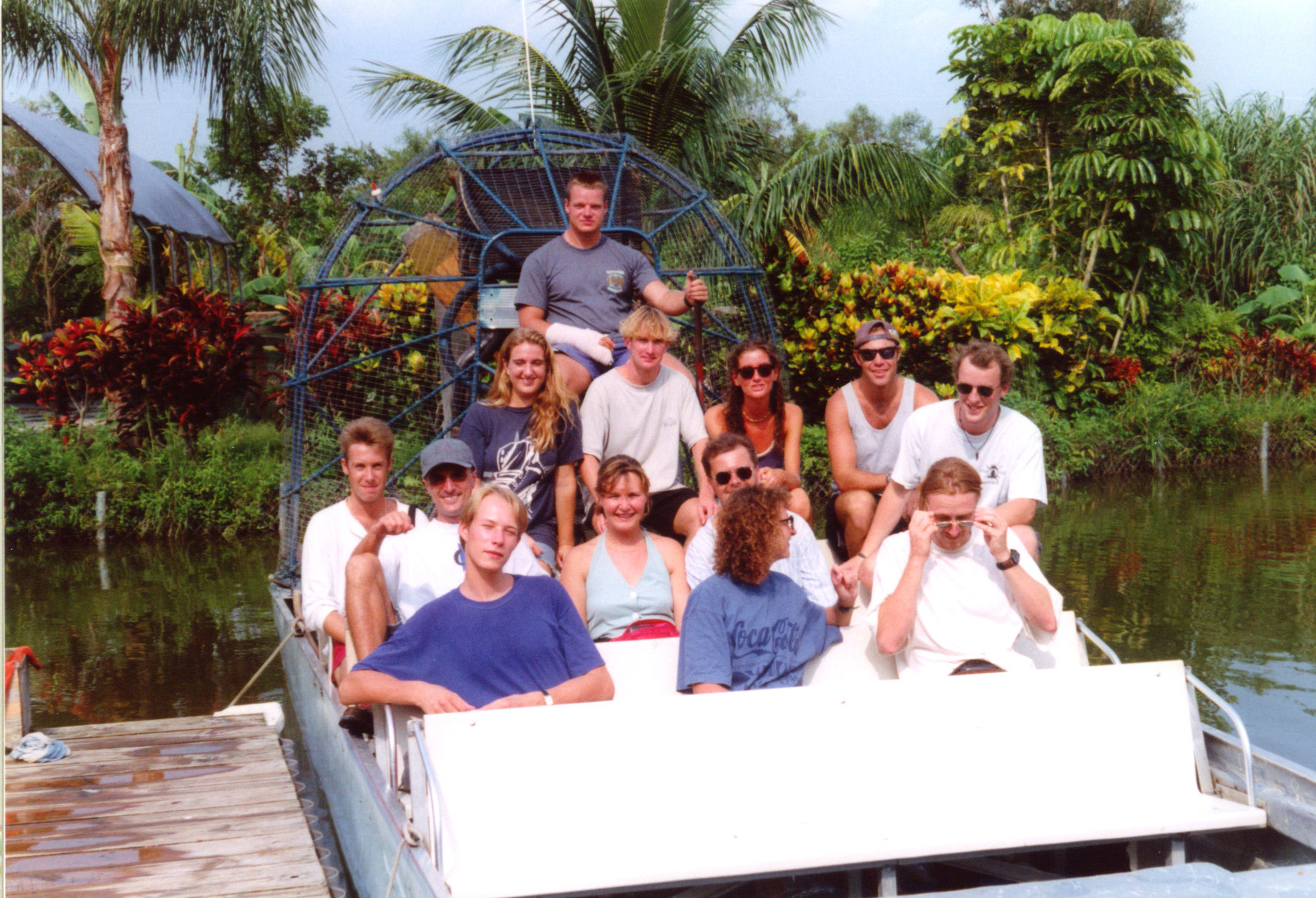
After a summer spent working at Camp America in North Carolina, surrounded by energy, responsibility, and the constant rhythm of camp life, I felt the familiar pull of freedom. The camp had been intense, structured, and full of activity — early mornings, organised tasks, and endless interactions with campers and fellow staff. By the time the program ended, I was exhausted, but in the best possible way: filled with a sense of achievement, camaraderie, and a curiosity about the wider world.
Rather than heading straight home, a few friends from the workcamp and I decided to extend our adventure. We rented a van, packed it with gear and enthusiasm, and set out on a tour of the United States. It was spontaneous, chaotic, and liberating. We had no rigid itinerary — only a rough sense of the states we wanted to see and the experiences we wanted to have. From the mountains and forests of the east coast to the sprawling cities and natural wonders further south, each stop promised something new.
Florida became one of the highlights of that trip. For me, it was a place that contrasted sharply with the mountains of North Carolina and the forests of our summer camp. Palm trees replaced pines, the heat was heavy, and the landscape seemed designed for adventure. While Florida is famous for its theme parks and beaches, what drew me in on this visit was something quieter but no less thrilling: the Everglades.
First Impressions of the Everglades
Driving toward the Everglades, the scenery changed subtly but unmistakably. The dense suburban sprawl gave way to open marshes, wetlands, and winding waterways. The air smelled different here — humid, earthy, tinged with salt from the Gulf of Mexico. It felt wilder, untouched in a way that was both inviting and slightly intimidating.
When we arrived at the airboat dock, I was struck by the size and strangeness of the craft. Flat-bottomed, wide, with a huge, exposed propeller mounted on the back, the airboat looked more like an experimental machine than a conventional boat. It promised speed, thrill, and a way to experience a landscape that traditional boats couldn’t navigate.
The Everglades themselves were vast and alive, but their activity is often subtle. From the dock, the water seemed calm, almost placid, dotted with patches of sawgrass and reeds. But anyone familiar with wetlands knows better: beneath the surface, life thrived. Fish, alligators, turtles, and a multitude of birds moved in patterns often invisible to the casual observer. The Everglades were like a living puzzle, intricate and ever-changing.
Boarding the Airboat
Climbing into the airboat was an adventure in itself. The platform rocked slightly as we settled in, the propeller looming above like a promise of speed. Our guide gave a brief rundown of the safety procedures, the throttle, and the steering. There was a sense of reassurance, but also a rawness — nothing here felt overly manufactured or polished. It was just us, the boat, and the wild expanse ahead.
Once the engine started, everything changed. The roar was immediate, deep, and visceral. Vibrations traveled through the frame of the boat and into our bodies. For a moment, the calm of the marsh contrasted sharply with the sudden power at our command.
As we lifted off the dock, the airboat skimmed across the shallow waters of the Everglades, moving effortlessly over reeds and water plants that would have stopped a conventional boat. The sensation was unlike anything else I had experienced: part speed, part gliding, and part wild unpredictability. It was exhilarating in a way that was physical and emotional all at once.
Speed and Adrenaline
The airboat seemed to respond to thought rather than force. Every twist of the wheel, every adjustment to the throttle, sent a ripple of acceleration or turn through the water. We skimmed over the marshes, sometimes rising slightly on shallow ridges, sometimes cutting through narrow channels that felt like hidden passages in a vast, watery maze.
The sound was overwhelming — the roar of the engine, the spray of water against the hull, the wind whipping past. It demanded attention, presence, and coordination. Unlike driving a car or riding a bicycle, the Everglades required respect. Every choice of direction mattered because the terrain could shift suddenly, with hidden patches of shallow water, submerged plants, or wildlife.
From the deck of the airboat, the Everglades revealed themselves differently than from the shore. The low-lying sawgrass created rolling waves of green, punctuated by water channels that reflected the sky like mirrors. Birds lifted in unison as we passed, startled by the sudden intrusion but moving with an elegant precision that highlighted the ecosystem’s subtle complexity.
Wildlife Encounters
Part of the thrill of the airboat ride was the wildlife. From the boat, we spotted herons and egrets standing motionless in the shallows, occasionally taking off in startled flight. In the distance, the unmistakable shapes of alligators basked on mud banks, partially hidden by grass. Seeing them up close, yet from a safe distance, made me appreciate the Everglades’ rawness and vitality.
The guide explained how alligators, turtles, and fish interact with the landscape, emphasizing that the Everglades are a finely balanced ecosystem. Even as we sped across the water, it was impossible not to notice the care needed to navigate without disturbing this balance.
Reflection on the Experience
What struck me most was how different the Everglades felt compared to our previous stops on the road trip. North Carolina had been about structure and communal work during camp. The road trip itself was about freedom, spontaneity, and exploration. Florida added another dimension: adventure, risk, and the raw immediacy of nature.
Piloting the airboat felt empowering. Despite being a guest in the landscape, I was entrusted with the control of a powerful machine. I had to be present, reactive, and aware — not just of the boat, but of the water, wildlife, and subtle changes in the marsh. There was no room for distraction or complacency.
At the same time, the experience was freeing. Skimming across the water, the wind in my face, the roar of the engine behind me, there was a sense of pure exhilaration. It was a release from the fatigue of the summer camp, the planning of the road trip, and the constant motion of travel. For a few hours, there was only the Everglades, the airboat, and the rhythm of movement.
Shared Adventure
One of the most memorable aspects of the ride was sharing it with friends. We had spent weeks together in North Carolina, learning teamwork, problem-solving, and patience. Now, we were navigating a completely different kind of challenge. Laughter, surprise, and occasional shouts punctuated the ride. Everyone reacted differently to the speed, the spray of water, and the sheer unpredictability of the marsh.
These shared moments — pointing out wildlife, joking about missed turns, marveling at the vastness — reinforced the camaraderie we had built at camp. The Everglades offered a chance to bond in a way that was less structured, more spontaneous, and profoundly immersive.
Returning to Shore
Eventually, the ride came to an end. As we slowed and returned to the dock, the roar of the engine faded into the quiet of the marsh. The contrast between the adrenaline of the ride and the stillness of the environment was striking. The Everglades, in all their complexity, felt even larger and more mysterious now.
Stepping out of the airboat, I felt a deep sense of satisfaction. It was a combination of achievement, relief, and awe. Unlike the structured accomplishments of camp or the improvised adventures of the road trip, this experience had demanded presence, attention, and respect. It was a perfect reminder that adventure comes in many forms — physical, emotional, and intellectual.
Reflection on Florida and the Journey
Looking back, the airboat ride was a defining moment of our tour of the United States. Florida had been more than beaches and theme parks; it had offered a taste of raw nature, challenge, and freedom. The Everglades, with their vastness, wildlife, and unpredictability, reminded me that travel is about more than sightseeing. It is about immersion, awareness, and connection — with people, with places, and with oneself.
The road trip, starting from North Carolina and winding southward, had been a journey of discovery. Each stop built on the last, and the Everglades provided a unique and unforgettable climax. Piloting the airboat, skimming across marshes, encountering wildlife, and feeling the open water beneath me gave a sense of autonomy and exhilaration that few other experiences could match.
Conclusion
The Everglades airboat adventure in Florida was more than a ride; it was a culmination of weeks of travel, friendship, and exploration. It captured the spirit of spontaneity that had defined our post-camp journey, the thrill of adventure that comes from stepping into the unknown, and the quiet satisfaction of connecting with a unique and fragile ecosystem.
Even now, decades later, I remember the roar of the engine, the spray of water, the sight of birds lifting in surprise, and the boundless expanse of marsh stretching toward the horizon. It was a reminder that some moments, brief though they may be, leave an enduring imprint — a mixture of excitement, awe, and gratitude that defines the best of travel.
