
The Annapurna Circuit trek in Nepal is widely regarded as one of the most spectacular trekking experiences in the world, and completing it was a life-changing journey that tested my physical endurance, mental resilience, and appreciation for the natural and cultural beauty of the Himalayas. The trek took me through a remarkable variety of landscapes, from lush, verdant valleys and terraced farmland to arid, high-altitude deserts surrounded by some of the tallest peaks on the planet. Along the way, I encountered traditional villages, crossed swaying suspension bridges, navigated challenging mountain passes, and witnessed the diversity of Nepalese culture, all of which contributed to an adventure that was as mentally and spiritually rewarding as it was physically demanding.
I began the trek with a sense of anticipation and excitement, aware that the Annapurna Circuit would be a true test of endurance. The early days took me through lower elevations, where the environment was warmer, vegetation was dense, and the valleys were alive with farming activity. The trail wound alongside rivers, through lush forests, and past traditional stone-and-mud homes. It was in these early stages that I became attuned to the rhythm of life in the mountains, observing villagers tending their fields, children playing along the riverbanks, and the unmistakable sound of prayer flags fluttering in the wind. The welcoming nature of the locals and the simplicity of life in these remote regions added an immediate sense of connection to the landscape.
As the trek progressed, the terrain gradually became more rugged and the climate more variable. Crossing suspension bridges over rushing rivers, navigating narrow trails along steep cliff sides, and ascending switchbacks tested both physical strength and mental focus. Each day required careful pacing, maintaining hydration and energy, and managing the fatigue that inevitably accumulated. The constant changes in altitude and environment meant that no two days were alike: one morning might begin in dense jungle and tropical humidity, while the next could see me climbing through rocky terrain under a crisp mountain sun. The diversity of landscapes along the Annapurna Circuit was extraordinary and constantly kept me engaged, both visually and mentally.
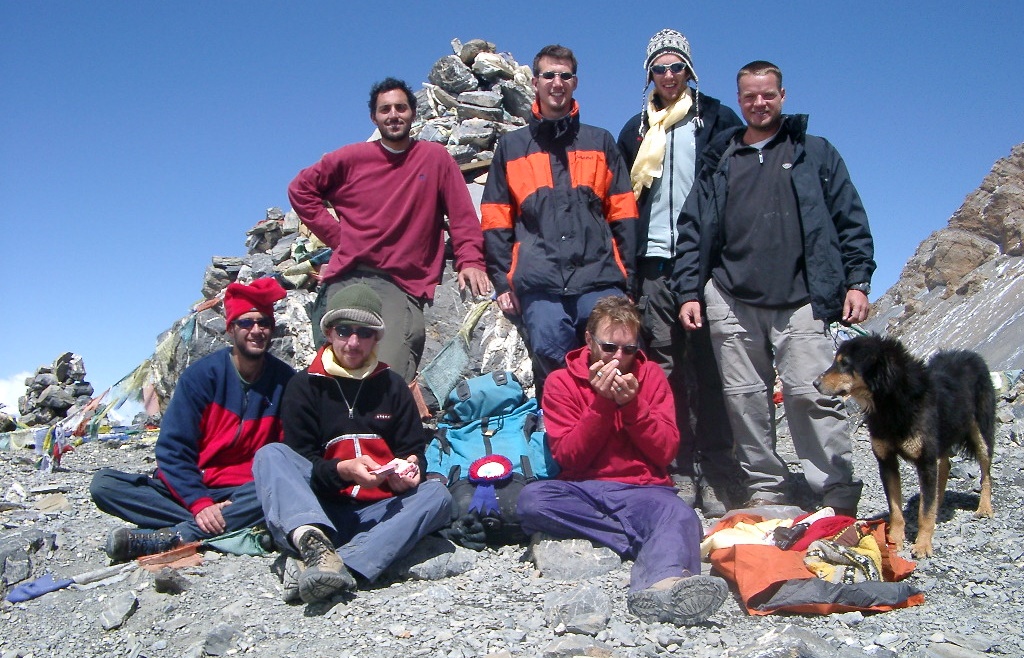
One of the most significant physical challenges of the Annapurna Circuit is the crossing of high mountain passes. The trek reaches altitudes exceeding 5,400 meters at Thorong La Pass, where the air is thin and the terrain can be harsh. Preparing for and navigating these high elevations tested every aspect of physical fitness and mental fortitude. Cold temperatures, strong winds, and steep inclines demanded careful pacing and constant attention to signs of altitude sickness. Despite the difficulty, the reward was unparalleled: standing atop these passes, surrounded by jagged peaks and expansive vistas, evoked a profound sense of awe and humility. The effort required to reach these heights made every panoramic view and snow-capped summit all the more meaningful.
The Annapurna mountain range itself was a constant presence throughout the trek, forming a dramatic backdrop to every valley, ridge, and village. The sheer scale of peaks such as Annapurna I, Machapuchare (Fishtail), and Dhaulagiri created moments of intense wonder. The interplay of sunlight and shadow across glaciers and ridges, the sparkling rivers that cut through valleys, and the ever-changing weather patterns created a dynamic and immersive environment. Photography and observation became essential activities, as I sought to capture the beauty of these landscapes and commit them to memory.
Along the trail, I also encountered trekkers from all over the world, each with their own motivations, experiences, and stories. Sharing the trail created opportunities for camaraderie and mutual encouragement. On particularly challenging days, support from fellow trekkers became invaluable. Sharing meals in teahouses, exchanging stories, and celebrating milestones together fostered a sense of community and reminded me that even in the remote Himalayas, human connection is a source of strength. Many of these interactions continue to resonate, long after the trek was completed.
Cultural experiences were interwoven with the physical challenges of the trek. The Annapurna Circuit passes through regions inhabited by Gurung, Thakali, and other ethnic groups, each with unique customs, festivals, and daily practices. Visiting monasteries, observing local rituals, and learning about traditional architecture added depth to the journey. Staying in teahouses run by local families provided insight into how these communities adapt to life in the high mountains, and offered opportunities to enjoy local cuisine, including dal bhat, momo dumplings, and butter tea. These cultural encounters were as enriching as the natural scenery and added a meaningful layer to the trekking experience.
The physical demands of the Annapurna Circuit cannot be overstated. Daily distances often exceeded 15 kilometers, with steep ascents and descents that tested leg strength, endurance, and balance. The variable terrain, from muddy trails to rocky paths, required constant attention and care. At higher elevations, the reduced oxygen levels meant that even short climbs felt strenuous. Trekking in these conditions demanded discipline, resilience, and mental focus, and every summit or high pass crossed brought a sense of accomplishment that made the fatigue worthwhile.
Weather conditions added an unpredictable element to the trek. Sun, wind, rain, snow, and fog could all occur in a single day, requiring adaptability and preparation. Proper layering, careful packing, and an understanding of the terrain were crucial. Nights at higher elevations were particularly cold, making rest both necessary and challenging. Despite these hardships, the changing weather enhanced the beauty of the circuit, casting mountains in dramatic light, veiling valleys in mist, and highlighting the rugged majesty of the region.
Reaching the final stages of the circuit, I felt a profound sense of achievement. Completing the loop required not just physical stamina, but endurance of spirit. Looking back on the journey, I was able to appreciate the diversity of landscapes I had crossed, the cultural richness of the communities I had visited, and the personal growth I had undergone. The Annapurna Circuit was more than a trek; it was a holistic adventure that combined challenge, beauty, learning, and self-discovery.
Completing the trek left an enduring impact. I returned from the Annapurna Circuit with not only memories of breathtaking scenery and challenging climbs, but also a greater understanding of resilience, perseverance, and the importance of connecting with people and cultures different from my own. The trek fostered a deep respect for nature and its raw, untamed beauty, as well as for the communities who have lived in harmony with these mountains for centuries. Physically and mentally, I emerged stronger, more patient, and more appreciative of both effort and reward.
In conclusion, the Annapurna Circuit trek was an extraordinary journey of exploration, challenge, and personal growth. Exiting Nepal to travel to India mid-way added a unique dimension to the experience, providing perspective and rejuvenation before returning to conquer the remainder of the circuit. Trekking through diverse landscapes, crossing high passes, navigating rugged terrain, and interacting with local communities created a multi-faceted adventure that tested every facet of endurance. Standing in the shadow of the Annapurna range, reflecting on the weeks of trekking, I felt a deep sense of accomplishment, awe, and gratitude. This trek was more than a physical journey; it was an adventure that enriched my life, broadened my perspective, and left memories that will last a lifetime.
