
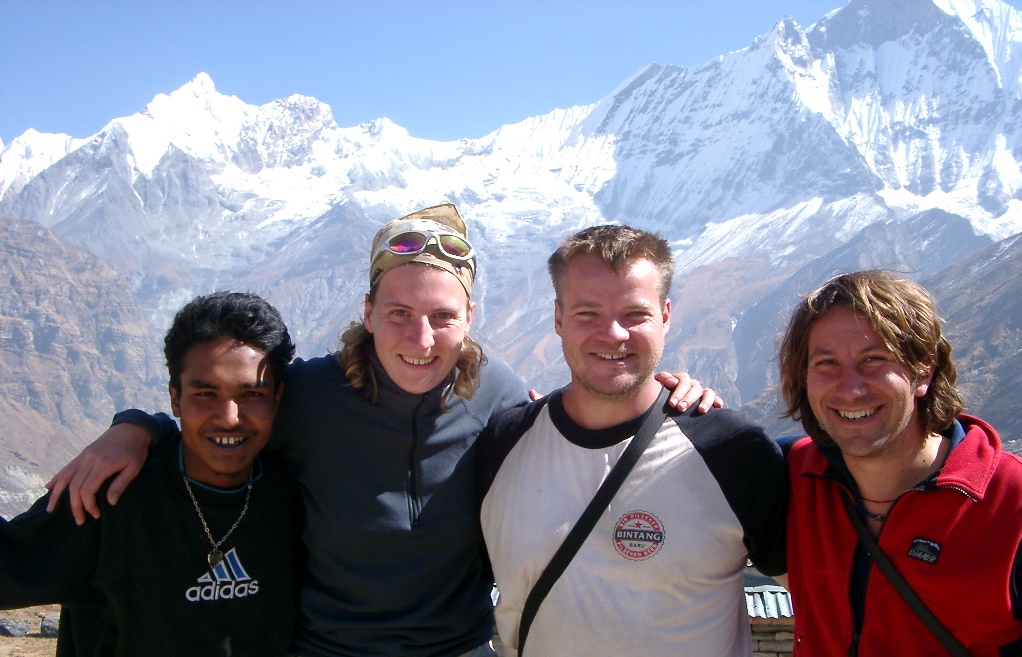
Completing the Annapurna Base Camp (ABC) trek in Nepal was nothing short of a life-changing experience. From the very moment I arrived in the bustling city of Pokhara, the journey promised adventure, challenge, and breathtaking natural beauty. Over the course of several days, I would traverse landscapes that shifted dramatically—from lush subtropical forests and terraced rice fields to rugged high-altitude paths flanked by towering Himalayan peaks. Every step along the way was a mixture of exhilaration, exhaustion, and awe, and reaching the Base Camp itself was a culmination of both physical endurance and emotional resilience.
The trek officially began with a drive from Pokhara to Nayapul, where the trailhead welcomed me into the Annapurna region. Almost immediately, I was struck by the striking contrast between the valley’s serene rivers, green hills, and the distant snow-capped peaks that seemed impossibly high. The first few days involved gentle ascents through rhododendron forests and small villages, where I encountered local Nepali culture at its most authentic. Stone and mud houses lined the narrow paths, and villagers greeted trekkers with warm smiles and nods of encouragement. The simplicity and kindness of daily life in these remote settlements were inspiring, reminding me that the region’s strength lies not only in its mountains but also in its people.
As the trek progressed, the terrain became increasingly challenging. Steep climbs, rocky paths, and uneven steps tested my physical stamina, while the thin mountain air reminded me constantly of the importance of pacing and hydration. Each day required careful planning—balancing exertion with rest, maintaining nutrition, and adapting to rapidly changing weather conditions. Snow, rain, and wind became constant companions, adding both beauty and difficulty to the journey. Despite these challenges, the landscape offered continuous rewards: cascading waterfalls, dense forests, panoramic views of terraced fields, and glimpses of wildlife along the trail.
One of the most memorable aspects of the Annapurna Base Camp trek was the opportunity to immerse myself in local culture. I stayed in teahouses along the trail, modest lodges run by families who welcomed trekkers with warmth and generosity. Here, I shared meals of dal bhat (lentil soup with rice), momos (Nepali dumplings), and local tea with fellow trekkers and locals alike. Conversations often ranged from the history of the Annapurna region to tales of the mountains themselves, offering insight into the traditions and beliefs of the communities that have thrived in these remote highlands for generations. These exchanges added a personal and cultural dimension to the trek that made the journey far richer than simply traversing miles on foot.
The higher I ascended, the more dramatic the scenery became. The air grew thinner, and the daily climbs required ever more focus and determination. As I approached Machapuchare Base Camp and further towards Annapurna Base Camp, I was greeted by a breathtaking panorama of some of the highest peaks in the world. Annapurna I, Machapuchare (Fishtail), and Hiunchuli loomed over the valleys below, their snow-clad summits glinting in the sun. The sheer scale of these mountains, combined with the isolation of the paths that led to them, evoked a sense of awe that words struggle to capture. Every turn in the trail offered a new perspective, and every clearing revealed vistas that seemed almost otherworldly.
Reaching Annapurna Base Camp itself was the culmination of this arduous journey. As I stepped onto the rocky plateau, surrounded by towering Himalayan giants, I felt an overwhelming mix of accomplishment, humility, and serenity. The peaks formed a natural amphitheater, enclosing the base camp in a breathtaking circle of white and gray. It was impossible not to reflect on the journey that had brought me here—the early mornings, the long hours on steep paths, the moments of doubt, and the small victories along the way. Standing at the foot of these mountains, I experienced a profound connection with nature, a deep appreciation for its power and majesty, and a sense of personal triumph.
The physical challenge of the trek cannot be overstated. Daily distances varied from 10 to 20 kilometers, often with significant elevation gains. My legs, back, and lungs were tested in ways that were entirely new, and fatigue became a familiar companion. Yet the challenges also highlighted the importance of perseverance, resilience, and mental focus. I learned to break the trek into manageable sections, celebrating small milestones along the way and drawing motivation from the stunning surroundings. The ABC trek was as much a mental journey as a physical one, teaching lessons about patience, self-reliance, and determination.
Equally unforgettable were the moments of connection with fellow trekkers. The trail brought together people from all over the world, united by a shared goal and a love of adventure. Friendships were formed over shared meals, rest stops, and evenings spent in teahouses, discussing each day’s challenges and marvels. These connections added camaraderie to the trek and reminded me that even in remote and rugged landscapes, human bonds remain a source of strength and joy.
The descent from Annapurna Base Camp offered its own rewards. While physically easier, it allowed time for reflection and appreciation of the journey as a whole. The landscapes I had crossed on the way up—forests, villages, rivers, and valleys—took on new significance as I retraced the path. I noticed details I had missed on the ascent: children playing in the streams, farmers tending their fields, and the intricate stonework of village homes. The journey down reinforced a sense of gratitude—for the land, for the people, and for the personal growth that the trek had inspired.
Completing the Annapurna Base Camp trek was more than reaching a destination; it was a holistic experience encompassing adventure, challenge, cultural immersion, and self-discovery. It demanded physical endurance, mental resilience, and adaptability, but it also offered unparalleled beauty, moments of serenity, and profound personal satisfaction. The memories of towering peaks, quiet villages, and shared laughter with fellow trekkers are etched in my mind forever.
This trek left an enduring impact. Beyond the physical accomplishment, it fostered a deeper appreciation for nature, humility in the face of vast landscapes, and insight into the diverse cultures that inhabit high-altitude regions. It also reinforced the importance of preparation, perseverance, and the willingness to embrace discomfort for the sake of growth. Completing the Annapurna Base Camp trek was not simply about standing at the foot of a mountain; it was about the journey, the lessons learned along the way, and the sense of accomplishment that comes from overcoming both physical and mental challenges in a spectacularly beautiful setting.
In hindsight, the ABC trek remains one of the most rewarding and transformative experiences of my life. It was a journey that pushed boundaries, fostered connections, and allowed me to witness some of the most breathtaking landscapes on Earth. Every step along the trail was a lesson in endurance, every encounter a lesson in humility, and every view a reminder of the awe-inspiring beauty of the Himalayas. The trek was demanding, at times exhausting, and yet endlessly rewarding, leaving me with a profound sense of achievement and memories that will last a lifetime.
