
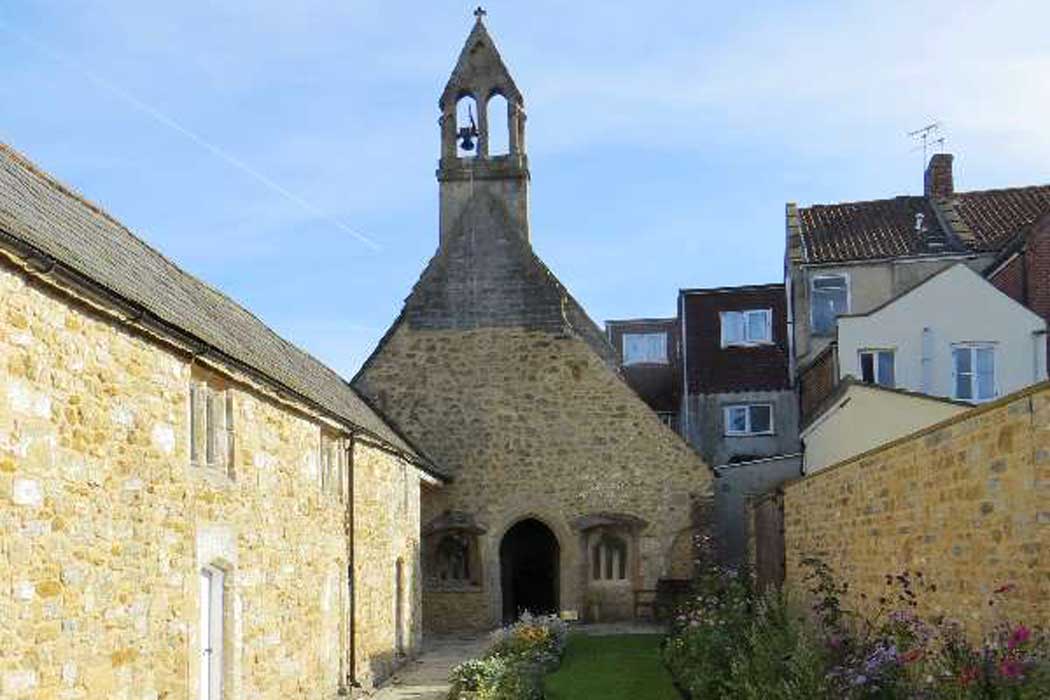
Glastonbury is a town renowned for its layers of myth, spirituality, and centuries-old stories. It is a place where Christian tradition intertwines with pagan folklore, where pilgrims walk ancient paths, and where history feels very much alive in every corner of the town. Among its many quiet treasures lies one of its most evocative and soulful sites: St. Margaret’s Chapel & Magdalene Almshouses.
Often overlooked in favour of the more famous Glastonbury Abbey ruins or the iconic Tor, St. Margaret’s Chapel & the adjoining almshouses form a deeply peaceful enclave steeped in medieval faith, charity, and architectural charm. Their serene atmosphere offers a profound contrast to the busier streets of the town. For many visitors, it becomes one of the most emotionally touching places they experience in Glastonbury.
This article explores the chapel’s history, architecture, spiritual significance, and its role in Glastonbury’s community over the centuries—delivered in over 1,000 words to provide a full and immersive appreciation of this remarkable historic site.
A Hidden Gem with a Remarkable History
St. Margaret’s Chapel dates back to the early 1300s, making it one of the oldest surviving buildings in Glastonbury. It formed the spiritual heart of the Magdalene Almshouses, a charitable institution established to provide housing for the poor, elderly, or infirm—people who had nowhere else to go and often no families to care for them.
The almshouses were founded by the Abbey and operated under its guidance, which was not uncommon in medieval England. Monasteries played a vital role as centres of charity, education, healthcare, and social support long before such responsibilities passed to the state.
Dedicated to St. Margaret of Antioch
The chapel’s dedication to St. Margaret—a medieval patron saint associated with protection, childbirth, and overcoming adversity—feels particularly fitting. St. Margaret symbolised endurance and hope, virtues that aligned with the charitable mission of the almshouses.
Architecture That Speaks Through Simplicity
Unlike the soaring architecture of Glastonbury Abbey, St. Margaret’s Chapel is humble, modest, and beautifully simple. It was never designed for grand liturgical ceremonies; instead, it offered spiritual comfort to the residents of the almshouses.
Exterior
The small stone structure reflects traditional medieval building techniques:
- thick, weathered stone walls
- a steeply pitched roof
- simple lancet windows
- a stone-arched entrance
- delicate carvings that have softened with age
The chapel and courtyard feel wonderfully preserved without feeling overly restored. Much of the atmosphere arises from this authenticity.
Interior
Stepping inside the chapel is often described as entering a sanctuary of profound stillness. The interior features:
- an exposed timber roof
- stone floors polished by centuries of footsteps
- a small altar
- simple wooden seating
- gentle natural light filtering through narrow windows
There is no elaborate ornamentation and no overwhelming religious imagery. The simplicity itself becomes the chapel’s greatest beauty.
Visitors often comment on the sense of timelessness inside. Whether religious or not, many feel a sense of peace, reflection, and quiet introspection take over—as if the chapel absorbs and softens the noise of the world outside.
The Magdalene Almshouses — A Medieval Vision of Compassion
The almshouses form a long, low row of stone-built dwellings surrounding a small central courtyard filled with flowers, herbs, and benches. Their architecture remains faithful to their medieval origins, though restored over the centuries.
A Home for the Vulnerable
Originally, each almshouse consisted of:
- a single living space
- a sleeping area
- a fireplace
- simple furnishings of wood and wool
Residents were expected to follow certain rules, which often included:
- attending daily prayers in the chapel
- maintaining good behaviour
- helping with community chores when able
The goal of the almshouses was not simply to house people but to give them dignity, stability, and a sense of belonging.
Later History
After the dissolution of Glastonbury Abbey in 1539, the almshouses passed into secular control. Over the centuries, they were repaired, rebuilt, and expanded several times. In the 19th century, the almshouses were refurbished to provide slightly more comfortable accommodations, while still maintaining their historic structure.
Today, they are primarily preserved as a heritage site, though they continue to symbolise the spirit of compassion and community that defined medieval charity.
A Sacred Atmosphere That Transcends Time
What sets St. Margaret’s Chapel apart from many medieval religious buildings is its emotional resonance. It is small, quiet, and intimate—qualities that allow visitors to connect more personally with the past.
A Place of Healing
Modern visitors often describe the chapel as a place of:
- healing
- grounding
- meditation
- prayer
- emotional release
Its name and history give it an association with suffering and resilience, and many people find comfort in the idea that for centuries, this place offered sanctuary to those who had very little.
It is not uncommon to see flowers, candles, and handwritten notes left on or near the altar. Some visitors come with personal intentions, saying a prayer for a loved one or simply sitting in silence.
Interfaith Welcome
In keeping with Glastonbury’s diverse spiritual landscape, the chapel welcomes people of all faiths and traditions. It remains a Christian space, but it is open to anyone seeking peace, reflection, or inspiration.
Gardens and Grounds — A Courtyard of Tranquillity
The gardens surrounding the chapel are one of its most charming features. Carefully tended and filled with:
- lavender, roses, and cottage flowers
- herbs historically used by monastic communities
- stone benches
- shaded corners for quiet contemplation
- climbing plants that soften the stone walls
The courtyard garden feels like a living continuation of the chapel’s spirit. Birds flit between the shrubs, bees hum across the blossoms, and the gentle breeze carries the scent of herbs through the space.
Visitors often linger here long after exploring the chapel itself. It is a rare pocket of tranquillity within the town—a perfect place for reading, meditating, sketching, or simply soaking in the atmosphere.
The Role of the Site in Glastonbury’s Spiritual Landscape
Glastonbury is known for its diverse spiritual traditions—Christian, pagan, goddess spirituality, new age, and more. St. Margaret’s Chapel & Magdalene Almshouses sit at a crossroads between these traditions.
Christian Roots
As a medieval charity site linked to the abbey, the chapel carries deep Christian heritage. Pilgrims visiting Glastonbury Abbey often include the chapel on their itinerary, seeing it as part of the larger sacred geography of the town.
A Space for All
The chapel’s simplicity allows people of different beliefs to connect with it. Its peaceful atmosphere makes it a favourite among:
- meditators
- spiritual seekers
- artists
- historians
- travellers looking for a quieter, more reflective experience
It is one of the few places in Glastonbury where the layers of spirituality blend beautifully without conflict.
Preservation and Modern Use
St. Margaret’s Chapel and the almshouses are today managed by local heritage organisations committed to maintaining their historic integrity. The buildings are protected, the gardens maintained, and the interiors preserved for future generations.
Events and Community Use
The chapel occasionally hosts:
- quiet services
- small gatherings
- spiritual events
- reflective workshops
- music performances (acoustic only)
These events maintain the site’s original purpose as a place of community and spiritual nourishment.
Why St. Margaret’s Chapel Matters
In a town filled with legendary landmarks and energetic tourism, St. Margaret’s Chapel & Magdalene Almshouses offer something uniquely precious: stillness.
They remind us that history is not only found in grand structures or dramatic ruins. Sometimes it resides in small, quiet buildings where ordinary people lived humble lives, where charity and compassion shaped community, and where spirituality was expressed through simplicity rather than spectacle.
This site is a testament to humanity’s enduring need for shelter, dignity, and spiritual peace.
For visitors to Glastonbury, it offers a place to breathe deeply, slow down, and connect with the quieter truths of life—making it one of the most meaningful and memorable places in the town.
