
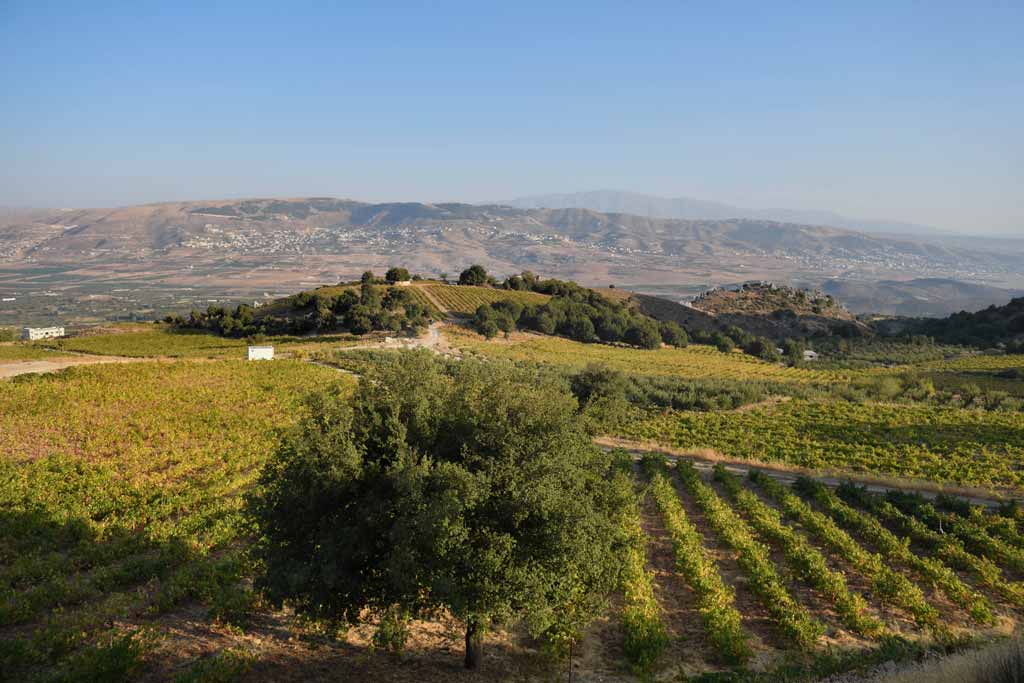
Tucked away in the scenic landscapes of Lebanon, Kherbet Qanafar is a small yet captivating village that embodies the essence of traditional Lebanese rural life. While it may not be as well-known as Lebanon’s bustling cities or popular tourist destinations, Kherbet Qanafar offers visitors and researchers a window into the country’s rich agricultural heritage, close-knit communities, and enduring cultural traditions. Nestled among rolling hills and fertile plains, this village exemplifies the charm, simplicity, and resilience of Lebanon’s countryside.
The Landscape and Geography
Kherbet Qanafar is situated in a region characterized by hills, valleys, and fertile farmland, making it ideal for agriculture, which forms the backbone of the village’s economy. The surrounding terrain offers picturesque views, with green fields stretching toward the horizon and patches of forests or natural vegetation adding to the rural beauty. Seasonal changes bring dramatic transformations: the village is awash with colorful wildflowers in spring, lush greenery in summer, golden hues during autumn, and a serene, tranquil atmosphere in winter.
The village’s geographical location provides both natural beauty and agricultural advantages. The fertile soil supports a variety of crops, while small streams or water sources nearby contribute to irrigation and sustain local farming practices. This harmonious connection between the village and its natural environment has been maintained for generations, reflecting a lifestyle that is deeply attuned to the land.
History and Origins
Like many villages in Lebanon, Kherbet Qanafar has a history that is tied to both rural settlement patterns and agricultural development. While exact historical records are limited, the village’s name suggests a longstanding presence in the region, possibly dating back several centuries. The term “Kherbet” often refers to a small settlement or rural outpost, indicating that Kherbet Qanafar may have originated as a modest agricultural community that gradually expanded over time.
Over the centuries, the village has witnessed the broader historical currents of Lebanon, including periods of Ottoman rule, French Mandate administration, and the modern Lebanese state. Its residents have maintained a strong sense of identity and continuity, preserving local traditions, architectural styles, and agricultural practices.
Agricultural Life
Agriculture has traditionally been the lifeblood of Kherbet Qanafar. The village is known for cultivating a variety of crops, including vegetables, fruits, grains, and olives. Families often maintain small plots of land, using traditional methods alongside more modern farming techniques to ensure productivity. Olive trees, in particular, are a hallmark of the area, and the village contributes to Lebanon’s long-standing tradition of olive oil production.
In addition to crops, some residents also engage in small-scale livestock farming, including goats, sheep, and poultry. This not only supports the local diet but also strengthens the village’s self-sufficiency and connection to the land. Markets in nearby towns often provide venues for farmers to sell their produce, allowing the village economy to remain linked to the wider region.
Seasonal cycles heavily influence daily life in Kherbet Qanafar. Planting, harvesting, and tending to crops mark the rhythm of the year, and traditional celebrations often coincide with agricultural milestones. These practices reflect a deep-rooted understanding of the environment and an enduring relationship between the community and its land.
Architecture and Village Layout
Kherbet Qanafar is characterized by traditional Lebanese architecture, with stone-built houses, red-tiled roofs, and narrow winding streets. Many homes feature small courtyards or terraces where families grow herbs or vegetables and gather for meals or social activities. The use of locally sourced stone and wood not only provides durability but also helps the buildings blend harmoniously with the surrounding landscape.
The village layout reflects centuries of adaptation to the local geography. Houses and agricultural plots are arranged to take advantage of sunlight, natural drainage, and wind patterns, while communal spaces such as small squares or local mosques serve as social hubs for residents. This integration of functional design and community cohesion is a hallmark of rural Lebanese villages like Kherbet Qanafar.
Community and Social Life
One of the most striking aspects of Kherbet Qanafar is its strong sense of community. The village’s residents are closely connected, with generations of families living side by side. Social life often revolves around shared activities, including farming, religious observances, weddings, and seasonal festivals. These traditions foster a sense of belonging and continuity, ensuring that cultural knowledge is passed down from one generation to the next.
Education and local institutions also play a role in maintaining community cohesion. Children often attend schools in nearby towns, returning home in the afternoons and evenings to participate in family and village life. Local gatherings, whether in homes or public spaces, provide opportunities for social interaction, storytelling, and cultural expression.
Cultural and Religious Heritage
Kherbet Qanafar, like many Lebanese villages, has a rich cultural and religious heritage. While the village is small, it is home to local shrines and possibly small mosques or churches that serve as focal points for spiritual and communal life. Religious and cultural observances are closely tied to the agricultural calendar, with festivals, prayers, and ceremonies marking important seasonal and life-cycle events.
Traditional music, dance, and culinary practices are integral to the village’s identity. Residents continue to prepare dishes that reflect local ingredients and centuries-old recipes, often shared during communal meals or celebrations. These practices help preserve the village’s cultural heritage and offer visitors insight into Lebanon’s diverse rural traditions.
Challenges and Resilience
Like many rural communities in Lebanon, Kherbet Qanafar faces modern challenges, including urban migration, economic pressures, and access to services. Younger generations often move to larger towns or cities in search of education and employment, which can strain the village’s social fabric and agricultural economy.
Despite these challenges, the village has shown remarkable resilience. Residents maintain strong connections to their land, traditions, and family networks, adapting to changing circumstances while preserving core aspects of rural life. Initiatives to promote local agriculture, small businesses, and community projects help sustain the village’s vitality and ensure its continuity for future generations.
Attractions and Nearby Exploration
While Kherbet Qanafar itself is small and primarily residential, its location in Lebanon allows for exploration of nearby attractions. The village is close to larger towns and cities where visitors can access historical sites, markets, and cultural centers. Its proximity to the Beqaa Valley offers opportunities to explore Lebanon’s renowned vineyards, ancient ruins, and natural landscapes.
Visitors to Kherbet Qanafar can enjoy rural tourism experiences, including walking through agricultural fields, sampling local produce, and experiencing the rhythms of village life. The serene environment and scenic views make it an ideal spot for photography, nature walks, and understanding Lebanon’s rural heritage.
Why Kherbet Qanafar Matters
Though small and less well-known, Kherbet Qanafar represents an essential part of Lebanon’s rural identity. It exemplifies the harmony between humans and the land, the preservation of cultural traditions, and the importance of community cohesion. In a country often defined by its bustling cities and historical landmarks, villages like Kherbet Qanafar offer a quieter, more intimate understanding of Lebanese life.
The village’s agricultural practices, traditional architecture, and cultural heritage make it a valuable point of connection to Lebanon’s past, while its resilience in the face of modern challenges highlights the enduring strength of rural communities. For anyone interested in exploring authentic Lebanese culture, Kherbet Qanafar provides a meaningful and enriching experience.
Conclusion
Kherbet Qanafar may not appear on many tourist maps, but it is a hidden gem in Lebanon’s rural landscape. Its rolling hills, fertile farmlands, traditional homes, and tightly-knit community offer a vivid snapshot of Lebanese village life. Visitors who take the time to explore Kherbet Qanafar are rewarded with an authentic experience of the country’s cultural heritage, agricultural traditions, and natural beauty.
From the rhythms of daily life and seasonal farming to the celebrations, culinary traditions, and communal bonds, Kherbet Qanafar embodies the heart of rural Lebanon. It is a village that reminds us of the enduring connection between people, land, and culture, offering lessons in simplicity, resilience, and the value of community. For those seeking to understand Lebanon beyond its urban centers, Kherbet Qanafar is a destination that captures the essence of the country’s rich, multifaceted identity.
